Ambassador Gor says US‑India space partnership shifts toward joint creation
India's envoy to Washington notes a new phase of collaboration where both nations will develop space technologies together.
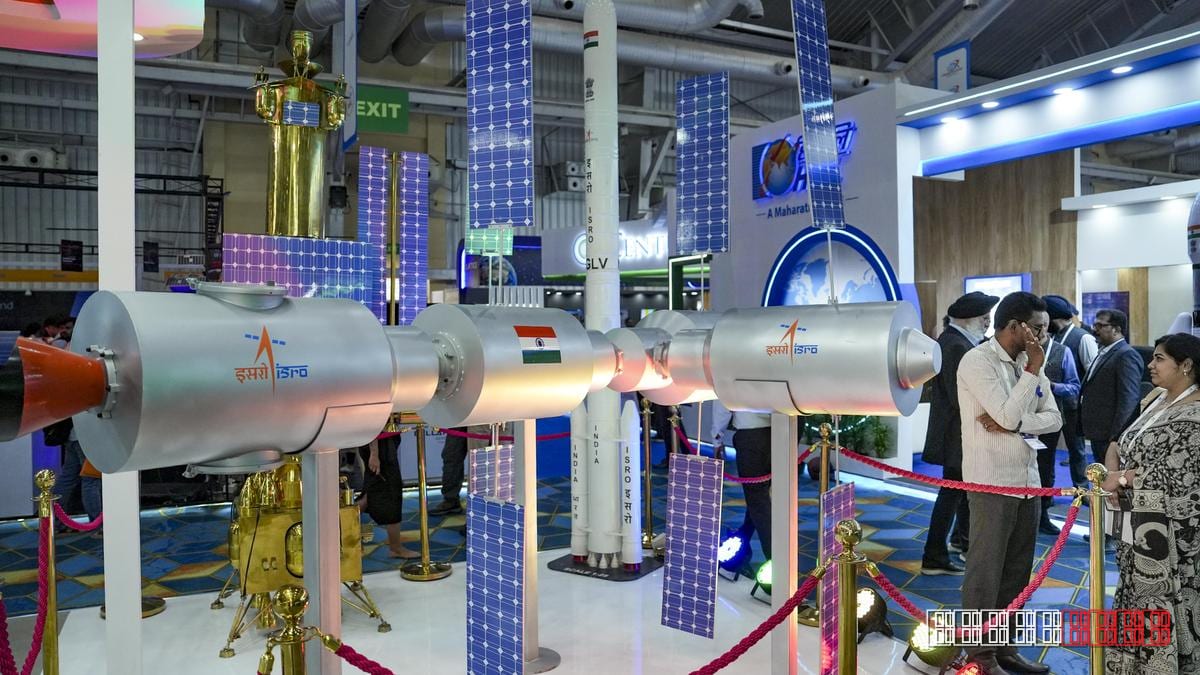
Washington – In a recent briefing, India’s ambassador to the United States, Taranjit Singh Gor, told reporters that the bilateral space relationship is evolving from simple cooperation to what he described as “co‑creation.” According to The Hindu, Gor highlighted that joint projects are moving beyond data sharing to shared design, development and testing of next‑generation spacecraft and satellite systems.
The shift reflects a broader strategic alignment. Over the past two decades, NASA and the Indian Space Research Organisation (ISRO) have partnered on a series of scientific missions, including the 2015 joint study of the Moon’s surface and the upcoming NISAR Earth‑observation satellite slated for launch in the mid‑2020s. Those collaborations have built trust and demonstrated complementary capabilities: NASA’s deep‑space expertise and ISRO’s cost‑effective launch services.
Gor emphasized that the new co‑creation model will see Indian engineers working side‑by‑side with American counterparts on hardware and software, rather than merely exchanging data after the fact. He cited the Artemis program as an example where Indian technology could contribute to lunar lander components, a prospect that would mark the first time an Indian firm participates directly in a U.S. crewed mission.
Background context The United States and India have long cultivated a space partnership rooted in mutual scientific interest and geopolitical considerations. After the 2005 U.S.–India Space Cooperation Agreement, the two agencies signed a 2016 framework to deepen collaboration on satellite navigation, Earth observation, and deep‑space exploration. More recently, the 2020 Artemis Accords opened a pathway for allied nations to cooperate on lunar exploration. India’s entry into the Accords in 2022 signaled its intent to move from a peripheral role to a more integral one. The co‑creation language used by Gor signals an operational leap, suggesting joint funding, shared intellectual property, and coordinated mission planning—steps that could accelerate technology transfer and reduce costs for both parties.
Industry analysts note that this approach may also benefit commercial players, as private firms in both countries could tap into a broader pool of research and development resources. For India, deeper involvement could bolster its emerging space‑tech sector, while the United States gains access to ISRO’s proven launch reliability and cost efficiencies.
The ambassador concluded by reaffirming that the partnership aligns with both nations’ goals of maintaining a free‑and‑open space environment and advancing scientific discovery for humanity.
The Hindu reported Gor’s comments during a press interaction in Washington on Tuesday.
This report is based on original reporting by The Hindu. Read the original source →