Anak Krakatau eruption forces mass flight cancellations at Jakarta hub
Ash from the volcano shut down hundreds of departures from Indonesia's busiest gateway, spilling over into Monday.
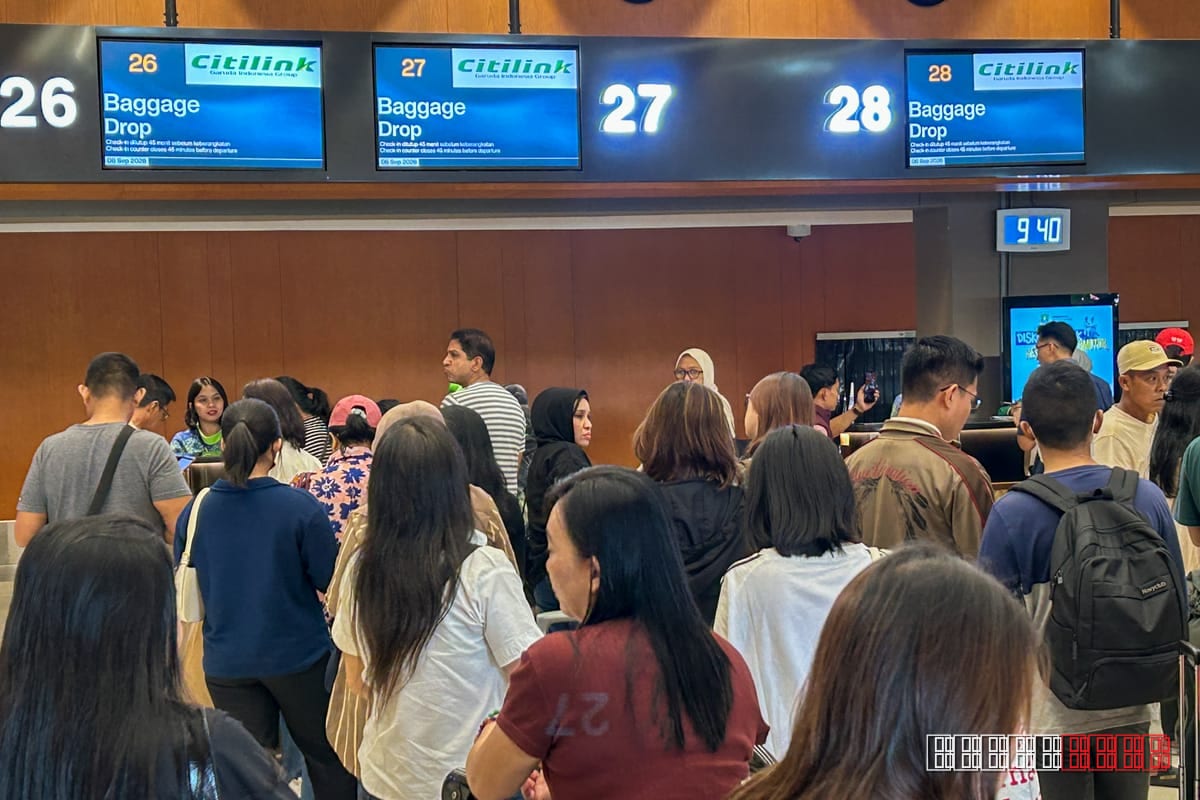
An eruption of Mount Anak Krakatau on Saturday sent a thick plume of ash over Jakarta, prompting authorities to halt operations at Soekarno‑Hatta International Airport – the second‑busiest airport in Southeast Asia. CNBC reported that the sudden shutdown affected more than 200 scheduled flights, with airlines scrambling to rebook passengers and reroute aircraft.
The disruption did not end with the initial closure. Flight cancellations continued into Monday, as ash concentrations remained above safety thresholds for jet engines. Major carriers, including Garuda Indonesia and several U.S. airlines that service Jakarta, announced further schedule adjustments, leaving thousands of travelers stranded or forced to seek alternative routes.
Airlines cited the need to protect aircraft from ash ingestion, a known hazard that can erode turbine blades and impair visibility. Passengers with connections to North America faced missed layovers, prompting travel insurers to field a surge in claims. Airport officials worked around the clock to clear ash from runways and restore normal operations, but the volatile nature of the plume meant that safe take‑off windows were limited.
Mount Anak Krakatau, part of the infamous Krakatoa volcanic complex, has a history of explosive activity. Its 2018 eruption triggered a deadly tsunami, and periodic ash emissions have long posed challenges for regional aviation. Volcanic ash clouds can drift hundreds of kilometers, and international aviation guidelines require strict monitoring to avoid engine damage. The latest event underscores why Indonesia, sitting on the Pacific “Ring of Fire,” maintains a network of volcano observatories that issue real‑time alerts to airlines and air traffic controllers.
The economic ripple effect extends beyond the airline industry. Jakarta’s airport handles a substantial share of Indonesia’s cargo traffic, linking manufacturers to global markets, including the United States. Disruptions can delay shipments of electronics, textiles, and agricultural products, adding cost pressures to supply chains already strained by recent freight bottlenecks. Experts say that improved forecasting and contingency planning will be crucial as climate change and tectonic activity continue to test the resilience of Southeast Asian transport hubs.
This report is based on original reporting by CNBC. Read the original source →