Andhra Pradesh Refuses to Defend Trans Law; Uttarakhand Backs Policy
The state says it had no role in amending the 2023 trans rights act, while Uttarakhand argues its version benefits the community.
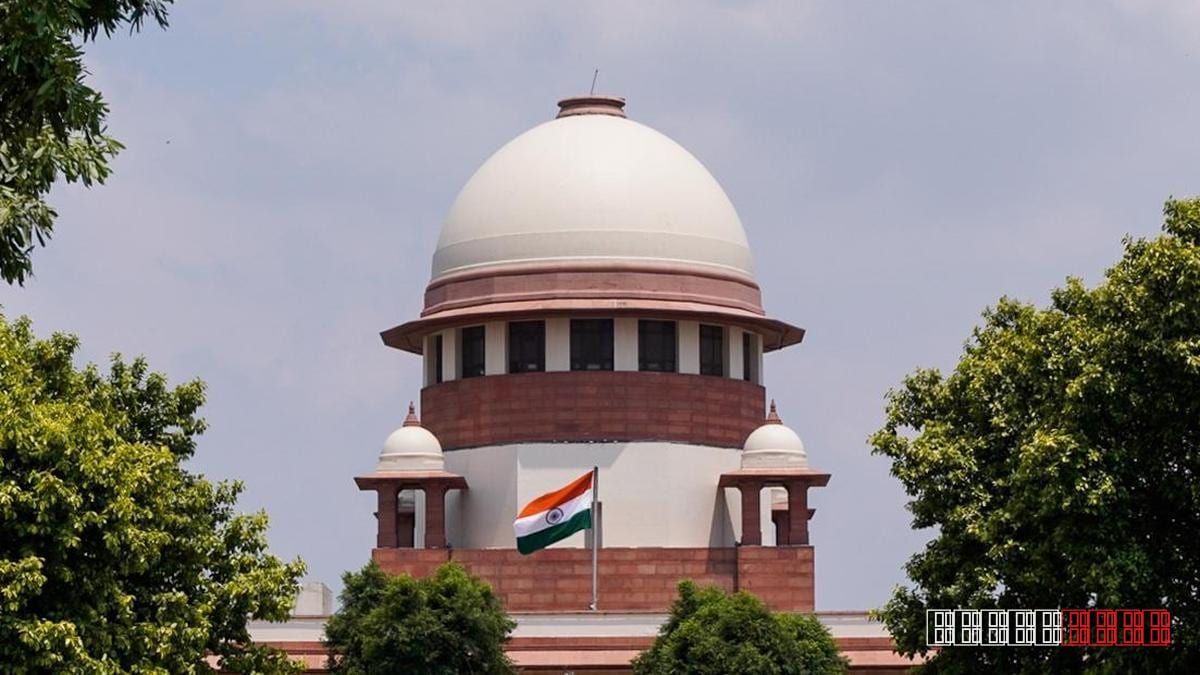
The Supreme Court heard arguments on a petition challenging recent amendments to India’s transgender rights legislation. Andhra Pradesh told the bench it was not involved in drafting the changes and therefore could not justify them, while the neighboring state of Uttarakhand asserted that its own version of the law serves the interests of transgender persons.
According to The Hindu, the Andhra government emphasized that the state had no legislative hand in the 2023 amendment to the Transgender Persons (Protection of Rights) Act and that it has not taken any action that discriminates against transgender individuals. The court’s registrar recorded the state’s refusal to “defend” the modifications, noting the lack of a direct role in their enactment.
Uttarakhand, on the other hand, presented a contrasting stance. The state’s counsel argued that the amendments introduced in the state’s own trans‑rights ordinance are “beneficial” and aim to improve access to education, employment, and healthcare for the community. The Hindu reported that Uttarakhand’s submission highlighted specific provisions designed to address gaps left by the central act.
The dispute unfolds against a backdrop of evolving transgender rights in India. The original Transgender Persons (Protection of Rights) Act was passed in 2019, but it faced criticism for limiting self‑identification and for inadequate safeguards. In 2023, the central government introduced amendments intended to strengthen protections, prompting several states to adjust their own statutes. The Supreme Court has been approached by advocacy groups seeking clarification on the consistency of state‑level laws with the national framework.
Legal experts note that the outcome could set a precedent for how state governments align their policies with central legislation on gender identity. A ruling favoring Andhra Pradesh’s position might limit the court’s ability to scrutinize state amendments, while a decision supporting Uttarakhand’s arguments could encourage other states to adopt more progressive measures. For transgender citizens, the case carries practical implications for access to rights and services across the country.
The hearing is ongoing, and the Supreme Court is expected to issue its judgment later this year. Both states have indicated readiness to comply with any directives, underscoring the delicate balance between state autonomy and the nation’s commitment to safeguarding transgender rights.
This report is based on original reporting by The Hindu. Read the original source →