Anthropic chief urges slower AI progress, igniting debate among tech leaders and lawmakers
Dario Amodei’s recent essay calls for third‑party oversight, coordinated standards and new safeguards, prompting mixed reactions across the AI community and Capitol Hill.
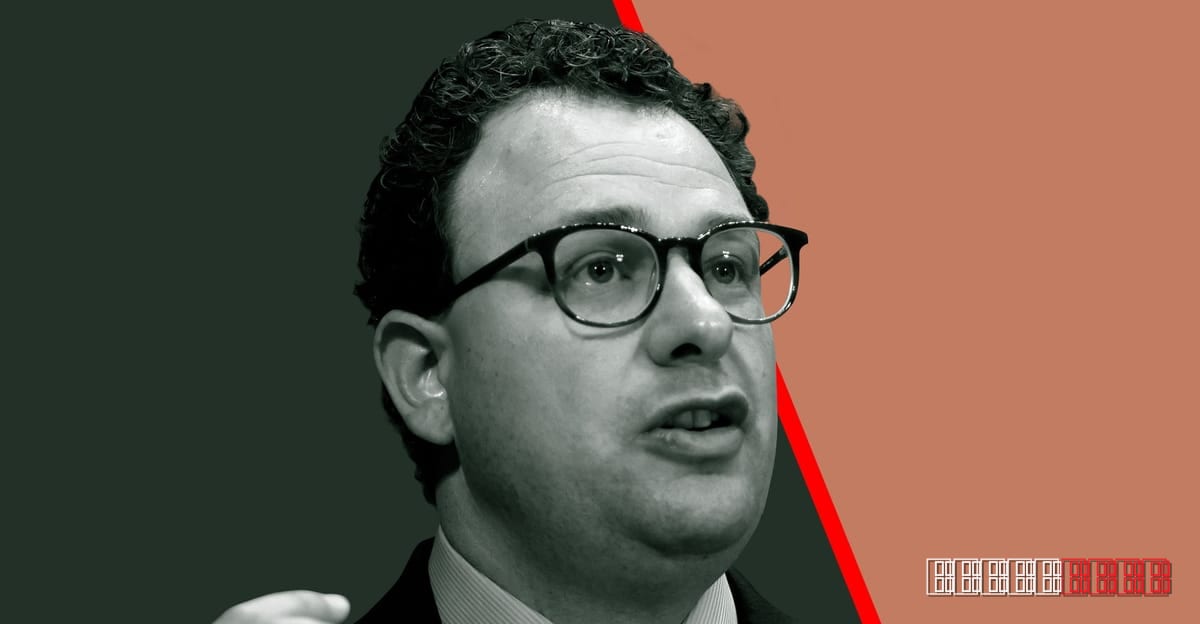
Dario Amodei, the chief executive of Anthropic, released a detailed essay titled We Must Pace the Frontier in which he argues that the rapid advance of frontier artificial‑intelligence systems should be deliberately slowed. The piece outlines three concrete measures: embedding independent evaluators within AI firms to audit safety practices, establishing a cooperative framework among leading AI companies in democratic nations to set shared standards, and creating mechanisms for transparent incident reporting. Amodei’s call, reported by The Verge, frames these steps as essential to keep the technology’s benefits in check while avoiding catastrophic outcomes.
The essay quickly drew responses from a spectrum of industry figures and politicians. Some executives, including leaders at OpenAI and Google DeepMind, echoed concerns about unchecked scaling and signaled openness to third‑party audits. Others, however, warned that overly restrictive measures could stifle innovation and competitiveness, especially as rival nations accelerate their own AI programs. In Washington, a handful of lawmakers expressed support for stronger oversight, while a separate group cautioned against legislation that might hamper U.S. leadership in the field, The Verge noted.
Amodei’s plea arrives amid a broader global conversation about AI safety that has intensified over the past year. High‑profile incidents—ranging from disinformation‑driven deepfakes to unexpected model behaviors—have prompted calls for tighter governance. The European Union is moving forward with its AI Act, and the United States is debating bipartisan bills that would fund safety research and establish a federal oversight body. Historically, the tech sector has resisted heavy regulation, arguing that market forces and internal ethics boards are sufficient, but the scale and potential impact of today’s models have shifted the calculus.
If the proposed safeguards gain traction, AI developers may need to allocate significant resources to external audits and cross‑company coordination, potentially slowing the rollout of new capabilities. Proponents argue that such friction is a worthwhile trade‑off for reduced risk of misuse, economic disruption, or unintended societal harm. Critics, meanwhile, fear that delays could cede strategic advantage to state‑backed programs in China or Russia, reshaping the competitive landscape.
The next weeks are likely to see a flurry of policy proposals, industry working groups, and public statements as stakeholders test the feasibility of Amodei’s three‑step framework. Whether the AI community coalesces around a unified safety agenda or fragments along geopolitical lines will shape the trajectory of frontier AI development for years to come.
This report is based on original reporting by The Verge. Read the original source →