Arm chief executive forecasts AI-driven cure for cancer within our lifetime
Rene Haas says artificial intelligence will eventually solve cancer, underscoring the chip maker's expanding role in health tech.
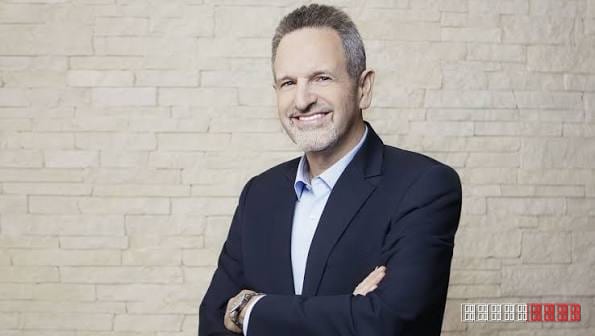
Arm Holdings’ chief executive Rene Haas told reporters that artificial intelligence is on track to deliver a cure for cancer before the current generation passes away. The statement, reported by BBC News, reflects growing confidence among technology leaders that AI‑powered tools can accelerate the discovery of effective therapies.
Arm, the UK‑based designer of microprocessor architectures that power most smartphones and an increasing share of data‑center servers, is positioning its chips as the backbone for the massive computational workloads required by modern AI models. By optimizing energy efficiency and scaling performance, Arm’s designs enable researchers to run complex simulations of protein structures, gene expression patterns, and drug‑target interactions far more quickly than traditional hardware.
The claim sits within a broader wave of optimism about AI in biomedicine. In 2022, DeepMind’s AlphaFold solved the protein‑folding problem, a breakthrough that has already informed the design of new enzymes and antibody therapies. More recently, AI platforms have identified existing drugs that could be repurposed for emerging diseases, shortening the time from lab to clinic. However, translating algorithmic predictions into approved medicines still faces regulatory hurdles, high development costs, and the need for extensive clinical testing.
Arm’s involvement goes beyond supplying silicon. The company has launched initiatives to collaborate with pharmaceutical firms, offering design‑for‑AI services that tailor processors for specific workloads such as molecular dynamics and generative chemistry. This partnership model mirrors similar moves by rivals like Nvidia, whose GPUs dominate AI training, but Arm’s focus on low‑power, scalable solutions could make advanced AI accessible to a wider range of research institutions.
While Haas’s optimism is buoyed by these technological advances, experts caution that a definitive cure for cancer remains a moving target. Cancer comprises dozens of distinct diseases, each with unique genetic and environmental drivers. AI may help untangle this complexity, but the path to a universal cure will likely involve a suite of targeted treatments rather than a single silver bullet.
Nevertheless, the CEO’s statement highlights a shifting perception: chips are no longer merely components of consumer electronics but are becoming critical infrastructure for life‑saving research. If AI does deliver a breakthrough, the credit may extend to the underlying hardware that makes such computation feasible.
This report is based on original reporting by BBC News. Read the original source →