Aurora aims for 30,000 autonomous trucks by 2030, CFO says goal is attainable
The self‑driving freight firm outlined a roadmap to deploy tens of thousands of driverless rigs within a decade, citing industry trends and internal progress.
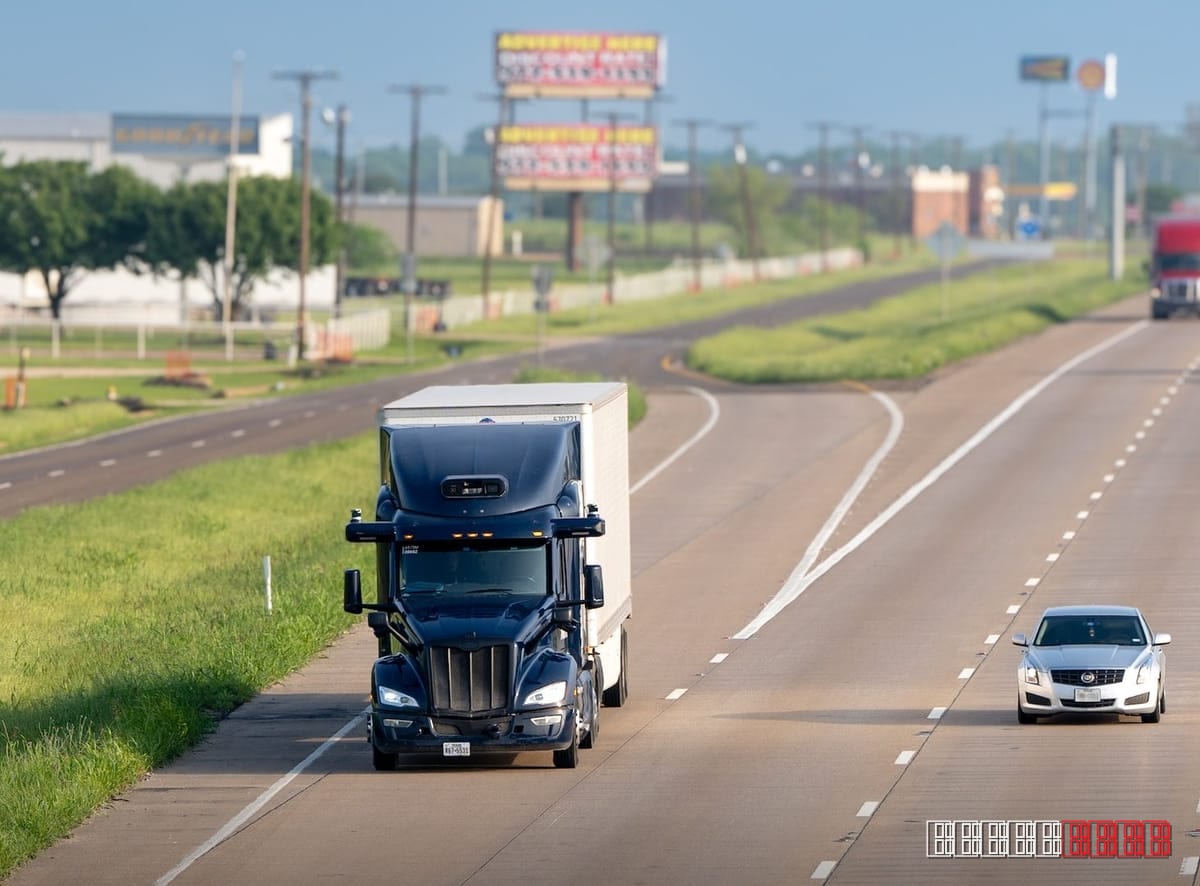
Aurora, a California‑based company that builds autonomous vehicle technology, unveiled an aggressive rollout plan for its self‑driving trucks. According to TechCrunch, the firm’s chief financial officer told investors that reaching a fleet of 30,000 driverless trucks by 2030 is “not as far‑fetched as it sounds.” The CFO emphasized that the target is grounded in the company’s current development milestones and the broader market’s appetite for automation.
The announcement comes as the logistics sector grapples with a persistent driver shortage and rising freight costs. Industry analysts estimate that the United States will need an additional 1.5 million truck drivers over the next decade, a gap that autonomous solutions aim to narrow. Aurora’s roadmap includes scaling its Aurora Driver system across multiple truck manufacturers, expanding testing zones, and securing the regulatory approvals required for full‑time, driver‑less operation on public highways.
Aurora’s history provides context for its confidence. Founded in 2017 by former executives of Google’s self‑driving unit, the company has secured partnerships with major carriers such as J.B. Hunt and has completed pilot programs in Arizona and Texas. Its technology stack combines lidar, radar, and high‑definition mapping to navigate complex freight corridors. While competitors like Waymo Via and TuSimple have also announced ambitious deployment targets, Aurora’s focus on a modular hardware suite and a subscription‑based software model differentiates its approach.
Regulatory hurdles remain a key variable. The U.S. Department of Transportation has been gradually issuing waivers that allow autonomous trucks to operate without a human safety driver under controlled conditions. Recent policy updates suggest a more permissive stance, but full nationwide deployment will still require state‑by‑state approvals and robust safety data. Aurora says it is already compiling the necessary performance metrics from its ongoing trials to satisfy these requirements.
If Aurora meets its 2030 goal, the impact on freight economics could be substantial. Driverless trucks promise lower labor costs, higher utilization rates, and reduced emissions through optimized routing. However, the transition will also affect the labor market and require new training programs for technicians who will maintain the autonomous fleets. Stakeholders across the supply chain are watching closely as Aurora moves from pilot projects to large‑scale commercial operations.
The company plans to release quarterly updates on its progress, with the next milestone expected in early 2025 when it aims to have 5,000 autonomous trucks in active service. Investors will likely gauge success by the speed at which Aurora can convert its testing data into reliable, revenue‑generating operations.
This report is based on original reporting by TechCrunch. Read the original source →