Avalanche on Manaslu kills Indian climber and Nepali guide
An Indian-origin mountaineer and his Nepalese guide lost their lives when an avalanche struck their team on Manaslu after other parties abandoned the summit attempt due to worsening weather, Times of India reported.
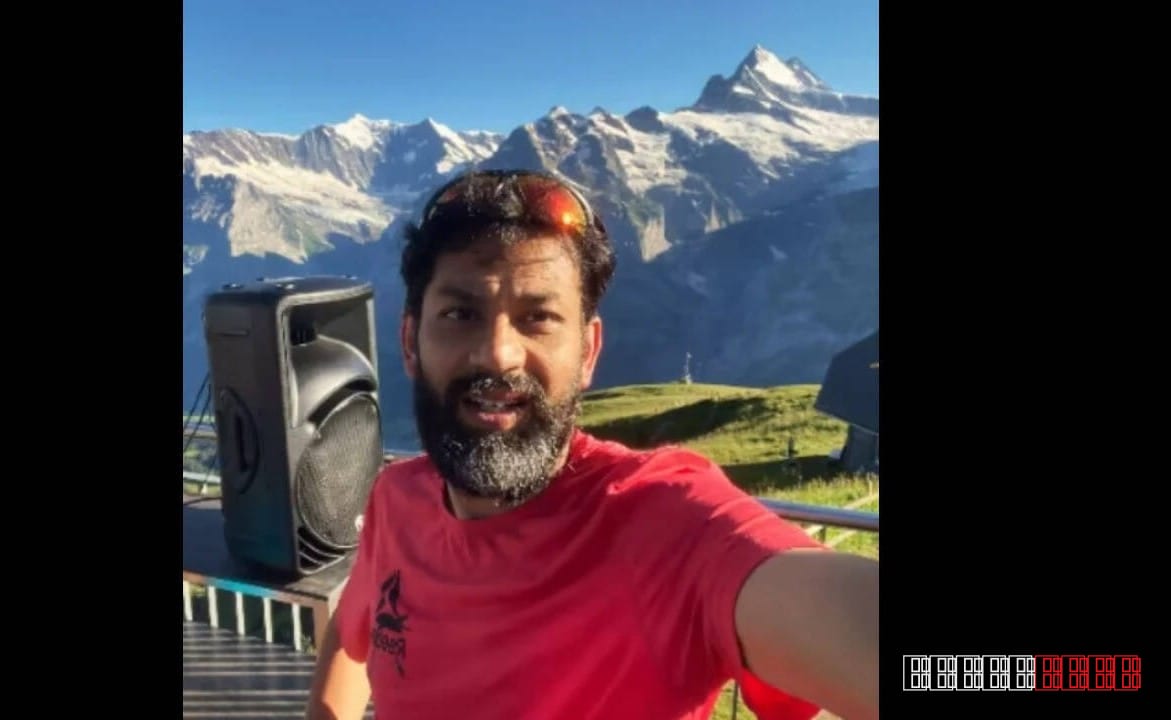
An Indian-origin climber and his Nepalese guide were killed when an avalanche swept their party on the north side of Manaslu, the world’s eighth‑highest peak, on Thursday. According to the Times of India, the two were part of a small expedition that pressed on toward the summit after several other teams turned back because of deteriorating weather conditions.
The avalanche hit as the climbers were navigating a steep ice field above 7,500 metres. The incident forced the remaining members of the group to retreat to a lower camp, where they confirmed the fatalities. Rescue teams were dispatched from the nearby base camp, but the remote location and ongoing snowstorm hampered immediate access to the site.
Manaslu, standing at 8,163 metres in the central Himalayas, is renowned for its technical routes and a relatively high incidence of avalanches, especially during the pre‑monsoon window of May and June. The mountain’s south‑west face, where the tragedy occurred, has seen several deadly slides in recent years, prompting Nepal’s tourism ministry to tighten permit regulations and urge climbers to carry advanced avalanche‑prediction equipment.
Indian mountaineers have a long history of tackling Nepal’s eight‑thousanders, often relying on experienced local guides who know the terrain intimately. The deceased climber, who held Indian citizenship but was of Indian origin, had previously summited several peaks above 6,000 metres. His guide, a seasoned Nepali Sherpa, had guided multiple international teams on Manaslu and other high‑altitude expeditions. Their partnership reflects the cross‑border collaboration that underpins much of the region’s adventure tourism.
The loss underscores the inherent danger of high‑altitude climbing, where weather can shift rapidly and rescue operations are logistically complex. Nepalese authorities typically mobilise helicopter units and ground crews for such emergencies, but thick cloud cover and the altitude limit the effectiveness of aerial rescues. The incident is likely to reignite discussions on improving safety protocols, including mandatory use of avalanche transceivers and stricter weather‑forecast assessments before summit bids.
This report is based on original reporting by Times of India. Read the original source →