Bangladesh conducts presidential vote after three‑decade hiatus
The nation’s first contested presidential election in 35 years pits BNP’s Mirza Fakhrul Islam Alamgir against former army officer Oli Ahmed.
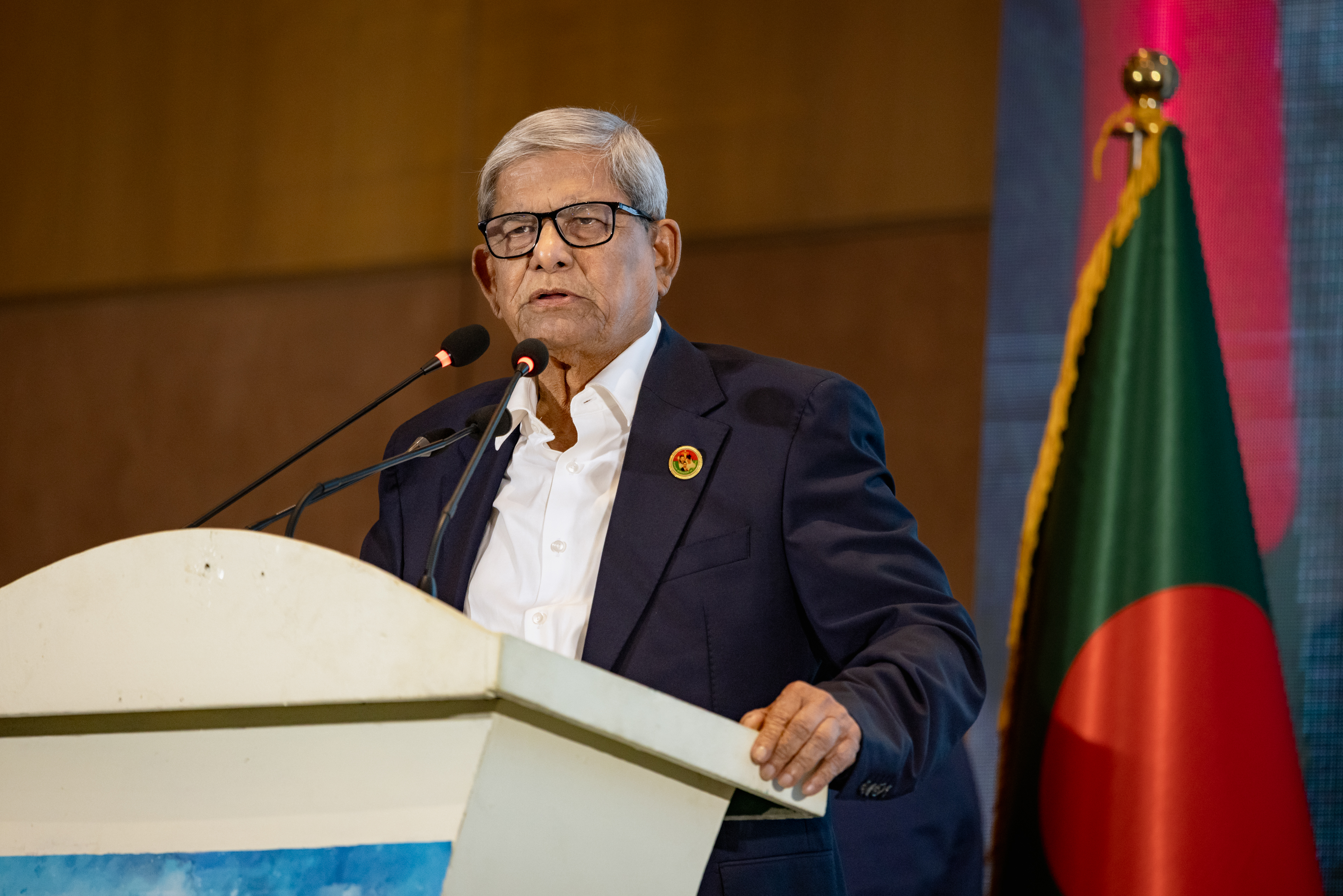
Bangladesh held a presidential election on August 20, 2026, marking the first time in 35 years that the office has been contested by more than one candidate. The unusual competition reflects growing political pluralism within the country’s parliamentary system, where the president is elected by members of the Jatiya Sangsad rather than by a popular vote.
Two figures emerged as the main challengers. Mirza Fakhrul Islam Alamgir, a senior leader of the Bangladesh Nationalist Party (BNP), announced his candidacy as the opposition’s standard‑bearer. The BNP, long the principal rival to the ruling Awami League, has positioned Alamgir as a seasoned politician capable of navigating the largely ceremonial role of president.
Opposing him is Oli Ahmed, a former army officer who secured the nomination of an 11‑party coalition headed by the Jamaat‑e‑Islami. Ahmed’s alliance brings together a spectrum of parties that have traditionally coordinated their parliamentary strategies, and his military background is highlighted as a credential for national unity.
The election follows a period of political tension, with opposition parties accusing the government of restricting fair competition in past polls. By opening the field to multiple candidates, the parliamentary vote is being watched as a barometer of Bangladesh’s democratic health. Observers note that while the president’s powers are largely symbolic, the office carries significant moral authority and can influence the political tone.
Parliamentarians cast their ballots in a secret vote, and the result is expected to be announced within days. Regardless of the outcome, the contested nature of the election underscores a shift from the routine, unopposed selections that characterized presidential races for more than three decades. The event may set a precedent for future contests and could reshape the balance of power among Bangladesh’s major political factions.