Bengaluru idol artisans weigh clay versus POP for Ganesh festival
Local craftsmen confront shifting demand and new regulations as Bangalore's Ganesh Chaturthi market pivots toward eco‑friendly materials.
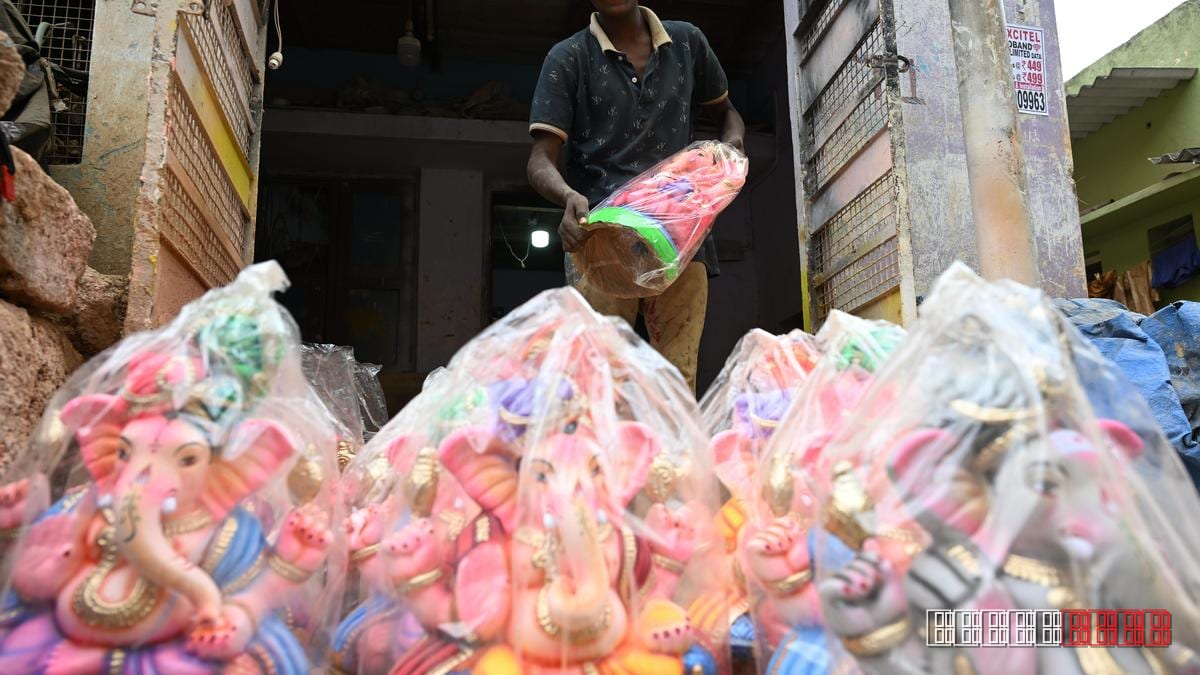
Bengaluru’s bustling streets are filling with rows of Ganesha idols, but sellers and artisans are caught between two very different materials. The Hindu reported that many traditional workshops, which have long relied on lightweight polymer‑based POP (polypropylene) figures, are now being urged to switch to clay after state officials highlighted the environmental toll of plastic waste during the Ganesh Chaturthi celebrations.
The Karnataka government’s recent directive, covered by The Hindu, asks retailers to prioritize clay idols that decompose quickly, aiming to curb the surge of non‑biodegradable debris that typically clogs the city’s drainage system after the immersion rituals. While the move aligns with broader national efforts to limit single‑use plastics, it places artisans in a precarious position: clay is heavier, more fragile, and often commands a lower price, whereas POP idols are cheaper to produce, easier to transport and have a longer shelf life.
Demand patterns are already shifting. Some vendors say customers are increasingly aware of the ecological impact and are willing to pay a modest premium for clay, but others note that a sizable segment still prefers the bright, glossy finish of POP figures. The Hindu highlighted that a handful of large‑scale manufacturers have begun retooling their production lines, yet smaller workshops lack the capital to invest in new moulds or acquire the raw clay needed for higher volumes.
Why the material debate matters
Ganesh Chaturthi, one of India’s most widely celebrated festivals, traditionally involves the immersion of idols in rivers, lakes or the sea. In recent years, the practice has generated massive amounts of plastic waste, prompting courts and environmental agencies to intervene. A 2022 Supreme Court ruling banned the use of non‑biodegradable idols in several states, setting a precedent that Karnataka is now reinforcing. The shift to clay is part of a broader push to protect urban waterways and reduce the burden on municipal waste management, especially as Bengaluru grapples with chronic water scarcity and flooding during monsoon months.
For craftsmen, the choice is not merely artistic but economic. Switching to clay could open access to government‑supported subsidies and certification schemes that label products as “eco‑friendly,” potentially attracting tourists and environmentally conscious buyers. Conversely, persisting with POP risks regulatory penalties and the loss of market share as retailers phase out plastic stock.
The Hindu’s coverage suggests the coming weeks will be decisive. As the festival approaches, both the state’s enforcement agencies and the idol‑making community will test how quickly the market can adapt to greener norms, and whether consumer preferences will ultimately tip the scale in favour of clay or POP.
This report is based on original reporting by The Hindu. Read the original source →