Bipartisan pushback mounts against Flock surveillance cameras ahead of midterms
Candidates from both parties are publicly challenging the rollout of Flock's AI‑driven cameras, warning of privacy erosion as the 2026 midterm race intensifies.
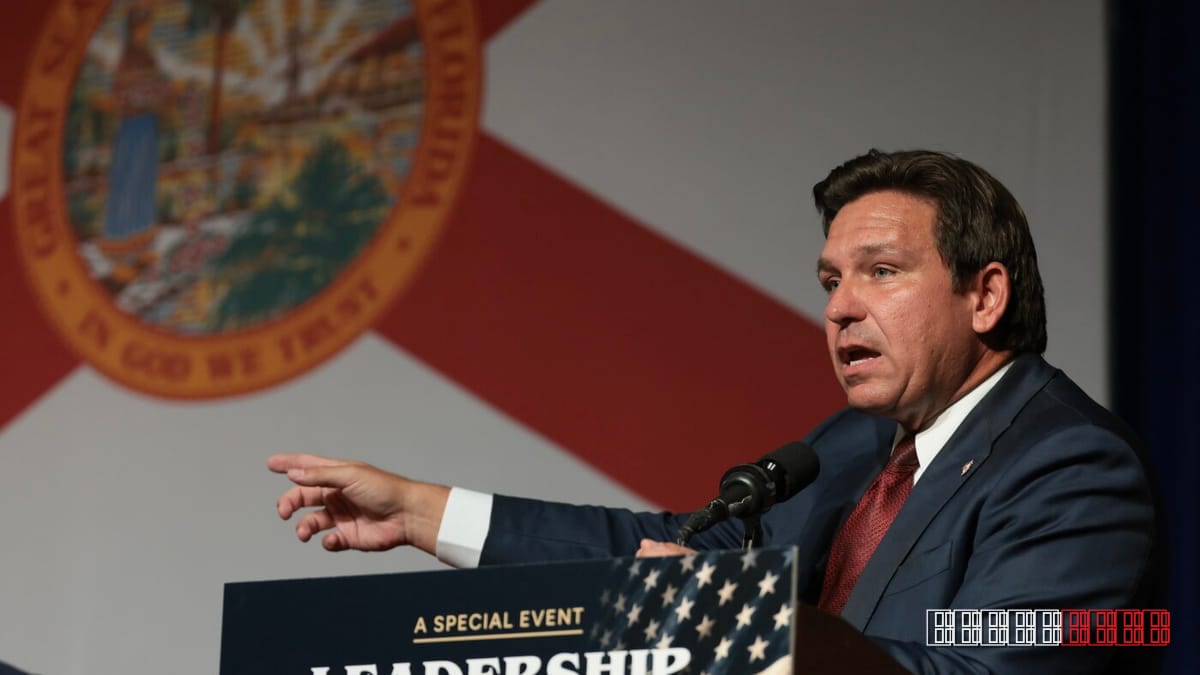
As the 2026 midterm elections draw nearer, a growing chorus of elected officials and challengers is taking aim at Flock, a company that markets AI‑enabled surveillance cameras to municipalities and private venues. NPR reported that candidates across the political aisle have begun to cite the devices as a threat to civil liberties, arguing that the technology could enable unwarranted tracking of citizens.
Republican legislators in several swing states have warned that the cameras could be weaponized for political profiling, while Democratic contenders have framed the issue as part of a broader fight against mass surveillance. Libertarian-leaning candidates have also entered the debate, emphasizing the need for strict limits on data collection. The bipartisan nature of the criticism is unusual for a technology product, underscoring how surveillance concerns have become a flashpoint in contemporary campaign rhetoric.
Flock’s cameras rely on facial‑recognition algorithms and real‑time analytics to identify individuals in public spaces. The company claims its systems help law‑enforcement agencies locate missing persons and deter crime, but privacy advocates argue that the same capabilities can be repurposed for political monitoring. According to NPR, the company has secured contracts in at least twelve U.S. cities, prompting local activists to demand greater transparency and oversight.
The current backlash fits into a longer national conversation about surveillance technology. Over the past decade, several states have enacted bans or moratoriums on facial‑recognition use by government agencies, citing concerns over bias and wrongful arrests. High‑profile incidents—such as the 2024 Capitol Police deployment of live‑feed cameras during protests—have heightened public wariness of any system that can track individuals without consent. As a result, lawmakers are increasingly scrutinizing contracts that involve AI‑driven monitoring, making the Flock debate a microcosm of a larger policy shift.
If the pressure continues, municipalities may face legal challenges or voter referenda that could stall or cancel existing Flock deployments. Political analysts suggest that the issue could become a litmus test for candidates’ stances on privacy, potentially influencing swing‑state outcomes. For voters, the controversy highlights the trade‑off between security promises and the erosion of anonymity in everyday life.
The unfolding dispute illustrates how emerging technologies can quickly become entangled in electoral politics, especially when they touch on fundamental rights. As the midterms approach, both parties appear poised to use the Flock controversy to rally constituents who fear that surveillance tools could outpace existing legal safeguards.
This report is based on original reporting by NPR. Read the original source →