BJP defends influencer payouts as Trinamool MLA alleges religious spin in Kolkata beef saga
The party says the payments to YouTubers and actors were lawful, while a Trinamool MLA claims they were meant to stoke communal tension ahead of the Bengal polls.
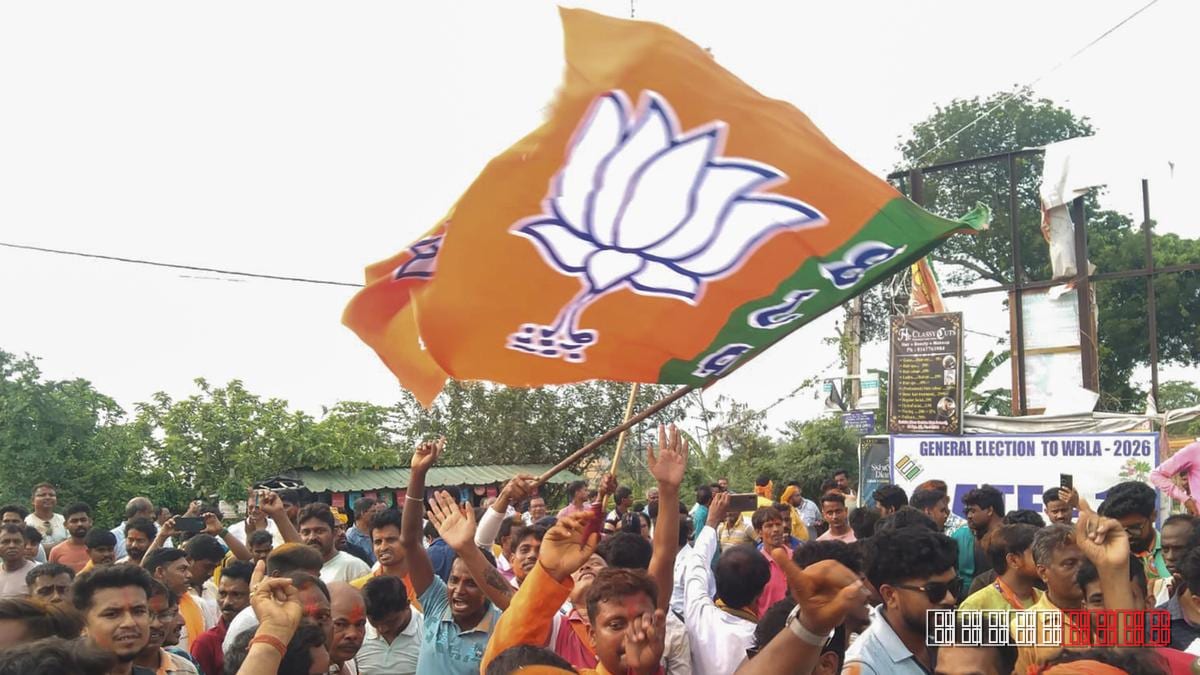
A controversy has erupted in Kolkata after a popular YouTuber was identified as the promoter of a restaurant that became the centre of a beef‑related dispute. The Hindu reported that several social‑media personalities, radio jockeys and film actors received payments that, according to Trinamool Congress MLA Kunal Ghosh, were financed by the Bharatiya Janata Party (BJP) during the 2021 West Bengal election campaign.
Ghosh alleged that the BJP used the restaurant episode to manufacture a narrative of religious polarisation, pointing to bank records that show transfers to the YouTuber and other influencers. He argued that the timing of the payments coincided with the party’s push to portray the state government as hostile to Hindu sentiments, a tactic he described as “political engineering”.
BJP state spokesperson Debjit Sarkar responded by rejecting the accusation. Citing the same source, he said the party “played by the book”, emphasizing that any financial support to media partners complied with election‑law norms. Sarkar added that the party routinely engages with digital creators to amplify its messages, but insisted that such collaborations are transparent and within legal limits.
The beef row taps into a long‑standing flashpoint in West Bengal politics. Beef consumption is a cultural and legal flashpoint across several Indian states, and in recent years the BJP has foregrounded the issue to rally its Hindu base, especially in states where the party seeks to make inroads. In the 2021 Bengal polls, the BJP intensified its digital outreach, employing YouTubers, regional influencers and film personalities to reach younger voters. This strategy mirrors a broader national trend where political parties allocate funds to social‑media campaigns, blurring the line between advertising and political propaganda.
Analysts note that the episode underscores the growing scrutiny of campaign finance in India’s elections. While the Election Commission has guidelines on third‑party spending, enforcement remains uneven, and parties often rely on indirect channels to fund content creators. The dispute may prompt calls for clearer disclosure norms, especially as digital platforms become pivotal battlegrounds for political messaging.
The controversy remains unresolved, with both sides vowing to present further evidence. For now, the incident highlights the complex interplay between religion, media, and electoral politics in a state where every vote counts.
This report is based on original reporting by The Hindu. Read the original source →