BJP slams Swara Bhasker for Padmaavat remarks on historic Jauhar practice
The ruling party rebuked the actress after she said she would feel cowardly not committing self‑immolation portrayed in the film.
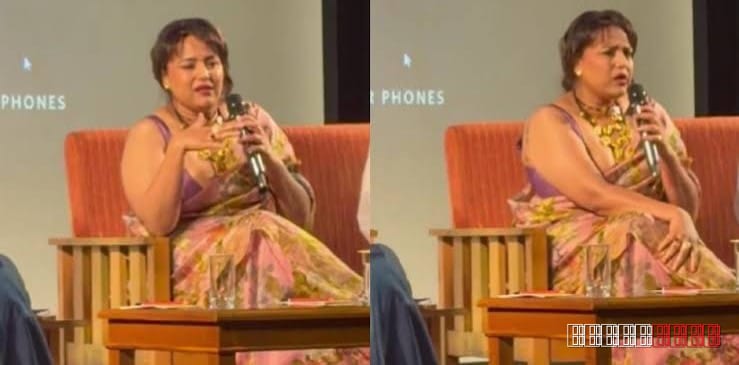
Swara Bhasker, known for both her film work and outspoken activism, faced sharp criticism from the Bharatiya Janata Party (BJP) after commenting on a scene from the 2018 historical drama Padmaavat. During a recent public forum, the actress said that the tradition of jauhar—the mass self‑immolation of women depicted in the movie—would make her feel like a coward if she did not kill herself to “save my honour.” NDTV reported her exact words, noting the emotional weight she attached to the practice.
In response, a BJP spokesperson issued a statement urging the actress to “respect other women,” implying that her remarks were disrespectful to the cultural heritage portrayed in the film. The party’s brief but pointed reply highlighted its ongoing effort to defend traditional narratives that it says are under attack from liberal commentators.
Padmaavat has been a flashpoint in Indian cinema since its release, sparking protests from Rajput groups who claimed the film distorted historical facts and dishonoured their community. The controversy intensified when the film’s depiction of jauhar—a practice historically associated with Rajput women choosing death over capture—was portrayed on screen. While some scholars argue the scene reflects a tragic facet of history, others view it as a glorification of patriarchal sacrifice. Swara’s comment entered this heated debate, linking personal moral judgment to a centuries‑old custom.
The BJP’s reaction fits a broader pattern of the party confronting cultural criticism. Over the past few years, it has routinely defended films and literary works it deems “anti‑national,” often framing dissent as an affront to Indian values. Critics argue that such stances can stifle nuanced discussion about women’s agency and historical representation. Nonetheless, party officials maintain that protecting cultural symbols is essential for national cohesion.
Social media users have already taken sides, with some praising Bhasker for challenging a patriarchal narrative and others echoing the BJP’s call for respect toward traditional practices. The episode underscores the delicate balance Indian public figures must strike when commenting on historical subjects that remain emotionally charged for large sections of the population.
As the debate unfolds, it is likely to reappear in upcoming cultural forums and may influence how future films address sensitive historical themes. Whether Swara Bhasker’s career will be affected remains uncertain, but the incident has reaffirmed the contentious intersection of art, politics, and gender in contemporary India.
This report is based on original reporting by NDTV. Read the original source →