Britain to block imports from Israeli settlements deemed illegal
Labour's foreign policy chief says the UK will tighten its stance on Israel, targeting trade with settlements that breach international law.
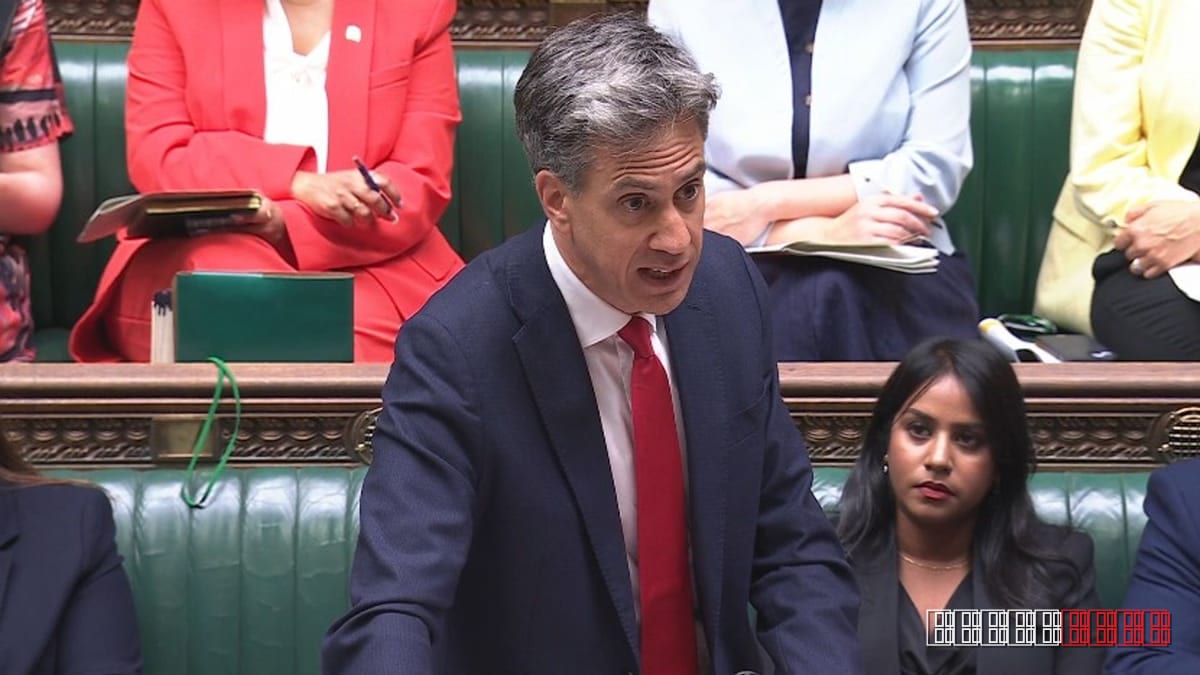
Ed Miliband, the Labour Party’s shadow foreign secretary, announced a "reset" of Britain’s policy toward Israel, pledging to prohibit trade with settlements the United Nations classifies as illegal. The move, detailed by Sky News, signals a shift from the current government’s more cautious approach and aligns the UK with a growing cohort of nations that have taken a firmer line on the issue.
Miliband said the decision reflects the UK’s commitment to uphold international law and to ensure that British taxpayers do not indirectly support activities deemed contrary to United Nations resolutions. He added that the policy would be implemented through existing trade regulations, targeting goods produced in the West Bank settlements that are considered occupied territory.
The announcement comes as part of a broader Labour foreign policy review that seeks to balance support for Israel’s right to security with criticism of settlement expansion. According to Sky News, the party’s stance follows similar actions taken by the European Union, which in 2021 introduced a ban on products made in Israeli settlements, and by the United States, which has signaled a potential shift toward comparable measures under the current administration.
Historically, the United Kingdom has maintained a nuanced position on the Israeli‑Palestinian conflict, recognising Israel’s right to exist while condemning settlement activity as an obstacle to peace. The 2016 UK‑EU trade agreement, for instance, included clauses that allowed for the suspension of trade with territories not recognized under international law. Miliband’s proposal revives these provisions, aiming to pressure Israel to halt settlement growth, which the United Nations and many international bodies view as a violation of the Fourth Geneva Convention.
Critics argue that the policy could strain diplomatic ties with Israel and complicate trade relations, especially for British businesses operating in the region. However, supporters contend that it reinforces the UK’s moral standing and aligns its foreign policy with the principles of international human rights law. The Labour Party has indicated that the measure will be accompanied by diplomatic engagement aimed at fostering a two‑state solution.
If enacted, the ban would affect a range of products, from agricultural goods to manufactured items, that originate from the disputed settlements. The government will likely set up a monitoring mechanism to verify the provenance of imports, mirroring the EU’s certification system. The policy is expected to be debated in Parliament, where opposition parties may weigh in on its economic and geopolitical implications.
The development underscores a growing trend among Western nations to leverage trade policy as a tool for addressing contested geopolitical issues, reflecting a broader reassessment of how economic levers can be used to promote compliance with international norms.
This report is based on original reporting by Sky News. Read the original source →