Chhattisgarh churches post warning signs as new anti-conversion law begins
Churches in the state are displaying notices urging non‑Christians to enter at their own risk following the enactment of the Chhattisgarh Freedom of Religion Act, 2026.
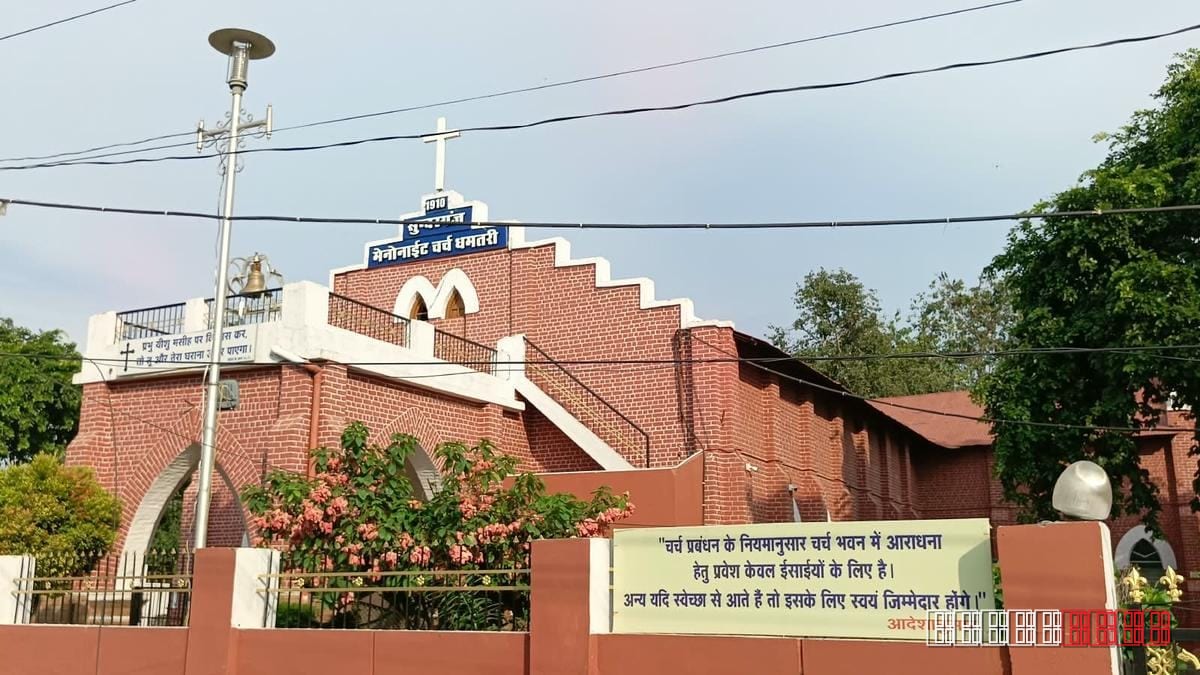
Churches across Chhattisgarh have begun hanging warning signs that advise non‑Christians to "enter at their own risk," a precautionary step aimed at avoiding prosecution under the state’s newly‑enforced Freedom of Religion Act, 2026. Diamond Philus, general secretary of the Dhamtari District Christian Forum, told The Hindu that the boards are intended to alert visitors that any perceived violation of the law could trigger legal action.
The Freedom of Religion Act, which came into force this month, criminalises conversions that are deemed to be induced by force, fraud, or inducement. Penalties include fines and imprisonment of up to three years for individuals and up to five years for organized groups. The legislation also requires religious organisations to obtain prior permission before conducting any public preaching or mass gatherings, a provision that has raised concerns among minority faith communities.
Christian leaders across the state have expressed alarm at the law’s broad language. In addition to the Dhamtari District Christian Forum, several dioceses have reported that clergy are now reviewing event calendars and scaling back outreach programs to stay within the legal framework. Similar measures have been observed in other states that have passed comparable statutes, such as Uttar Pradesh and Gujarat, where churches and temples alike have installed comparable notices.
India’s anti‑conversion statutes have a contentious history. While proponents argue they protect vulnerable populations from coercive proselytising, human‑rights groups contend the laws are used to curb the religious freedoms of minorities, particularly Christians and Muslims. The Supreme Court’s 2021 judgment on the Karnataka anti‑conversion bill highlighted the delicate balance between preventing forced conversions and upholding constitutional guarantees of free worship. Legal experts predict that the Chhattisgarh law will likely face challenges in higher courts, as activists prepare petitions alleging it infringes on fundamental rights.
The immediate impact of the warning signs is a chilling effect on inter‑faith interaction. Congregants who wish to attend services or community events may now hesitate, fearing legal repercussions. Observers note that the law could also affect charitable activities run by churches, many of which provide education and health services in remote districts. As the situation unfolds, both state authorities and civil‑society groups are watching closely to see whether the legislation will stand up to judicial scrutiny or be amended in response to public outcry.
This report is based on original reporting by The Hindu. Read the original source →