China allocates $54 billion to shore up banks and insurers as shares dip
State-backed funding aims to strengthen capital buffers, yet market sentiment remains cautious, CNBC reports.
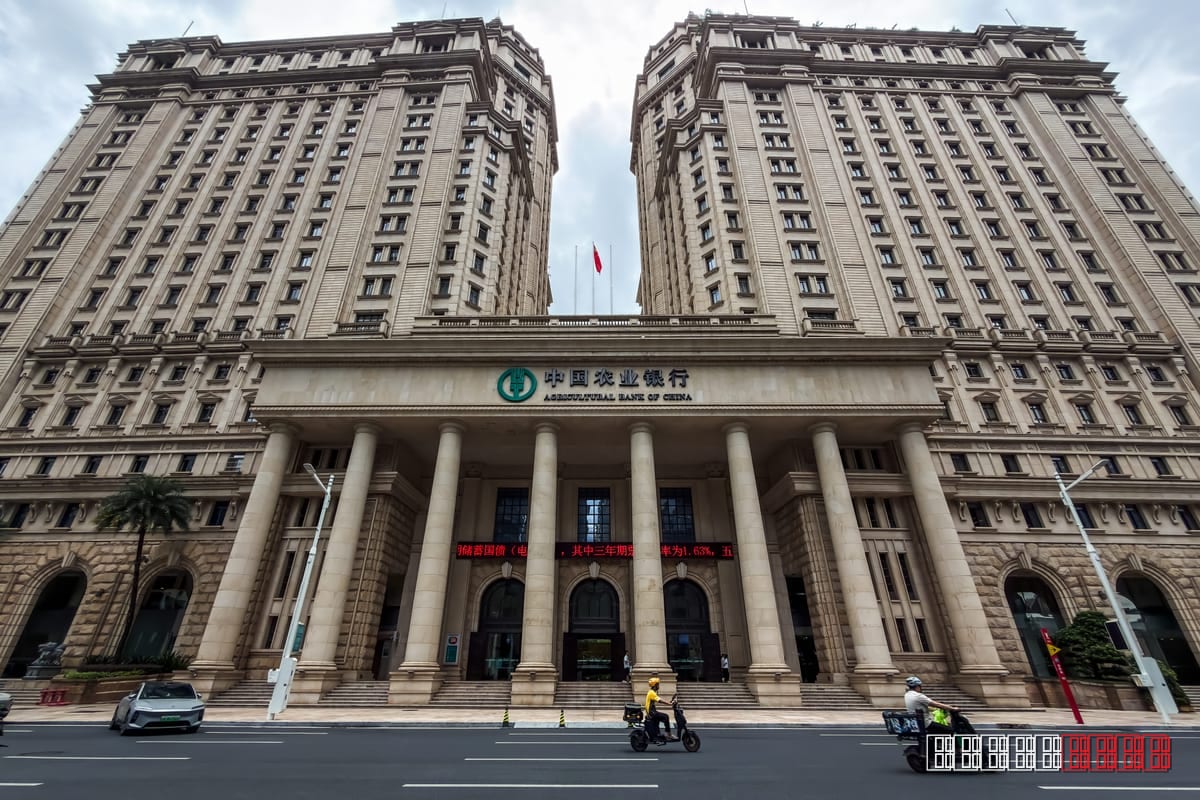
China’s government announced a fresh $54 billion capital injection for state‑owned banks and insurance firms, a move intended to boost solvency ratios and support the broader financial system. CNBC reported that the funds will be allocated through a combination of direct capital infusions and special lending facilities, giving the targeted institutions a larger cushion against potential losses.
Despite the sizable support, shares of the major banks and insurers fell on the news. Market participants appear skeptical that the injection alone will address deeper profitability concerns, particularly the narrowing net interest margins that have pressured earnings across the sector.
Analysts note that the capital boost comes at a time when Chinese banks are still grappling with the fallout from a prolonged property slowdown and tighter credit conditions. Over the past two years, many lenders have seen their net interest margins compress as loan growth slows and funding costs rise. The additional capital is expected to improve banks’ risk‑weighted asset ratios, but regulators may also press the institutions to channel more resources into capital‑market activities, such as bond underwriting and wealth‑management services, to diversify income streams.
The move reflects a broader policy trend in Beijing to reinforce the stability of the financial system after a series of high‑profile defaults and liquidity strains. Earlier this year, authorities tightened rules on shadow banking and increased scrutiny of insurers’ investment practices, aiming to curb systemic risk. By bolstering balance sheets, the state hopes to pre‑empt a credit crunch that could spill over into the real economy.
Investors, however, remain wary. The decline in stock prices suggests that market actors doubt the immediacy of any earnings uplift and are concerned about the longer‑term implications of a low‑margin environment. As Chinese firms continue to navigate a challenging global backdrop, the effectiveness of the capital injection will likely be judged by how quickly banks can restore profitability while maintaining robust capital buffers.
The injection underscores Beijing’s willingness to use state resources to stabilize key financial pillars, but it also highlights the delicate balance between providing support and encouraging market‑driven reforms. The coming months will reveal whether the additional capital translates into stronger credit growth and improved confidence among domestic and foreign investors.
This report is based on original reporting by CNBC. Read the original source →