China and the US vie for lead in humanoid robot development at Beijing conference
The World Robot Conference in Beijing showcased cutting‑edge humanoid machines, underscoring the growing competition between Chinese and American tech firms.
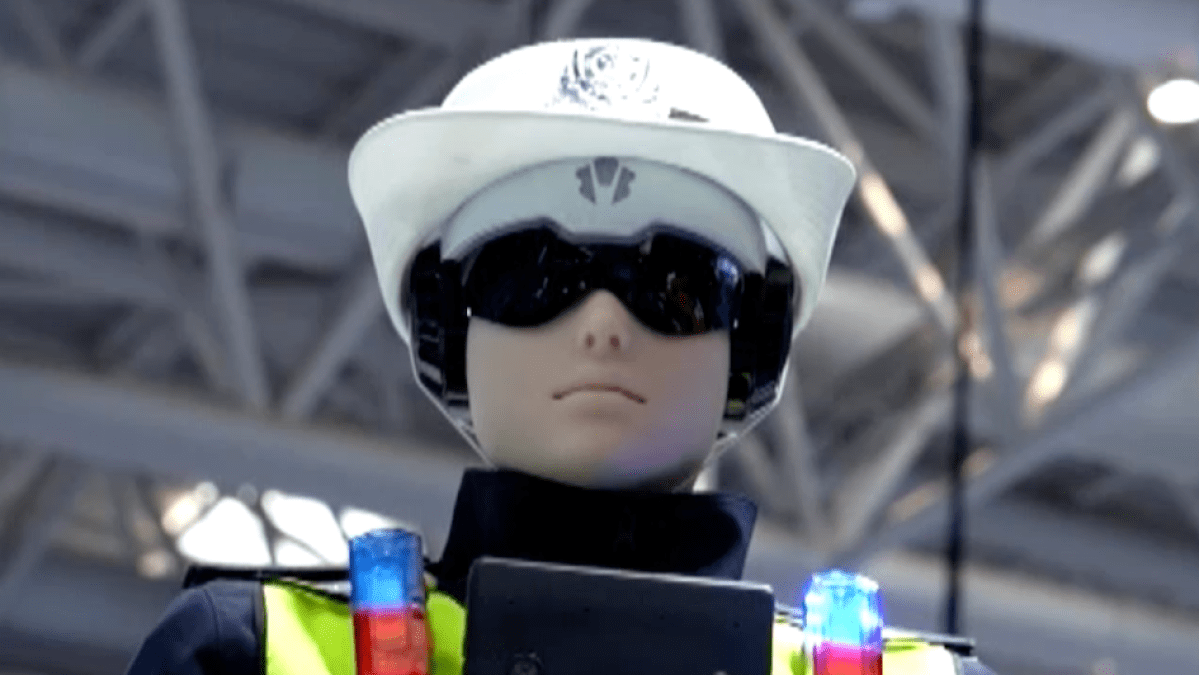
The annual World Robot Conference in Beijing turned its spotlight on humanoid robots, signalling that the field has become a benchmark of national technological prowess. Over the course of the three‑day event, a slate of Chinese companies unveiled new bipedal platforms capable of navigating complex environments, mimicking human gestures and interacting with people in real time. Demonstrations included robots that could lift objects, deliver items and respond to voice commands, highlighting strides in artificial intelligence, sensor integration and lightweight actuation.
Parallel to the domestic showcases, several U.S. firms maintained a presence, presenting their own humanoid prototypes that emphasized modular design and cloud‑linked learning. While the Chinese exhibits stressed rapid deployment for industrial and service sectors, the American entries highlighted adaptability for research and education. Observers noted that both sides are pushing the envelope on battery efficiency and balance control, areas that have traditionally limited robot autonomy.
Policy makers from both nations used the conference as a platform to articulate the strategic importance of robotics. Chinese officials framed humanoid development as a pillar of the country’s “intelligent manufacturing” agenda, linking it to broader goals of self‑reliance in high‑tech domains. U.S. representatives, meanwhile, emphasized the need for open standards and international collaboration to ensure that advances benefit a global market.
Analysts interpreting the event suggest that the visible rivalry over humanoid robots mirrors a larger contest for leadership in AI, automation and next‑generation manufacturing. The convergence of research, commercial investment and government backing at the Beijing venue underscores how quickly the technology is moving from laboratory prototypes to real‑world applications, from factories and hospitals to public spaces.
As the conference concluded, the message was clear: the race to perfect machines that walk, talk and work alongside humans is accelerating, with China and the United States locked in a high‑stakes competition that could shape the future of work and daily life worldwide.