China injects $54 billion into banks and insurers as shares slide
State-backed capital boost fails to lift financial stocks, prompting analysts to question the sector’s profit outlook.
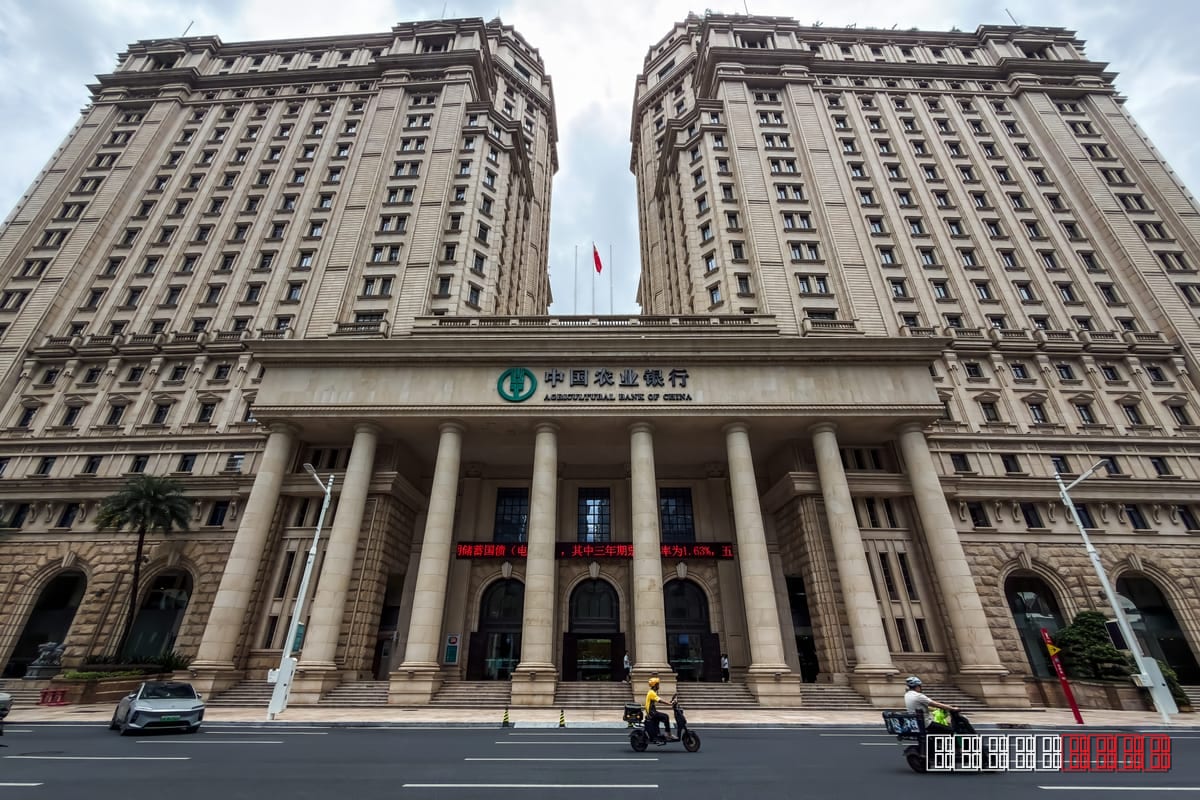
Beijing announced a fresh capital injection of roughly $54 billion for a group of state‑owned banks, lenders and insurers, aiming to shore up solvency and expand the sector’s capacity to fund market‑based projects. The move, detailed by CNBC, is the latest in a series of government measures to stabilize a financial system still reeling from a prolonged property slump and tightening global liquidity.
Despite the sizable cash infusion, the shares of the targeted institutions fell on the day of the announcement. Market participants cited lingering worries over shrinking net interest margins (NIM) and the potential for higher regulatory expectations. Analysts quoted by CNBC warned that a larger capital cushion does not automatically translate into stronger earnings, especially if banks are pressed to lower loan rates while insurers grapple with volatile investment returns.
The capital boost is part of a broader policy push that began in 2023 when Chinese regulators asked major banks to increase their core equity ratios. By the end of 2025, the combined capital reserves of the eight largest state‑run banks had risen by more than 10 percent, yet credit growth has slowed and loan‑to‑deposit ratios have edged lower. The latest injection is intended to give these institutions the flexibility to support infrastructure financing and green bond issuance, a priority for the government’s dual‑circulation strategy.
Historically, large capital infusions have been used to restore confidence after crises, such as the 2015 stock market tumble and the 2020 pandemic shock. However, the current environment differs: tighter monetary policy abroad is raising funding costs, while domestic demand for credit remains muted. As a result, investors are skeptical that the additional capital will boost profitability without accompanying reforms to improve asset quality and risk management.
The episode underscores a recurring tension in China’s financial policy: balancing stability with market discipline. While the state can provide liquidity, the sector’s long‑term health will depend on how banks and insurers deploy the funds, manage credit risk, and adapt to a slower‑growth economy. For now, the market’s reaction suggests that capital alone is insufficient to sway sentiment.
According to CNBC, the capital injection is expected to be completed by the end of the fourth quarter, with the Ministry of Finance overseeing the allocation to ensure that the funds reach institutions that meet strict solvency criteria.
This report is based on original reporting by CNBC. Read the original source →