China pledges to spearhead AI cooperation within BRICS bloc
President Xi Jinping announced China will lead artificial‑intelligence collaboration among BRICS members, aiming to boost tech ties in the developing world.
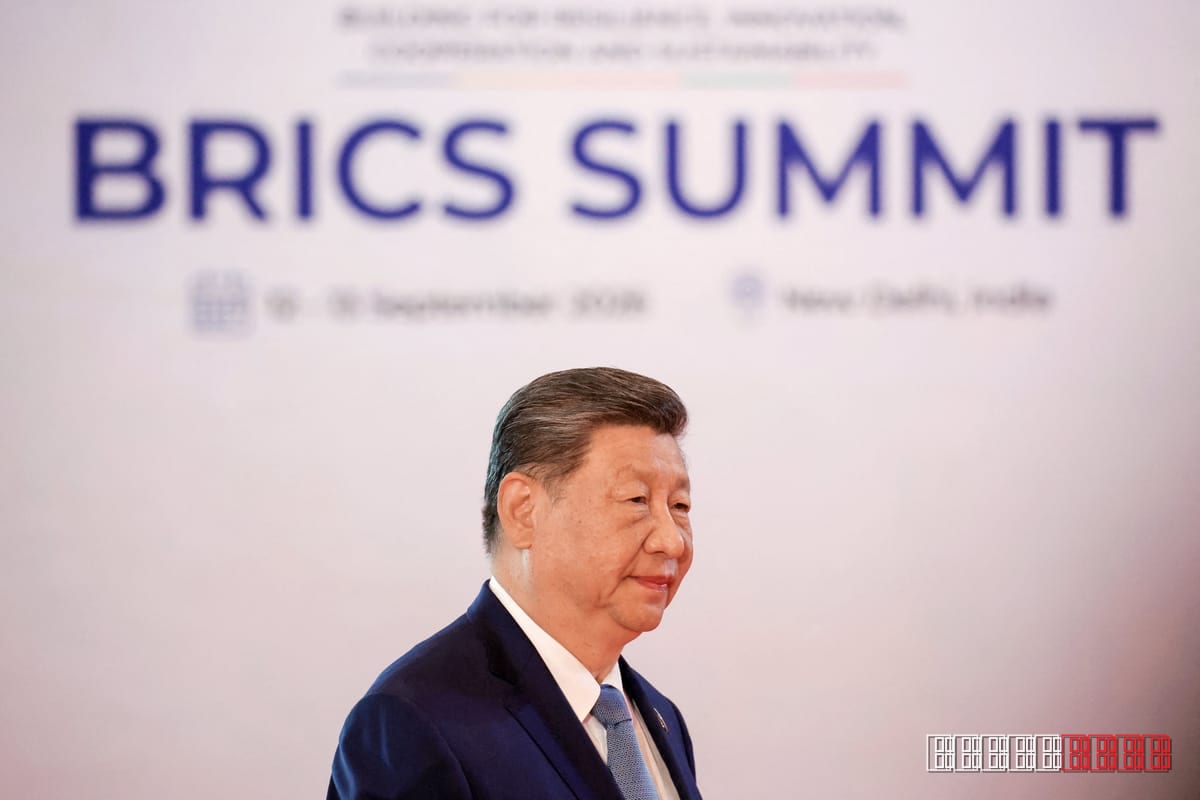
President Xi Jinping told delegates at a recent BRICS gathering that China intends to assume a leading role in fostering artificial‑intelligence (AI) cooperation across the bloc, CNBC reported. He emphasized that the initiative will focus on joint research, talent exchange and the development of shared standards, positioning China as a catalyst for tech progress among the five emerging economies.
The proposed framework could see Chinese firms partnering with counterparts in Brazil, Russia, India and South Africa on AI‑driven projects ranging from agriculture to healthcare. By offering access to its advanced cloud platforms and sizable data sets, China hopes to accelerate innovation in markets that have traditionally lagged behind the West in digital infrastructure.
BRICS, formed in 2009, has increasingly used its collective weight to challenge established global governance structures. In recent years the group has explored coordinated policies on finance, energy and, more recently, technology. The AI push follows earlier agreements on digital trade and a shared commitment to develop standards that reflect the interests of developing nations rather than those of the United States or Europe.
The move arrives amid intensifying U.S.–China rivalry over AI supremacy. Washington has warned that Beijing’s growing influence in the tech sector could reshape global norms and marginalize Western firms. By championing AI collaboration within BRICS, China aims to set technical benchmarks that may later become de‑facto international standards, thereby extending its strategic reach beyond its own borders.
Analysts note that while the proposal signals ambition, it also faces practical hurdles. Differences in regulatory environments, data‑privacy laws and levels of technological maturity among BRICS members could slow progress. Moreover, the United States has not publicly responded to Xi’s remarks, but policymakers are likely monitoring the development for potential implications on supply‑chain security and market access.
The next steps are expected to be outlined at the upcoming BRICS summit, where member states will negotiate the specifics of joint AI research programs and funding mechanisms. If successful, the initiative could reshape the competitive landscape of AI development, offering an alternative pathway for countries seeking to leapfrog traditional tech hubs.
This report is based on original reporting by CNBC. Read the original source →