China’s J-16 Jets Test Egyptian Rafales in Simulated Skirmish, Prompting Indian Interest
A joint drill saw Chinese J-16 fighters spar with Egyptian Rafales, giving Beijing rare exposure to Western aircraft and drawing close scrutiny from India.
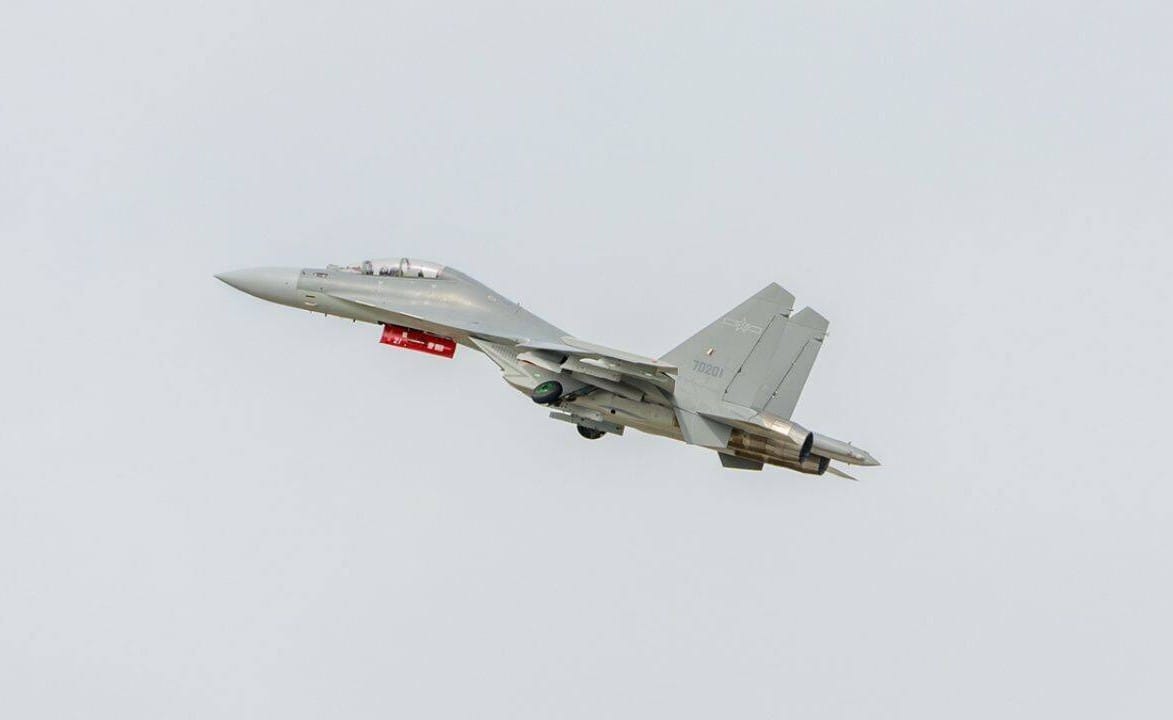
Chinese Air Force pilots flew their domestically‑produced J‑16 fighter jets against a squadron of French‑built Rafales operated by Egypt in a controlled air‑combat exercise. The maneuver, staged as a simulated dogfight, marked the first time the PLA has faced a Western‑designed multirole fighter in a realistic training scenario. Observers noted that the encounter allowed Beijing to gather performance data on the Rafale’s avionics, weapons handling and tactical employment, information that could prove valuable in future high‑intensity conflicts.
The exercise was conducted under the auspices of a bilateral training agreement between China and Egypt, with both sides emphasizing the drill’s role in enhancing mutual interoperability and pilot proficiency. While the Chinese side highlighted the opportunity to benchmark its own J‑16 against a proven export platform, analysts point out that the Rafale’s presence in the region also serves as a reference point for neighboring air forces, notably India, which has recently inducted a similar fleet.
India’s defense establishment is monitoring the development closely. The country finalized a multi‑billion‑dollar deal for 36 Rafale jets a few years ago and has been integrating the aircraft into its own squadrons. Any insight into how the Rafale performs against a modern Chinese fighter could inform Indian tactical planning and procurement decisions, especially as tensions persist along the contested Himalayan frontier.
Military experts suggest that the data China collected may influence future upgrades to the J‑16, including improvements to its radar and missile systems. Conversely, the exercise underscores the growing importance of joint training exercises that bring together disparate air‑power doctrines, offering both participants a clearer picture of potential adversaries’ capabilities.
Overall, the simulated clash serves as a reminder that the dynamics of aerial warfare are evolving, with nations seeking every possible edge through realistic drills and cross‑regional cooperation.