Colombian drone strikes surge as armed groups intensify aerial campaign
Drone attacks by rebel factions have more than doubled in early 2026, raising concerns for civilians caught in the conflict.
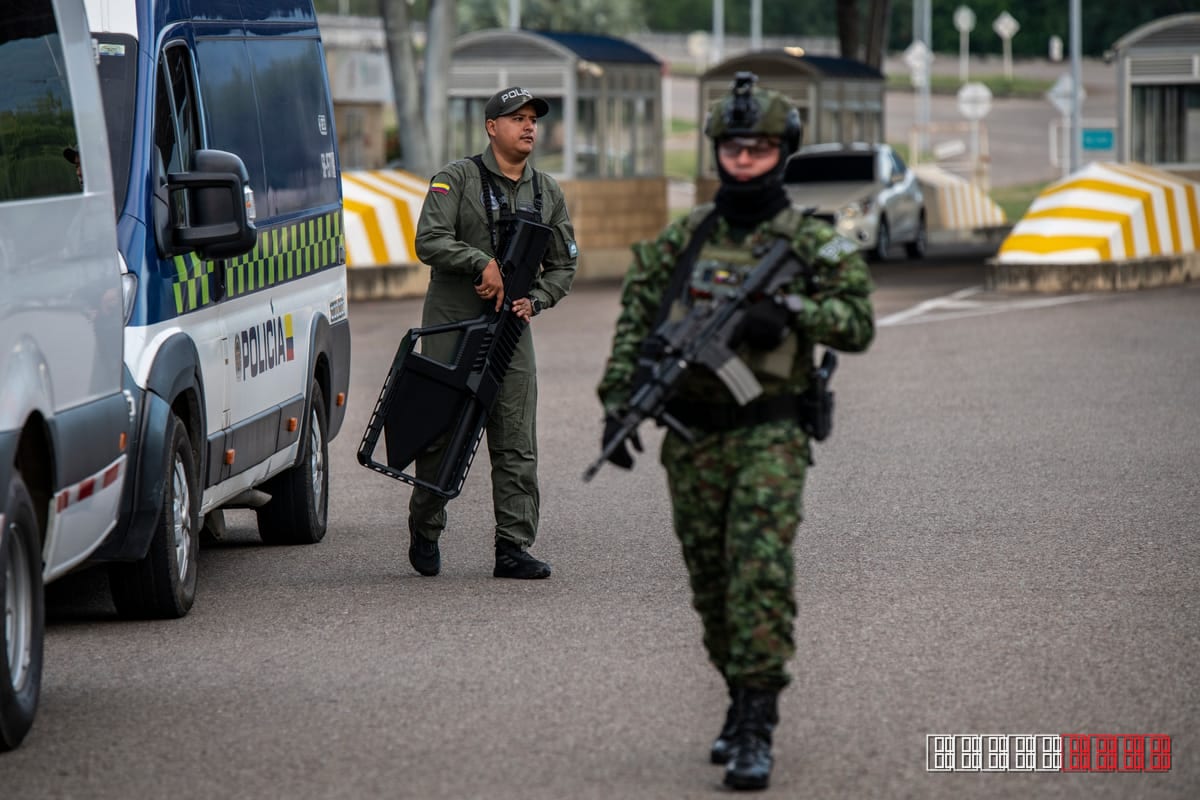
The first months of 2026 have seen a sharp rise in unmanned‑aircraft assaults carried out by Colombia’s armed factions, according to Al Jazeera. The outlet reported that the number of drone strikes recorded so far is more than twice the tally from the same period last year, indicating a rapid escalation in the use of this technology by both insurgents and government forces.
Civilian casualties have risen in tandem with the uptick in aerial attacks. Residents of rural municipalities in the departments of Arauca, Norte de Santander and Putumayo have reported hearing low‑flying drones dropping explosives, often targeting military convoys but sometimes striking nearby homes and farms. Local authorities have struggled to verify the exact death toll, but community leaders say the fear of random strikes is forcing families to abandon their fields and seek shelter in towns.
The surge follows a broader trend of militarisation of commercial drone platforms across Latin America. Over the past decade, inexpensive off‑the‑shelf quadcopters have become readily available, and armed groups have adapted them for reconnaissance and weapon delivery. The Colombian government has responded by deploying electronic‑warfare units to jam frequencies and by increasing patrols in known hotspots, yet the technology’s low cost and ease of use make it difficult to fully suppress.
Colombia’s internal conflict, which began in the 1960s, has traditionally been fought on the ground with guerrilla tactics and narcotics financing. The emergence of drones marks a new phase, allowing groups to strike from the air without risking pilots. Experts warn that this could prolong the conflict, as aerial capabilities give insurgents a strategic edge and complicate peace negotiations that have stalled in recent years.
Humanitarian organisations are calling for urgent measures to protect civilians, including the establishment of no‑fly zones over populated areas and the provision of early‑warning systems. As the government prepares to roll out a national drone‑registry and stricter export controls, the coming months will test whether policy can keep pace with the rapidly evolving battlefield.
This report is based on original reporting by Al Jazeera. Read the original source →