Community kitchens revive as potluck gatherings surge across the U.S.
A growing number of Americans are turning to shared‑meal events to rebuild social ties as busy schedules and remote work limit face‑to‑face interaction.
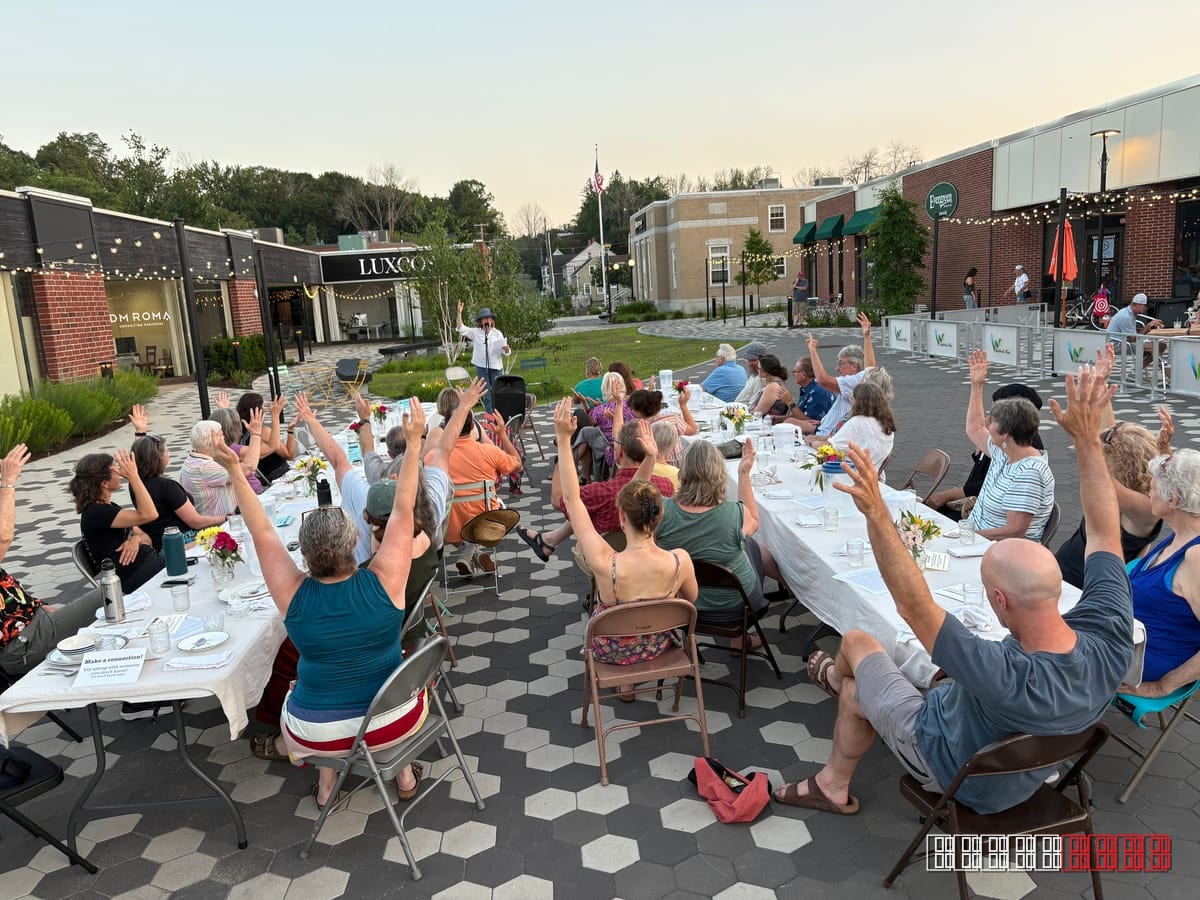
Americans are once again gathering around communal tables, with potluck parties experiencing a notable revival, Al Jazeera reported. Organisers ranging from neighborhood groups to corporate offices are inviting participants to bring a dish, creating a low‑cost, low‑effort way to reconnect in an era when many feel socially isolated.
The resurgence appears tied to several modern pressures. Remote work and the gig economy have fragmented traditional after‑work meet‑ups, while rising living costs make dining out a luxury for many families. By sharing home‑cooked food, hosts can host larger groups without bearing the full expense, and guests enjoy a variety of dishes without the need for extensive planning. Social‑media platforms such as Nextdoor and Facebook groups have also amplified invitations, turning spontaneous gatherings into organized community events.
Across the country, the trend is manifesting in diverse settings. Suburban cul‑de‑sacs host monthly potlucks where parents swap recipes for kid‑friendly meals, while urban co‑working spaces schedule weekly “bring‑your‑lunch” sessions to foster collaboration among freelancers. Churches and cultural centers report higher attendance at potluck‑style fundraisers, noting that the shared‑food format lowers barriers for newcomers and encourages a sense of belonging.
Potlucks are not a new invention; their roots trace back to communal feasts in early American settlements, where settlers pooled resources to ensure everyone had enough to eat. The practice flourished during the Great Depression and again in the post‑World War II era as a way to celebrate community milestones. However, the rise of fast‑food culture and the convenience of take‑out in the late 20th century led to a gradual decline in such gatherings. The current revival reflects a broader cultural shift toward valuing experiences over material consumption, and a renewed appreciation for grassroots social rituals.
Experts suggest that the potluck boom could have lasting effects on community health and cohesion. Shared meals have been linked to reduced feelings of loneliness and improved mental well‑being, while the act of cooking together can transmit culinary traditions across generations. As the United States continues to navigate the balance between digital connectivity and real‑world interaction, potluck parties may serve as a simple yet powerful tool for rebuilding the social fabric.
This report is based on original reporting by Al Jazeera. Read the original source →