Congress Reaffirms Two‑Stanza Vande Mataram Policy Amid BJP Criticism
The party’s working committee upheld its long‑standing rule to sing only the first two verses of the national song, prompting the BJP to label Congress a “Muslim League.”
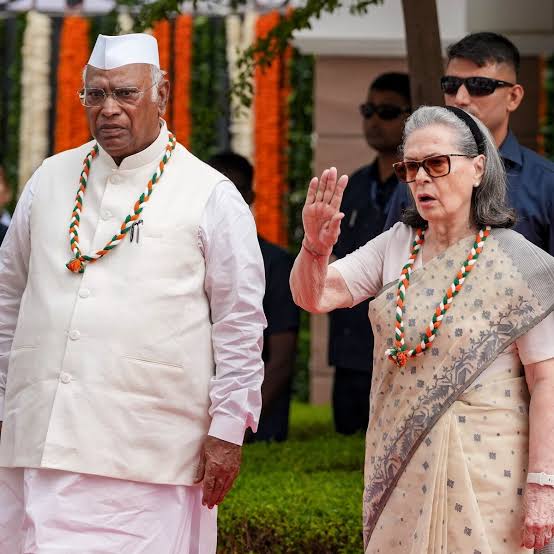
The Congress Working Committee met today and voted to continue a resolution first adopted in 1937 that limits the rendition of Vande Mataram at party functions to its opening two stanzas. The decision reasserts a practice the party has followed for decades, citing the verses’ broader acceptance across India’s diverse communities.
The move drew an immediate rebuke from the ruling Bharatiya Janata Party. BJP leaders questioned the Congress’s allegiance to the nation, describing the party’s stance as reminiscent of the pre‑independence “Muslim League.” Their remarks framed the two‑stanza policy as a test of patriotic loyalty, a narrative that has surfaced repeatedly in the broader debate over the national song.
Vande Mataram, composed by Bankim Chandra Chatterjee in the late 19th century, was adopted as India’s national song after independence. While the first two verses are officially recognized, the later verses have been contested by certain religious groups who view them as exclusionary. Over the years, political parties have navigated this sensitivity, with Congress traditionally opting for the abbreviated version to avoid alienating any segment of the electorate.
By reaffirming the 1937 resolution, Congress signals its intent to maintain a cautious approach that balances respect for the song’s historic significance with the need for communal harmony. The BJP’s sharp criticism underscores the continuing politicisation of cultural symbols in India’s parliamentary landscape.
Both parties are likely to keep the issue alive as elections approach, using the Vande Mataram debate to rally their respective bases while the public watches how cultural heritage intersects with contemporary politics.