Congress urges coalition partners to adopt two‑stanza version of Vande Mataram
The party asks allies to limit the national song to its first two verses amid ongoing cultural debates.
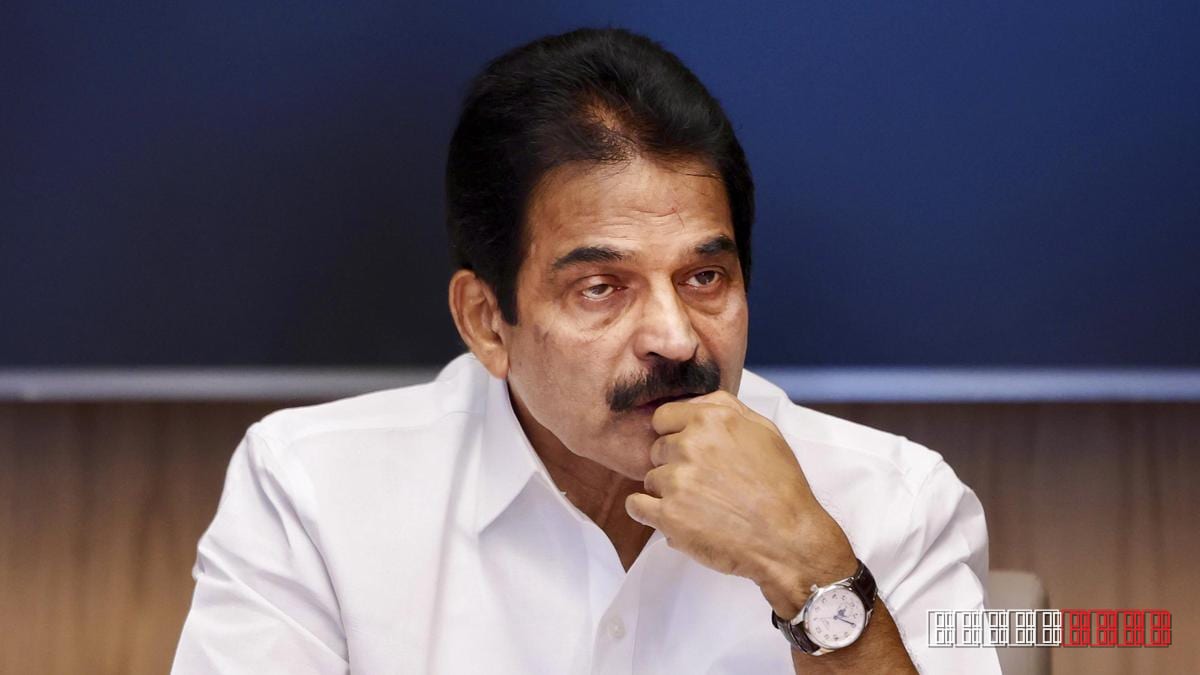
The Indian National Congress has called on its regional allies to confine the rendition of the national song, Vande Mataram, to only its first two stanzas, The Hindu reported. The appeal comes as the party seeks a unified stance ahead of the upcoming general elections, where cultural symbols are likely to feature prominently in campaign narratives.
Congress leaders argued that the two‑stanza version, which omits references to the Hindu goddess Durga, is more inclusive and less likely to provoke objections from minority communities. By standardising the version used at public events and official functions, the party hopes to sidestep the legal and political disputes that have surrounded the song for decades.
The request to allies follows a series of court rulings and parliamentary debates that have highlighted the contentious nature of Vande Mataram’s full text. While the first two verses are widely accepted and feature in school curricula, the later verses have been challenged for allegedly violating the secular ethos of the Constitution. Several state governments, including Karnataka and West Bengal, have already limited the song’s performance to the opening lines in schools and government offices.
Vande Mataram, originally a poem by Bankim Chandra Chatterjee published in 1882, was adopted as the national song after India’s independence. Its lyrical content, praising the motherland as a divine figure, has sparked periodic controversy, especially among Muslim groups who view the deity references as exclusionary. The Supreme Court, in a 1995 judgment, upheld the song’s status but allowed for the exclusion of verses that could offend religious sentiments. This legal backdrop has made the song a flashpoint in political discourse, with parties often using it to signal cultural alignment.
By urging a two‑stanza approach, Congress aims to present a moderate image that respects both nationalist sentiment and minority sensitivities. The move also signals to coalition partners that the party is willing to compromise on symbolic issues to maintain electoral cohesion. How allies respond could shape the broader narrative on cultural accommodation in India’s increasingly polarized political arena.
The Hindu noted that the party’s outreach to allies is part of a larger strategy to manage cultural flashpoints ahead of the election cycle, emphasizing the need for a “balanced and unifying” approach to national symbols.
This report is based on original reporting by The Hindu. Read the original source →