Dalit electorate reshapes Uttar Pradesh's political balance
A shift among Dalit voters is narrowing the BSP's dominance as the BJP makes inroads, especially among non‑Jatav groups.
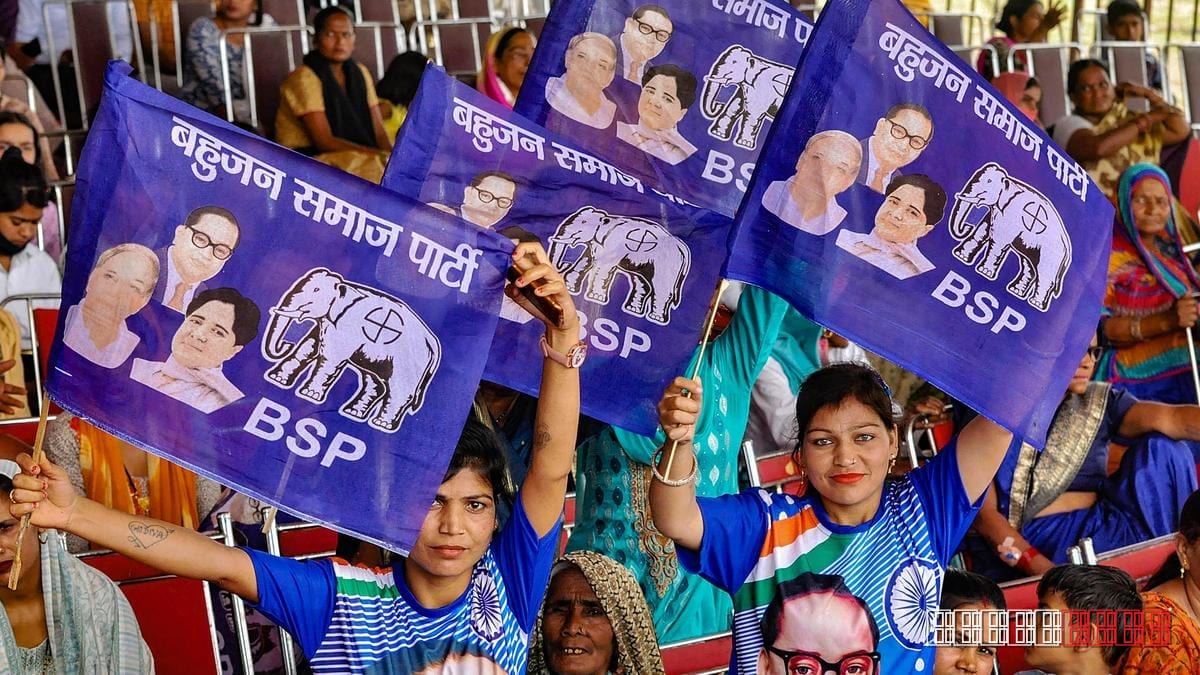
The Hindu reports that the Bahujan Samaj Party (BSP) continues to enjoy the largest share of Dalit votes in Uttar Pradesh, yet the Bharatiya Janata Party (BJP) is steadily expanding its appeal, notably among non‑Jatav Dalits. This emerging trend could alter the calculus of any future state election, where Dalit support has traditionally been a decisive factor.
Uttar Pradesh, India's most populous state, houses roughly 200 million people, with Dalits accounting for about 21 % of the electorate. Historically, the community has rallied behind the BSP, a party founded by former Chief Minister Mayawati that positioned itself as the political voice of the oppressed castes. The party’s stronghold has been the Jatav sub‑caste, which forms the core of its Dalit base.
In recent years, the BJP has pursued a two‑pronged strategy: courting upper‑caste voters while simultaneously reaching out to marginalized groups. According to The Hindu, the party’s outreach has resonated particularly with Dalits who do not identify as Jatavs, eroding the BSP’s monopoly over the broader Dalit electorate. While precise vote‑share figures remain under analysis, anecdotal reports from constituencies across western and eastern Uttar Pradesh suggest a noticeable uptick in BJP support among these voters.
The shift matters because Dalit votes have often been the swing factor in tightly contested contests. In the 2017 assembly elections, the BJP secured a landslide victory, yet its Dalit vote share lagged behind the BSP’s. If the current trend continues, the BJP could consolidate a more diverse coalition, potentially marginalising the BSP’s influence and reshaping policy priorities around Dalit welfare, land rights, and social justice.
Experts note that the evolving Dalit vote is part of a broader realignment in Indian caste politics. As economic aspirations rise and younger voters become less attached to traditional caste loyalties, parties are compelled to address issues like employment, education, and infrastructure rather than relying solely on identity politics. The outcome of this realignment will likely be reflected in the next state assembly polls, where both the BSP and BJP will vie for the decisive Dalit segment.
For now, the BSP remains the primary conduit for Dalit representation, but the BJP’s incremental gains among non‑Jatav Dalits signal a competitive environment that could redefine Uttar Pradesh’s political landscape.
This report is based on original reporting by The Hindu. Read the original source →