DHS Faces Lawsuit Over Secret Monitoring of Community Groups
Legal filings allege the agency infiltrated churches, libraries and labor unions, prompting privacy and civil‑rights concerns.
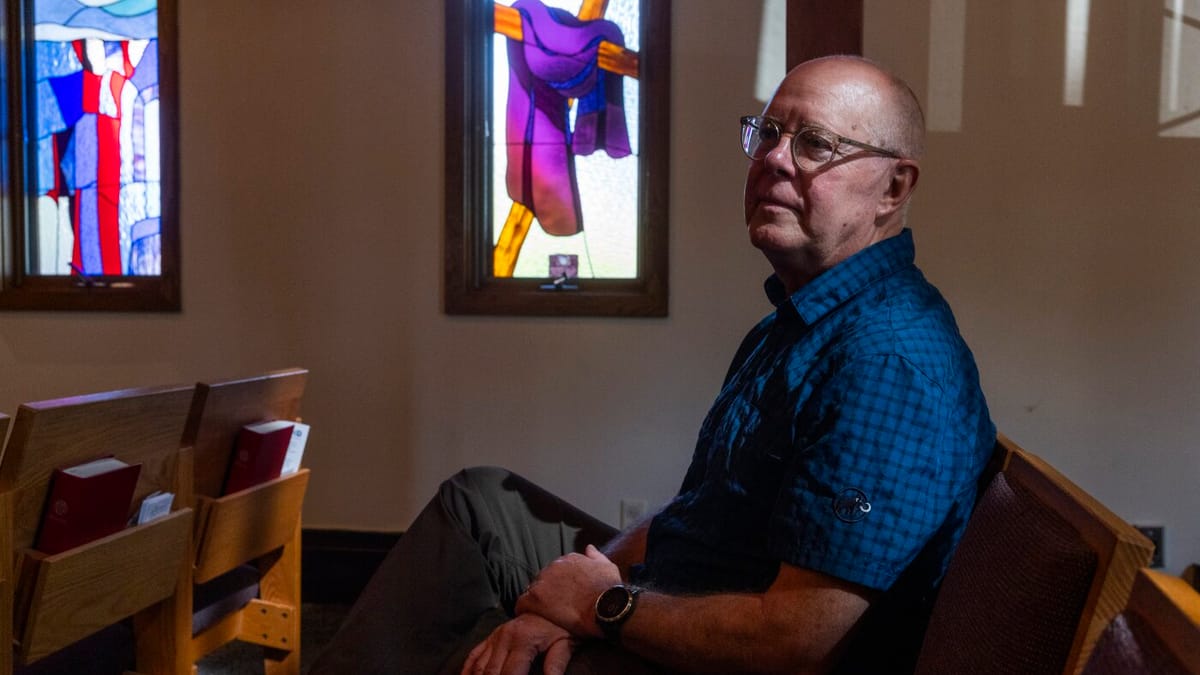
Court documents filed this week accuse the Department of Homeland Security of running a covert surveillance program that targeted a range of community institutions. According to the filings, DHS operatives posed as ordinary participants at public gatherings, ranging from church services to library events and local brewery meet‑ups, in order to collect information on attendees.
The alleged operation went beyond simple observation. Files claim the agency issued subpoenas to obtain the financial records of several labor unions, seeking details about contributions and expenditures. In one instance, investigators are said to have compiled detailed dossiers on individuals who attended a church gathering, cataloguing personal contacts, travel patterns and political affiliations.
Civil‑rights advocates have reacted strongly, warning that such tactics blur the line between national security and unlawful intrusion. A coalition of privacy groups filed a motion seeking an injunction to halt the surveillance and to compel the release of all records gathered under the program. Lawyers argue that the methods described in the filings violate constitutional protections against unreasonable searches and the statutory limits on the department’s investigative powers.
The controversy arrives amid ongoing scrutiny of DHS’s intelligence‑gathering authority. While the department is mandated to protect the nation from external threats, critics say its expanding remit has increasingly encroached on domestic activities that are traditionally outside the scope of federal security work. The court’s upcoming rulings will determine whether the agency must curtail the alleged practices and provide greater transparency about its surveillance activities.