DMK adopts age ceiling and term limits in broad party restructuring
The Dravida Munnetra Kazhagam approved nine resolutions aimed at overhauling its internal framework, including new age and tenure restrictions for leaders.
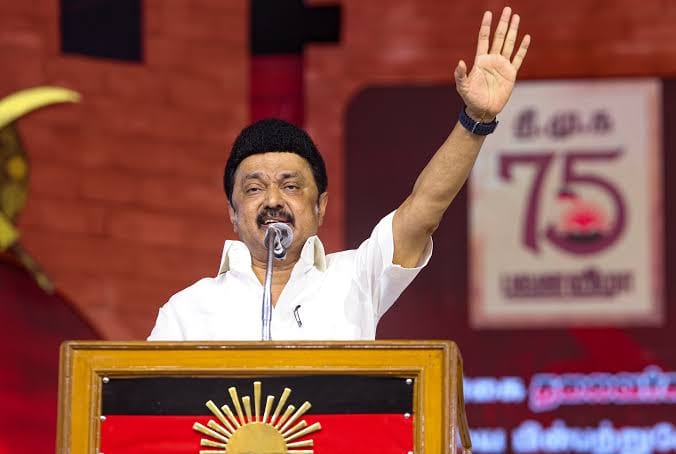
The Dravida Munnetra Kazhagam (DMK) concluded a high‑command meeting in Chennai with the adoption of nine resolutions designed to reshape the party’s internal machinery. Central to the package are two measures that have drawn immediate attention: an upper age limit for individuals holding key party positions and a two‑term cap that bars incumbents from occupying the same office beyond two consecutive terms.
The age ceiling, set at 70 years, is intended to inject fresh perspectives into the party’s leadership while ensuring that senior roles are not monopolised by a narrow age group. Complementing this, the term‑limit clause mandates that any office‑bearer who has served two successive terms must step aside, opening the door for new candidates and discouraging entrenched power structures.
Beyond the age and tenure provisions, the resolutions call for a series of structural adjustments. The party plans to strengthen financial transparency by instituting regular audits of its accounts and to modernise its membership database through digital tools. There is also a push to broaden grassroots participation, with provisions for greater involvement of youth and women in decision‑making bodies.
Party officials emphasized that the reforms are meant to align the DMK’s organisational practices with contemporary democratic standards and to enhance its responsiveness to the electorate. While the resolutions are not legally binding, they are expected to be enforced through internal party mechanisms, including periodic reviews and compliance checks.
The overhaul arrives at a time when regional parties across India are reassessing their internal dynamics to remain competitive in an evolving political landscape. Observers note that DMK’s move could set a precedent for other state‑level organisations seeking to rejuvenate their leadership pipelines and improve governance.
The nine‑point agenda will be communicated to all state and district units over the coming weeks, with implementation guidelines to follow. Party members have been urged to embrace the changes as a collective effort to sustain the DMK’s relevance and effectiveness in Tamil Nadu’s political arena.