Drone strike from Iraq forces Saudi Arabia to halt major crude pipeline
Saudi officials closed the East-West pipeline after a drone launched from Iraq damaged a key facility, prompting an Iraqi investigation and a commander’s removal.
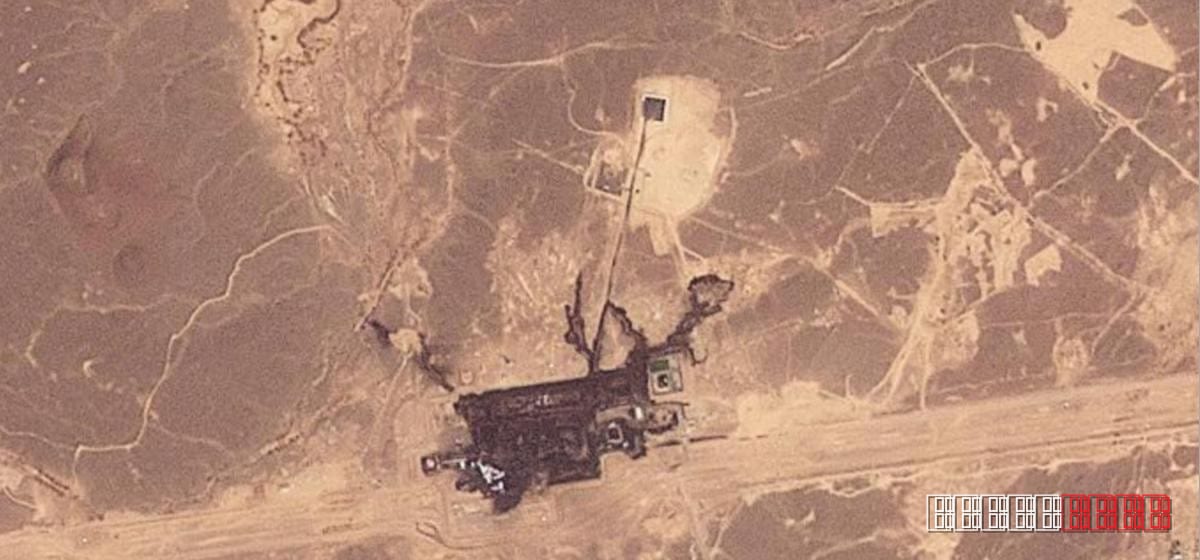
Saudi Arabia announced the shutdown of its East‑West crude oil pipeline on Thursday after a drone strike, which BBC News traced to a launch point in Iraq near the Iranian border, damaged a critical pumping station. The pipeline, which carries up to 1.8 million barrels per day from the Gulf to the Red Sea, was taken offline as a precaution while engineers assess the damage.
The drone, described by Saudi authorities as an unmanned aerial vehicle, struck the pipeline’s Al‑Mishraq facility, causing a temporary halt in flow but no reported injuries. BBC News reported that the incident prompted immediate security alerts across the kingdom’s oil infrastructure, with the Ministry of Energy confirming the shutdown to prevent any further risk to the network.
In response, Iraqi officials moved quickly to address the breach of sovereignty. The Iraqi government announced the dismissal of a senior military commander overseeing the region where the drone was launched and opened a formal investigation into the incident. According to BBC News, the probe will examine whether the launch originated from militia groups operating near the Iran‑Iraq border.
The East‑West pipeline, often referred to as the Petroline, is a strategic artery for Saudi exports, allowing crude to bypass the Strait of Hormuz and reach Asian markets via the Red Sea. Since its commissioning in 2012, the line has been a target of occasional sabotage, including a 2019 missile strike that briefly disrupted flow. Its capacity represents roughly 10 % of Saudi Arabia’s total oil output, making any interruption a matter of global market concern.
Tensions in the region have been heightened by a series of drone and missile attacks linked to proxy groups aligned with Iran, a rival of Saudi Arabia. The recent strike underscores the vulnerability of critical energy infrastructure to low‑cost aerial weapons, a trend observed across the Middle East in recent years. Analysts note that such incidents can trigger short‑term spikes in oil prices, even when the physical damage is limited.
Saudi officials have indicated that the pipeline will be inspected and repaired as swiftly as possible, while Iraqi authorities pledge full cooperation with the investigation. The outcome may shape future security protocols for cross‑border energy projects and could influence diplomatic talks aimed at de‑escalating Iran‑Saudi rivalries. Both nations have signaled a willingness to prevent further disruptions, but the incident highlights the fragile balance of security and commerce in the region.
This report is based on original reporting by BBC News. Read the original source →