Dutch diplomats stripped of Israeli status following settlement sanctions
Israel’s foreign ministry announced the removal of diplomatic privileges for Dutch officials after the Netherlands imposed sanctions on West Bank settlement products.
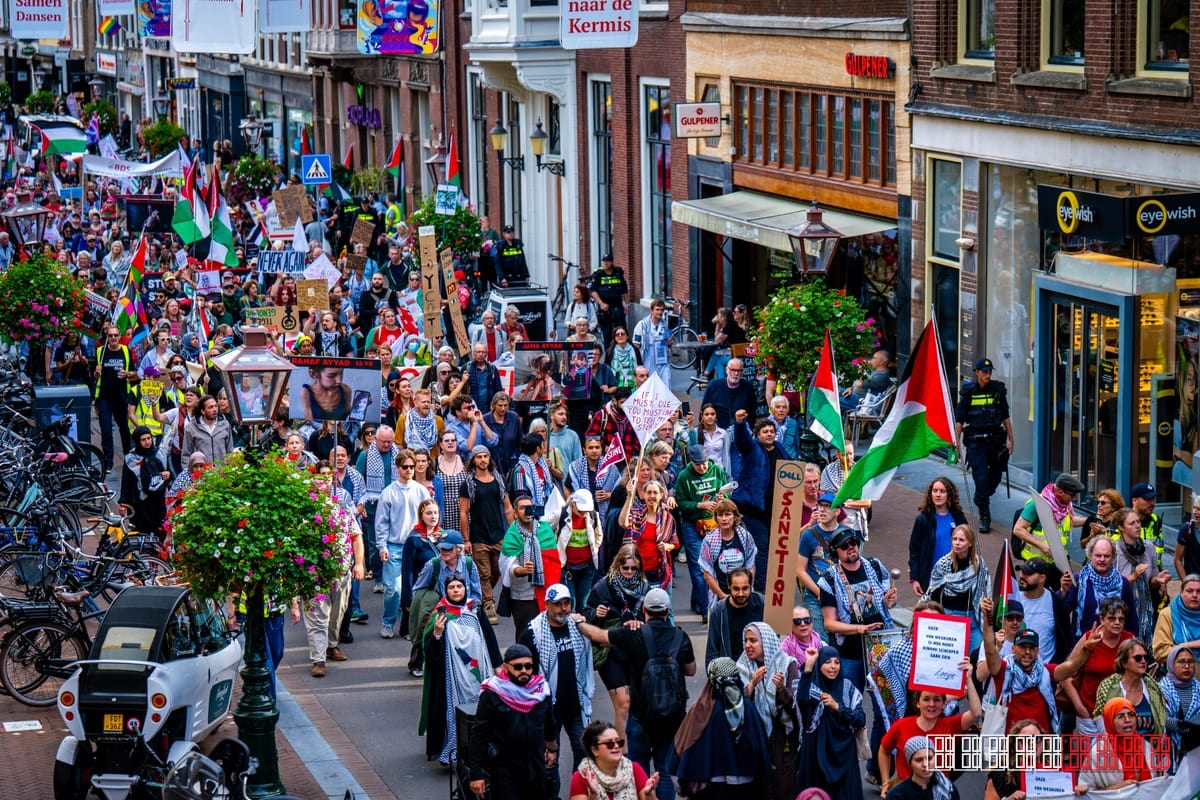
Israel’s foreign ministry said it will revoke the diplomatic status of several Dutch officials, a move it described as a direct response to the Netherlands’ decision to sanction products originating from Israeli settlements in the occupied West Bank. Al Jazeera reported the announcement came shortly after the Dutch government enacted the measures, which target goods produced in areas deemed illegal under international law.
The Dutch sanction, introduced earlier this month, bans the import of items made in the settlements and imposes restrictions on companies that do business there. According to Al Jazeera, the policy aligns with a broader European effort to pressure Israel over settlement expansion, a tactic that has drawn both praise and criticism within the EU.
In retaliation, Israel’s foreign ministry said the affected Dutch diplomats would lose diplomatic immunity, exemption from taxes and other privileges normally accorded to foreign envoys. The ministry added that the decision could be extended to additional staff if the Netherlands does not reverse its sanctions. Al Jazeera noted that Israel has previously used similar diplomatic measures against countries that it perceives as targeting its policies.
The dispute taps into a long‑standing international controversy. Since the 1967 Six‑Day War, Israel has built settlements in the West Bank, a territory the United Nations and most of the global community consider occupied. United Nations Security Council resolutions have repeatedly called for a halt to settlement activity, labeling them a breach of the Fourth Geneva Convention. The settlements are a core issue in the Israeli‑Palestinian conflict and a frequent flashpoint in Israel’s relations with European nations.
Relations between Israel and the Netherlands have generally been cooperative, with both countries sharing strong trade ties and security cooperation. However, the recent diplomatic downgrade could strain those links, potentially affecting joint projects in technology, agriculture and defense. Analysts warn that a prolonged diplomatic rift may influence the Netherlands’ stance within the European Union, where consensus on Israel policy varies widely.
Historically, when diplomatic privileges are withdrawn, the affected nation may issue reciprocal actions, ranging from limiting consular services to expelling additional diplomats. Such tit‑for‑tat measures can complicate bilateral negotiations and may spill over into broader regional dynamics, especially if other EU members follow the Dutch lead on settlement sanctions.
This report is based on original reporting by Al Jazeera. Read the original source →