Education Department Publishes New Civil Rights Student Data Set After Trump Revisions
The Department of Education has released a comprehensive but less user‑friendly civil rights data set on public‑school students, reflecting changes made during the Trump administration.
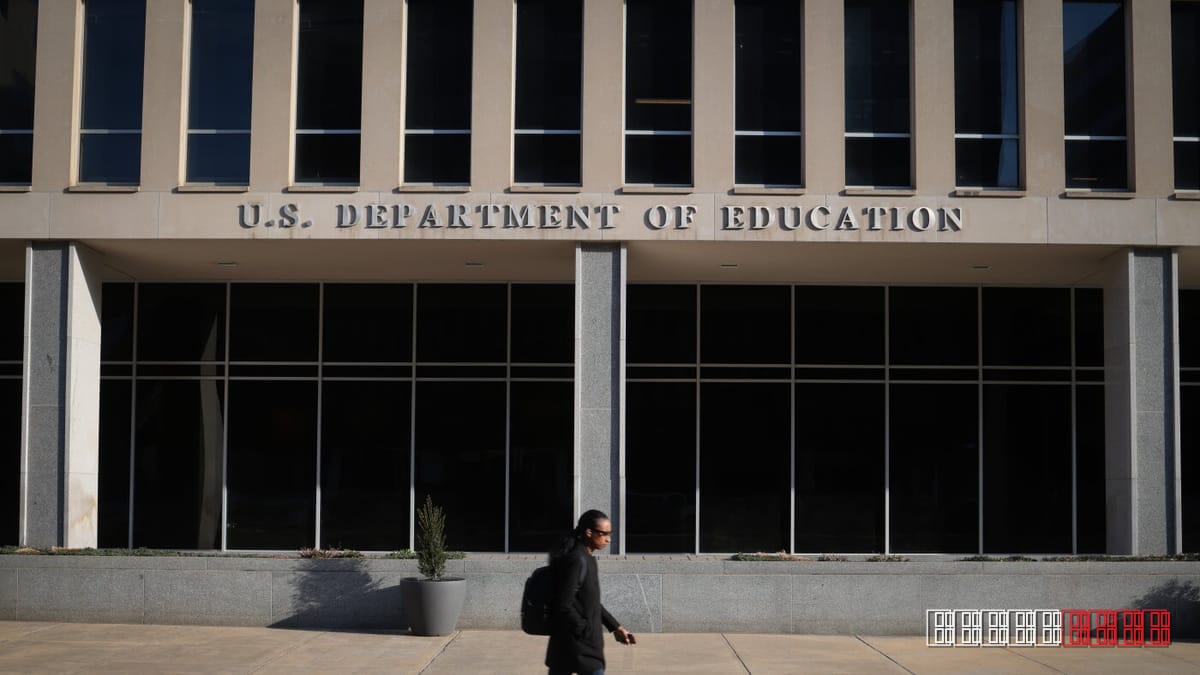
The U.S. Department of Education has finally made public a massive collection of civil rights data that tracks enrollment, discipline, and academic outcomes for millions of K‑12 students. NPR reported that the data, which the department has been compiling for decades, is now accessible through an online portal but is presented in a format that analysts say is more difficult to navigate than previous releases.
The new data set includes information on race, ethnicity, gender, disability status, and English‑language‑learner designation, linked to outcomes such as graduation rates and disciplinary actions. While the raw numbers are available, the accompanying documentation is limited, and the portal’s search tools have been scaled back, prompting concerns among civil‑rights advocates and researchers.
The shift in accessibility follows policy changes enacted under the Trump administration, which altered how the department aggregates and reports civil‑rights statistics. Those changes, according to NPR, involved consolidating several separate databases and reducing the granularity of publicly released tables. Critics argue that the simplifications obscure disparities that federal monitoring is meant to expose.
Historically, the Civil Rights Data Collection (CRDC) has been a cornerstone for identifying inequities in public schools, informing lawsuits, policy reforms, and funding decisions. Since its inception in the early 2000s, the CRDC has helped reveal patterns such as higher suspension rates for Black students and lower access to advanced coursework for students with disabilities. The current release, however, arrives at a time when many states are reevaluating equity initiatives, making the clarity of the data especially consequential.
Education analysts note that the new format may delay the work of watchdog groups that rely on timely, detailed data to challenge discriminatory practices. Some advocacy organizations are already planning to file Freedom of Information Act requests for more detailed breakdowns. The Department of Education has indicated that it will update the portal based on user feedback, but no timeline has been set.
The release underscores a broader debate about federal transparency in education. While the data’s availability marks progress, the reduced usability could limit its impact, leaving policymakers and the public to grapple with incomplete pictures of school‑based inequities.
This report is based on original reporting by NPR. Read the original source →