Emerging Tech Jargon Captures Online Annoyances in 2026
A fresh batch of slang terms is giving users a way to label the intrusive pop‑ups, endless prompts and other digital irritants that dominate modern browsing.
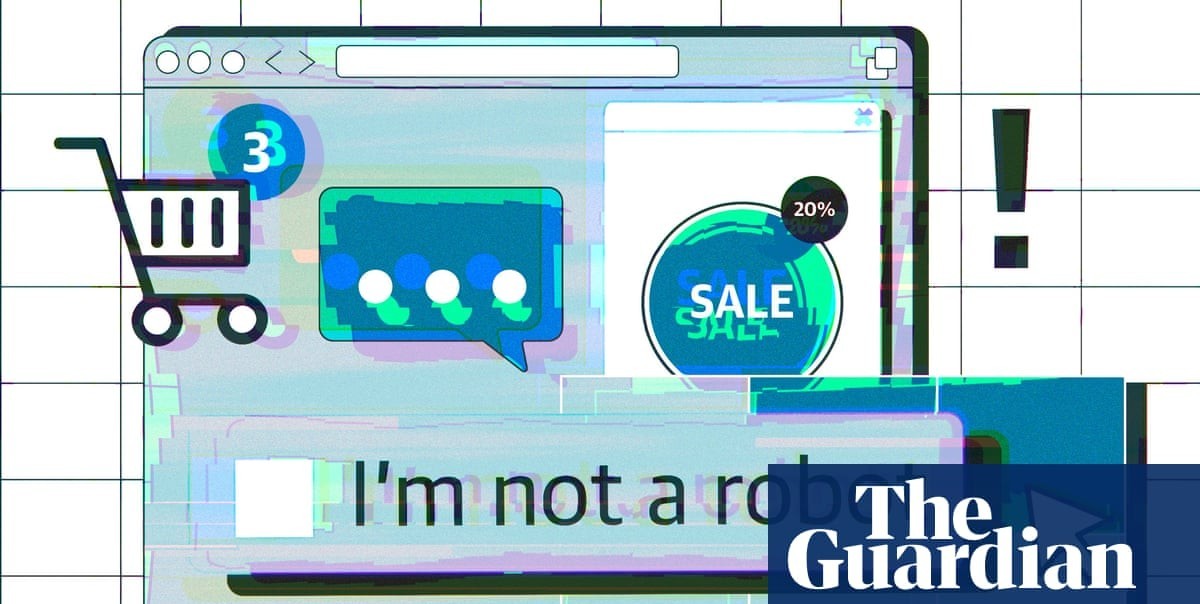
In 2026 a handful of writers and online communities have begun to name the small but maddening design tricks that litter websites and apps. The most widely cited is the “dickover,” a phrase coined by tech commentator John Gruber in May to describe any modal overlay—such as cookie consent banners, notification prompts, or sign‑in pop‑ups—that deliberately hides the underlying content until the user dismisses it.
The term joins a growing lexicon that includes “baggravation,” a portmanteau of “bag” and “aggravation,” used for overly aggressive data‑collection dialogs that feel like a sack of unwanted requests. Another newcomer, “botiquette,” refers to the unspoken etiquette surrounding automated chat‑bots and voice assistants, especially when they interrupt or misinterpret user intent.
These words are more than linguistic curiosities; they reflect a broader frustration with design choices that prioritize conversion metrics over user experience. By giving a name to the problem, designers and regulators can discuss it more concretely, and users gain a shared vocabulary for complaints that were previously vague.
The list of 18 fresh terms also covers phenomena such as “scroll‑jacking,” where a site hijacks the scroll wheel to control page movement, and “click‑bait carousel,” describing endless rotating headline strips that force extra clicks. While some critics argue that new slang can become fleeting, the rapid adoption of these labels on social media and in UX research suggests they fill a real communicative gap.
As digital products continue to evolve, the hope is that clearer language will pressure developers to curb intrusive patterns. Whether these words will endure or be replaced by the next wave of tech‑driven irritation remains to be seen, but for now they offer a useful shorthand for the everyday annoyances of the online world.