Escalating Israel-Hezbollah Fighting Claims Dozens of Lives Amid U.S.-Iran Strikes
Clashes in the Levant have left at least 11 dead, prompting Lebanon's president to urge U.S. intervention as regional tensions rise.
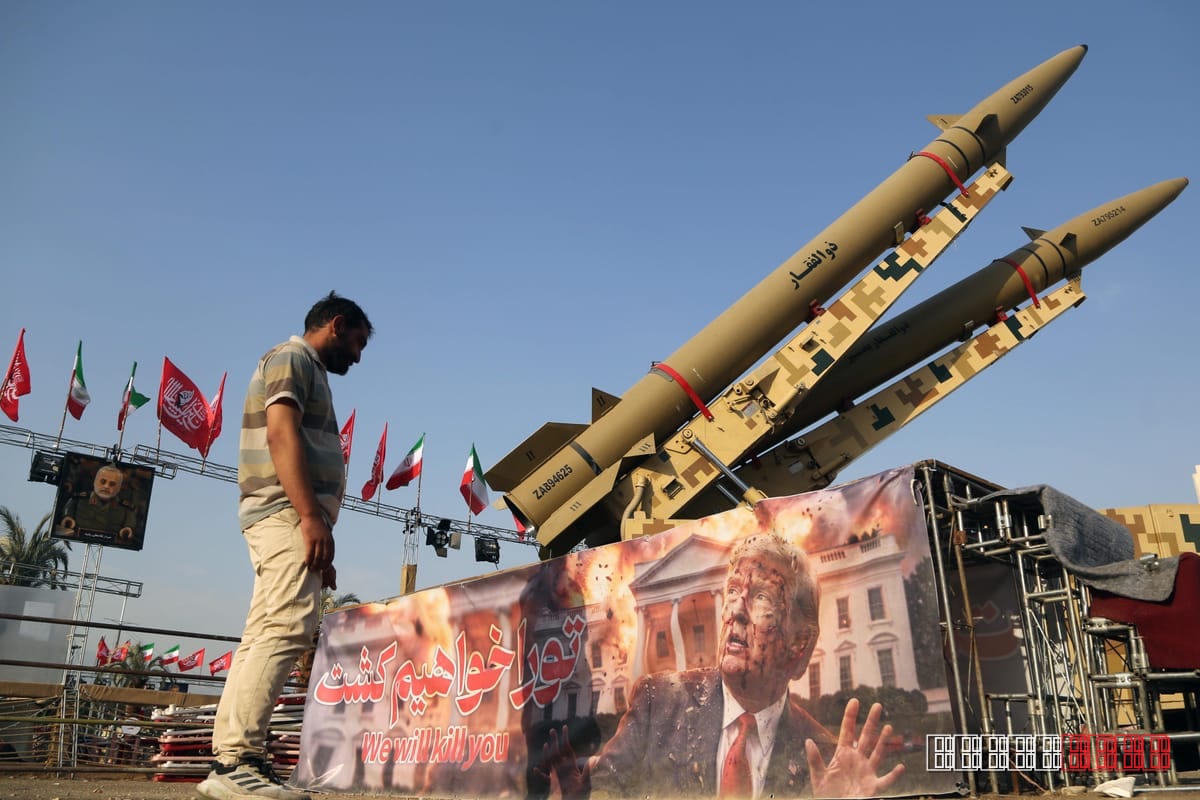
The latest round of hostilities between Israel and Lebanon's Hezbollah militant group has resulted in at least 11 fatalities, according to CNBC. The deaths include civilians caught in cross‑border fire that intensified after a series of U.S. and Iranian strikes earlier in the week.
Lebanese President Joseph Aoun publicly appealed to Washington for assistance in halting Israeli attacks, saying the violence that killed seven people on Sunday was unacceptable. CNBC reported that Aoun’s request underscores the fragile security environment in Beirut and the broader Middle East.
The flare‑up follows a series of retaliatory strikes between the United States and Iran, which have heightened the risk of a wider regional conflict. While the precise targets of those strikes were not disclosed, analysts note that such actions often trigger proxy engagements, with Hezbollah historically aligning with Tehran against Israeli interests.
Historically, Israel and Hezbollah have engaged in periodic skirmishes along the Lebanon‑Israel border, most notably during the 2006 war that caused extensive civilian displacement. In recent years, sporadic exchanges of fire have been contained, but the current escalation marks one of the deadliest episodes in over a decade. The involvement of U.S. forces adds a new dimension, potentially drawing American troops into a conflict that could disrupt global oil markets and regional trade routes.
From a business perspective, heightened instability in the Strait of Hormuz—a critical chokepoint for oil shipments—could pressure crude prices and affect energy‑dependent economies worldwide. Investors typically watch such developments closely, as any disruption to shipping lanes can ripple through commodity markets, influencing everything from fuel costs to airline ticket prices.
International diplomatic channels are reportedly active, with the United Nations and several European capitals urging restraint. The outcome of the current clashes may set a precedent for how external powers, especially the United States, engage with proxy forces in the Middle East, shaping both security calculations and economic forecasts for the coming months.
This report is based on original reporting by CNBC. Read the original source →