Estonian minister steps down amid €70 million Ukraine shell contract with Indian firm
The resignation follows revelations of a controversial arms deal linking Estonia, Ukraine and an Indian defence supplier.
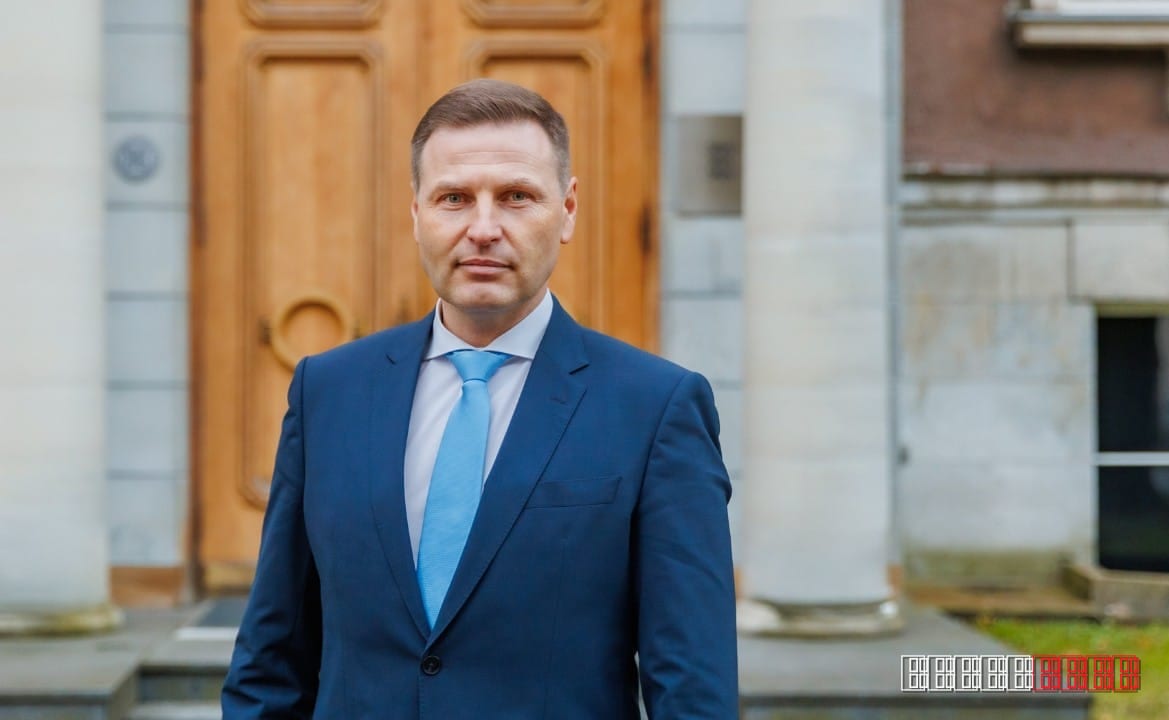
Estonia’s defence minister has tendered his resignation after a €70 million contract to supply artillery shells to Ukraine was found to involve an Indian defence company, Times of India reported. The minister, who had overseen the procurement, said he was stepping aside to allow a transparent investigation into the alleged irregularities surrounding the deal.
The contract, signed earlier this year, was intended to bolster Ukraine’s frontline ammunition stockpiles as the war in the east entered its fifth year. According to the Times of India, the Indian firm was tasked with manufacturing the shells, but questions arose about pricing, procurement procedures and compliance with EU export controls.
Parliamentary opposition parties quickly demanded accountability, arguing that the deal bypassed standard tendering rules. The minister’s departure comes after a parliamentary inquiry was launched, and the prime minister’s office indicated that an independent audit would be commissioned to review the entire transaction.
Estonia, a NATO member since 2004, has been one of the most vocal European supporters of Ukraine’s defence needs, contributing both financial aid and military equipment. The country’s small defence budget makes each procurement decision highly scrutinised, and any hint of impropriety can trigger political fallout. This resignation underscores the delicate balance smaller states must strike between rapid assistance to allies and adherence to strict procurement standards.
India’s defence industry has been expanding its footprint in global markets, seeking contracts that align with its “Make in India” initiative. While the partnership with Estonia could have opened a new export avenue, the controversy highlights the challenges Indian firms face when navigating the complex regulatory environments of Western defence procurement. Analysts note that such setbacks may prompt Indian exporters to reinforce compliance mechanisms before pursuing further deals with EU members.
The fallout from the resignation is likely to reverberate through Estonia’s defence ministry, with a caretaker minister expected to oversee ongoing support to Ukraine while the investigation proceeds. Observers will watch how the episode influences future arms deals between European nations and non‑EU suppliers, especially as the conflict in Ukraine continues to shape defence spending across the continent.
This report is based on original reporting by Times of India. Read the original source →