Europe Strengthens Defences as Russia’s Hybrid Tactics Intensify
European capitals are coordinating new cyber, disinformation and security measures in response to what leaders call Russian hybrid warfare.
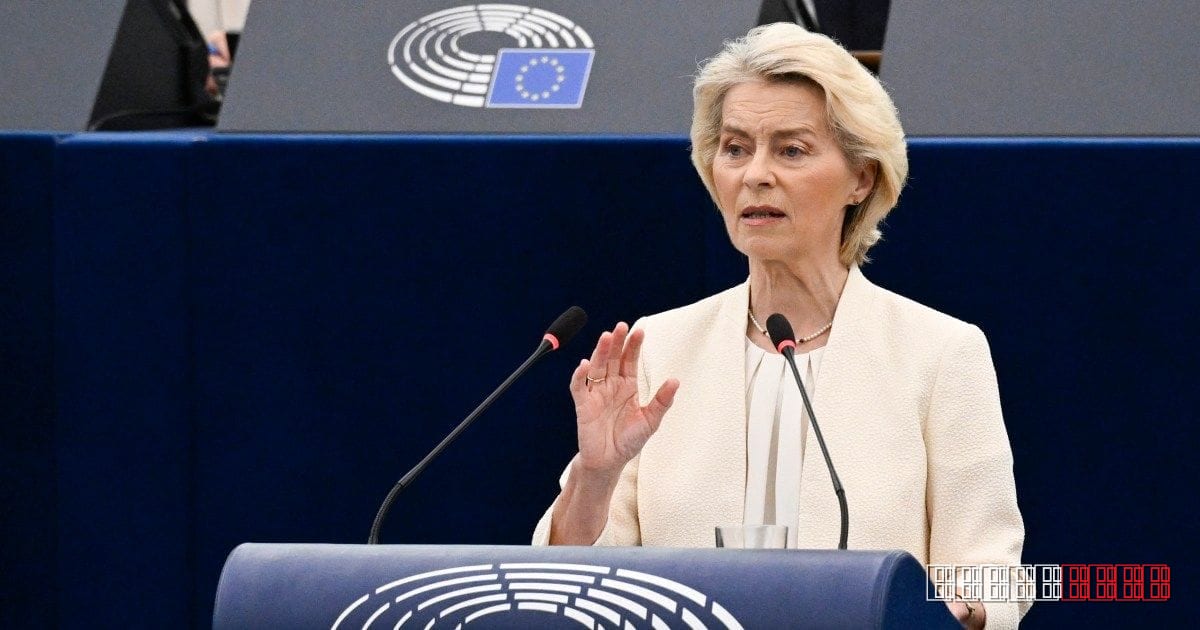
European officials have increasingly framed Russia’s actions in Ukraine and beyond as a form of hybrid warfare, blending conventional force with cyber attacks, propaganda and economic pressure. Al Jazeera reported that leaders across the continent are accusing Moscow of deploying these mixed‑method strategies to undermine Western unity and security.
In response, the European Union has set up a dedicated Hybrid Threats Centre in Brussels, tasked with monitoring disinformation campaigns, coordinating cyber‑defence initiatives and advising member states on counter‑measures. NATO’s Allied Command Operations has also expanded its rapid‑response cyber unit, aiming to detect and neutralise malicious code before it can disrupt critical infrastructure.
National governments are stepping up their own efforts. Germany has allocated additional funding to its Federal Office for Information Security, while France has launched a public‑media literacy program to help citizens spot false narratives. The United Kingdom, still navigating post‑Brexit defence arrangements, announced a joint task force with the United States to share intelligence on Russian cyber incursions.
Background context Hybrid warfare is not a new concept, but its prominence grew after Russia’s annexation of Crimea in 2014, when coordinated cyber attacks and disinformation were used to sow confusion in Ukraine and the West. The tactics resurfaced on a larger scale during the 2022 invasion of Ukraine, where fake news, deep‑fake videos and ransomware attacks complemented conventional military operations. Such blended approaches aim to exploit societal vulnerabilities, making it harder for traditional defence structures to respond effectively. Understanding this evolution helps explain why European institutions are now prioritising resilience across digital, informational and political domains.
Looking ahead, the EU plans to adopt a comprehensive hybrid‑threat strategy by the end of 2026, which will formalise rules for rapid sanctions, joint cyber‑exercise drills and a coordinated public‑information campaign. Analysts say that while these steps signal a more unified stance, the fluid nature of hybrid tactics means Europe will need to continuously adapt its policies and technology to stay ahead of evolving threats.
This report is based on original reporting by Al Jazeera. Read the original source →