Experts doubt substantive outcomes from upcoming Trump‑Xi summit
Analysts say the meeting may be more about optics than concrete agreements on trade, AI and security.
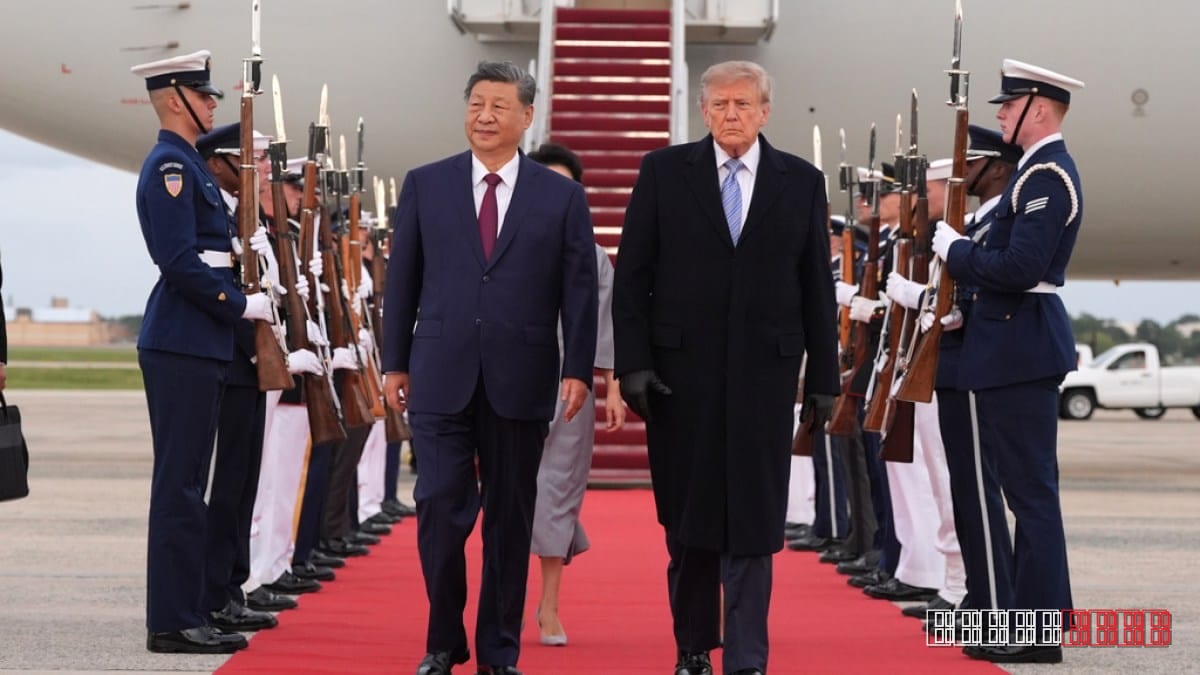
Washington and Beijing are set to host a high‑profile encounter between President Donald Trump and President Xi Jinping later this month. Al Jazeera reported that the agenda will cover trade imbalances, artificial‑intelligence cooperation and a range of security concerns, but many observers caution that the talks could end up being largely symbolic.
A handful of regional security scholars and former diplomats told Al Jazeera that both leaders are likely to use the summit to signal a willingness to engage rather than to hammer out detailed accords. They argue that after years of tariffs, technology bans and diplomatic friction, the primary challenge is restoring a baseline of trust, a task that cannot be solved in a single day of handshakes.
"It feels like a horse‑and‑pony show," one senior analyst said, echoing a sentiment echoed by several experts. The phrase suggests a performance designed to appease domestic audiences in both capitals while leaving the substantive issues for later, lower‑profile negotiations. According to Al Jazeera, the experts stress that any breakthrough would require sustained dialogue beyond the glare of the summit stage.
The meeting comes at a fraught moment in U.S.–China relations. Since 2022, the two powers have been locked in a series of reciprocal export controls, especially targeting semiconductor technology and advanced AI models. Trump's previous administrations oscillated between confrontational tariffs and limited cooperation on climate and health, while Xi's government has pursued a “dual circulation” strategy that emphasizes self‑reliance in critical sectors. Past summits, such as the 2023 Shanghai meeting, produced only modest agreements and left many contentious topics unresolved.
If the summit does indeed prove largely theatrical, the repercussions could be mixed. Domestic constituencies in both countries may claim a diplomatic win, yet businesses awaiting clearer trade rules could remain in limbo. Moreover, allies watching the interaction might reassess their own strategies toward the two superpowers, especially on emerging technologies where coordination is vital. Analysts suggest that a genuine confidence‑building measure—like a joint framework on AI safety or a mutually monitored cyber‑incident response protocol—would carry more weight than any photo‑op.
In the weeks following the summit, diplomatic channels are expected to stay active, with senior officials from both sides reportedly preparing a series of technical working groups. Whether these groups can translate political rhetoric into actionable policy will determine if the summit is remembered as a turning point or merely a staged display.
This report is based on original reporting by Al Jazeera. Read the original source →