Failed Niamey Uprising Exposes Rift in Niger’s Army and Tests Russian Mercenaries
A botched mutiny in Niger's capital highlighted deep divisions within the military and put Russia's Africa Corps on trial in the Sahel.
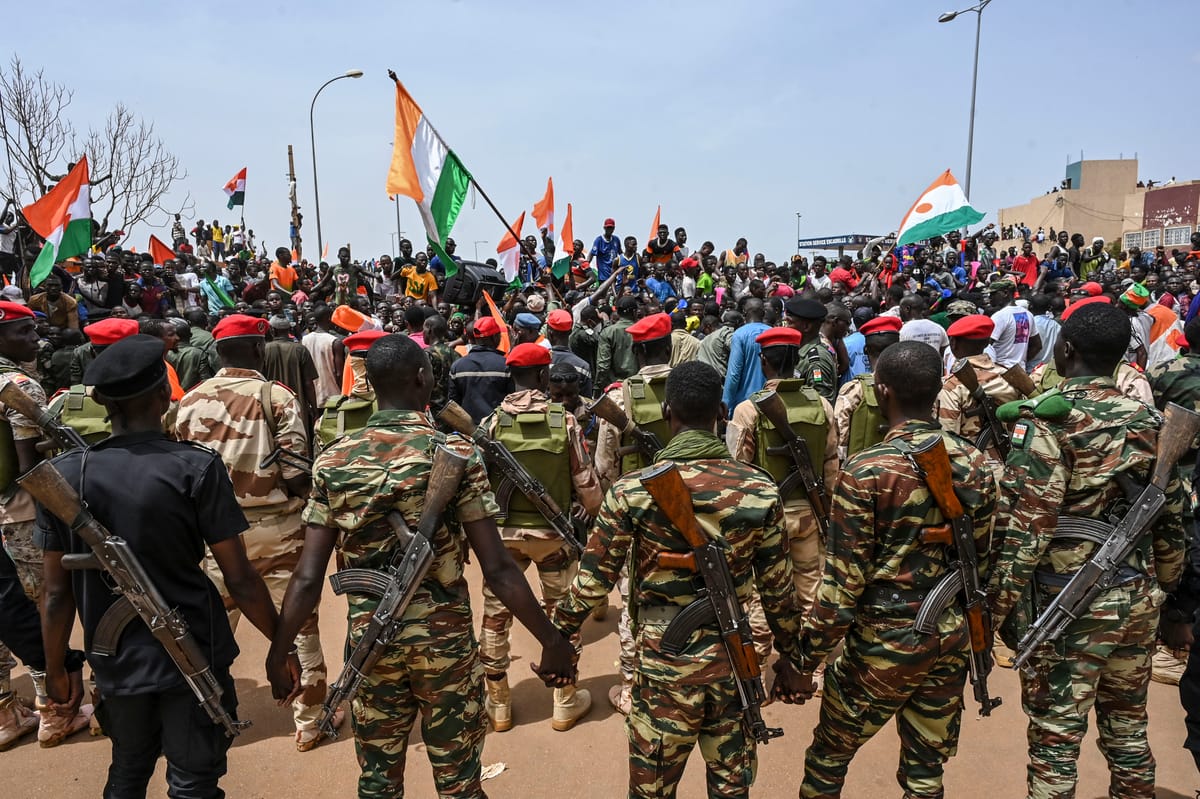
A short‑lived rebellion erupted in Niamey on August 30, when a faction of Niger’s armed forces attempted to seize control of key government sites. The mutiny was quickly suppressed, leaving dozens injured and a handful of detainees, but it laid bare simmering tensions among officers loyal to the junta that seized power in 2023.
Witnesses described heavily armed soldiers storming the presidential palace and the central bank before being met with coordinated resistance from units backed by the Russian‑run private military outfit known as the Africa Corps. The contractor, hired by the junta to bolster security against Islamist insurgents, deployed armored vehicles and tactical teams that helped restore order within hours.
Analysts say the incident underscores a fragile alliance between Niger’s military leadership and Moscow’s mercenaries. While the Africa Corps has been credited with improving counter‑terrorism capabilities in the Sahel, its presence has also sparked unease among regional partners and Western governments, who view Russian private forces as a destabilising influence.
The failed mutiny may force the junta to reassess its reliance on foreign fighters. Some senior officers, reportedly disgruntled by the growing sway of Russian advisers, feared that the Africa Corps was eclipsing Niger’s own command structure. The episode has prompted neighboring states to call for greater transparency about foreign security contracts and to warn that internal discord could spill over into the broader Sahel security landscape.
Looking ahead, Niger faces a delicate balancing act. Restoring cohesion within its ranks will be essential to prevent further insurrections, while the junta must decide whether to deepen its partnership with Russia or seek alternative support from traditional allies. The outcome will likely shape the trajectory of Russian influence across West Africa for years to come.