Florida GOP Congressman Cory Mills Defeated in Primary Amid Abuse Allegations
Republican Rep. Cory Mills lost his bid for re‑election after a primary challenge intensified by domestic‑abuse accusations.
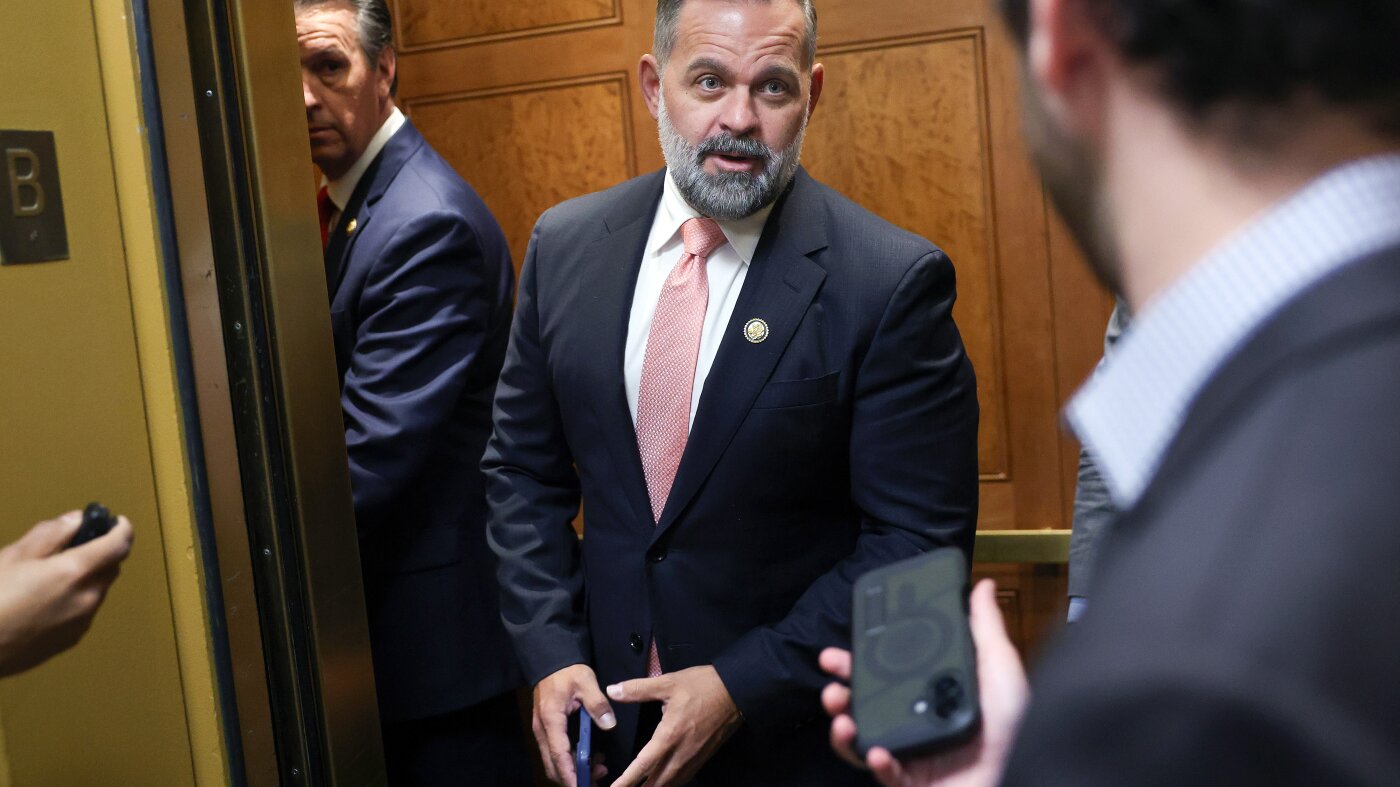
Cory Mills, a Republican member of the U.S. House from Florida’s 7th district, was ousted in the party’s primary election, ending his bid to retain the seat. The loss came after a wave of scrutiny surrounding allegations that he had engaged in domestic abuse, accusations that have shadowed his campaign for months.
The primary contest pitted Mills against a fellow Republican who capitalized on the controversy, presenting a platform of ethical reform and community outreach. Voters in the district responded by delivering a decisive margin to the challenger, signaling a clear rebuke of the incumbent’s conduct and the allegations that have dogged his tenure.
Mills’ defeat adds him to a growing list of federal lawmakers whose careers have been derailed by personal misconduct claims. Over the past year, several members of Congress have faced similar accusations, ranging from financial improprieties to family‑violence allegations, prompting intense media coverage and heightened voter awareness.
Political analysts note that the outcome reflects an increasingly low tolerance for personal scandals among the electorate, especially when such issues intersect with public service. While some observers caution against drawing broad conclusions from a single race, the pattern suggests that candidates perceived to have compromised personal integrity may find it harder to secure party support and voter confidence.
Mills has not publicly responded to the primary results, and his legal team has declined to comment on the pending investigations related to the abuse claims. The House seat will be filled by the primary victor, who is expected to run in the November general election.
The episode underscores the broader challenge facing political parties as they navigate candidate vetting and the impact of personal conduct on public office. As the 2026 election cycle progresses, the scrutiny of lawmakers’ private lives is likely to remain a pivotal factor in shaping campaign dynamics and voter decisions.