Former Governor Attributes US Decline in Israel Favorability to Biblical Illiteracy
Mike Huckabee argues that a lack of Bible knowledge is eroding American support for Israel, citing recent poll data.
A recent Pew Research Center poll released in April found that 60 percent of American adults now hold an unfavorable view of Israel, a sharp shift from the broadly pro‑Israel sentiment that characterized U.S. public opinion for decades. Al Jazeera reported the poll results and noted the trend as a key indicator of changing attitudes toward the Middle‑East ally.
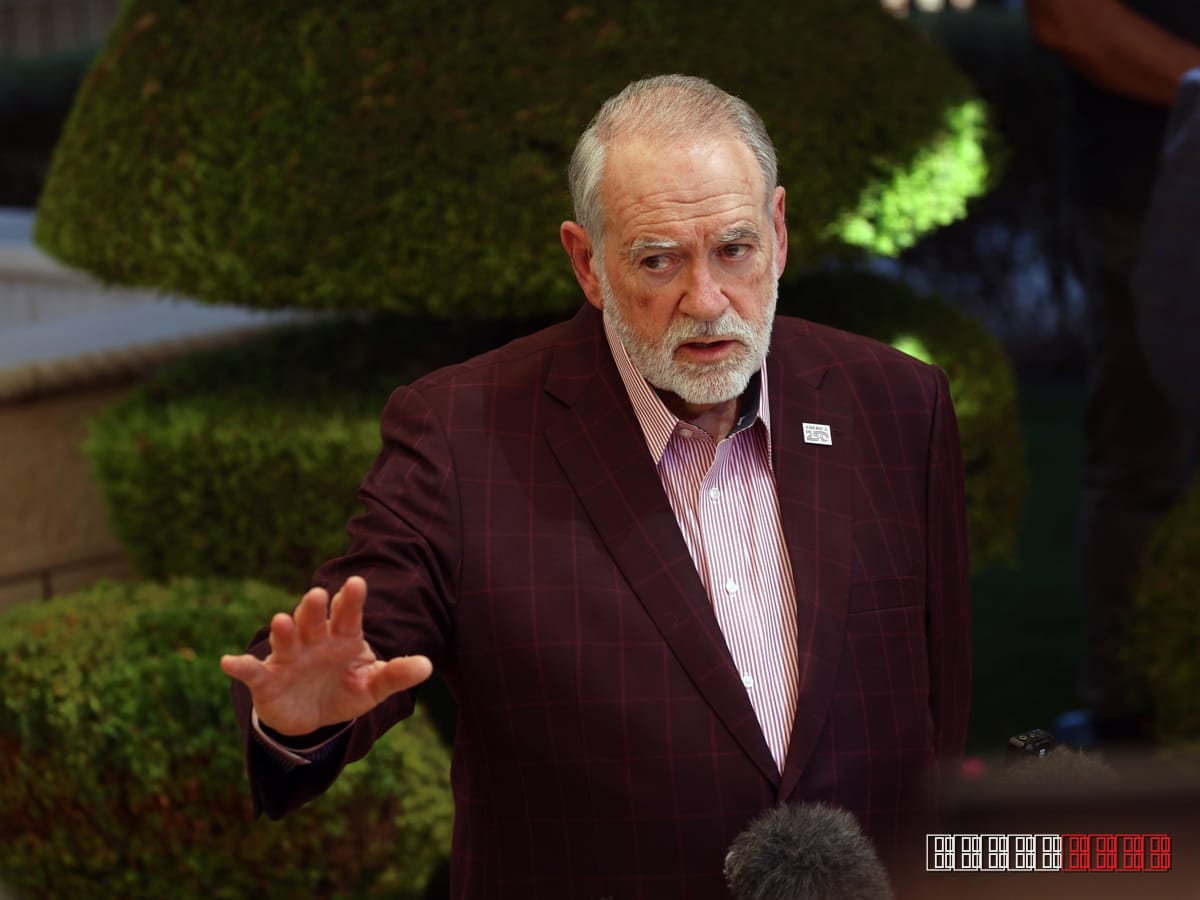
Former Arkansas governor and 2008 Republican vice‑presidential nominee Mike Huckabee responded to the findings by blaming what he called “biblical illiteracy.” In an interview aired last week, Huckabee suggested that many Americans no longer read or study the Bible, which he believes leads to a misunderstanding of Israel’s historical and theological significance. He argued that restoring biblical education could reverse the “waning support” reflected in the poll.
Huckabee’s comments echo a broader debate within U.S. politics about the role of religious literacy in foreign‑policy views. Historically, strong evangelical support helped cement the United States’ alliance with Israel after the 1967 Six‑Day War, and bipartisan backing persisted through the Cold War and beyond. However, recent years have seen growing criticism of Israeli policies, especially regarding the Palestinian territories, which has contributed to a more nuanced or critical public stance.
The Pew poll, which surveyed a nationally representative sample of adults, also highlighted demographic splits: younger voters and those identifying as secular or non‑religious were more likely to view Israel unfavorably, while older and more religious respondents tended to maintain positive opinions. These patterns align with long‑standing research linking religious affiliation to foreign‑policy preferences.
Experts caution that attributing complex geopolitical sentiment to a single factor such as biblical literacy oversimplifies the issue. Dr. Laura Feldman, a professor of Middle‑East studies, notes that media coverage, policy decisions, and humanitarian concerns all shape public opinion. Nevertheless, Huckabee’s remarks have sparked conversation among faith‑based groups, some of which are calling for renewed emphasis on biblical curricula in schools and churches.
As the United States approaches the midterm elections, politicians on both sides of the aisle are likely to monitor public sentiment toward Israel closely. Whether religious education will become a focal point of campaign rhetoric remains to be seen, but the current polling data suggests that the relationship between faith, politics, and foreign policy will continue to be a contentious arena.
This report is based on original reporting by Al Jazeera. Read the original source →