Former Home Secretary R.K. Singh alleges Election Commission misconduct in nationwide SIR, urges opposition unity
R.K. Singh says the Election Commission chief’s decision to revise the entire country’s voter list broke the law and calls on opposition parties to stand together.
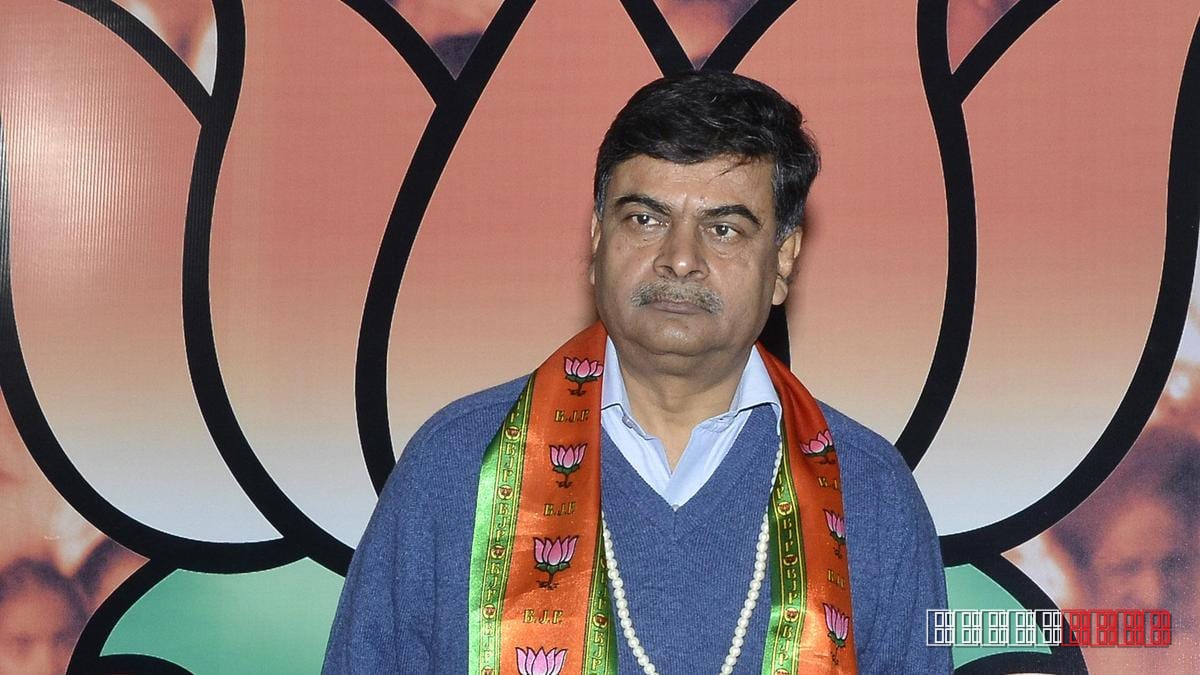
Former Home Secretary R.K. Singh has publicly charged Election Commission chief Gyanesh Kumar with breaching legal norms by ordering a nationwide revision of the electoral roll, known as the Summary Revision (SIR). Singh, speaking at a press conference in New Delhi, described the move as “illegal” and said it contravened established procedures for updating voter lists. He also urged opposition parties to unite against what he termed a “politically motivated” exercise, according to The Hindu.
Singh’s allegation centers on the fact that the Election Commission invoked its authority to conduct a whole‑country revision without first obtaining a court’s permission, a step he says is required under the Representation of the People Act. He added that the Supreme Court’s recent order upholding the general SIR was itself flawed, arguing that the court had misinterpreted the legal framework governing electoral roll revisions.
The Election Commission, for its part, has not issued a detailed rebuttal to Singh’s claims as of the time of writing. However, officials have previously defended the SIR as a routine, time‑bound exercise aimed at removing duplicate or ineligible entries and adding new voters. Critics, including several senior bureaucrats, contend that the timing—just months before the next general election—could influence voter composition in key constituencies.
Background: The Summary Revision of the electoral roll is a statutory exercise that the Election Commission may undertake every few years to ensure the accuracy of voter lists. Under Indian law, a partial revision can be ordered by the commission itself, but a complete nationwide revision typically requires a court’s sanction, especially if it is to be implemented close to an election. The Supreme Court’s involvement last month affirmed the Commission’s authority to proceed with the SIR, but dissenting opinions highlighted concerns about procedural shortcuts and potential partisan gain.
Singh’s call for opposition unity taps into a broader narrative of fragmented opposition parties struggling to present a cohesive front against the ruling coalition. By framing the SIR as an “illegal” maneuver, he hopes to rally disparate parties around a common grievance, potentially reshaping pre‑election alliances. Whether this appeal will translate into coordinated action remains to be seen, but it underscores the heightened political stakes surrounding the upcoming polls.
The controversy highlights the delicate balance between administrative efficiency and legal compliance in India’s electoral machinery. As the deadline for the revised roll approaches, stakeholders from civil society, political parties, and the judiciary will likely intensify scrutiny of the Election Commission’s actions, setting the stage for further legal challenges or legislative reforms.
This report is based on original reporting by The Hindu. Read the original source →