Government initiates review of Ambedkarite texts in university syllabi after online criticism
The Prime Minister's Office has ordered a review of Ambedkarite literature in higher‑education curricula following an anonymous post labeling the material as harmful, prompting debate over academic autonomy.
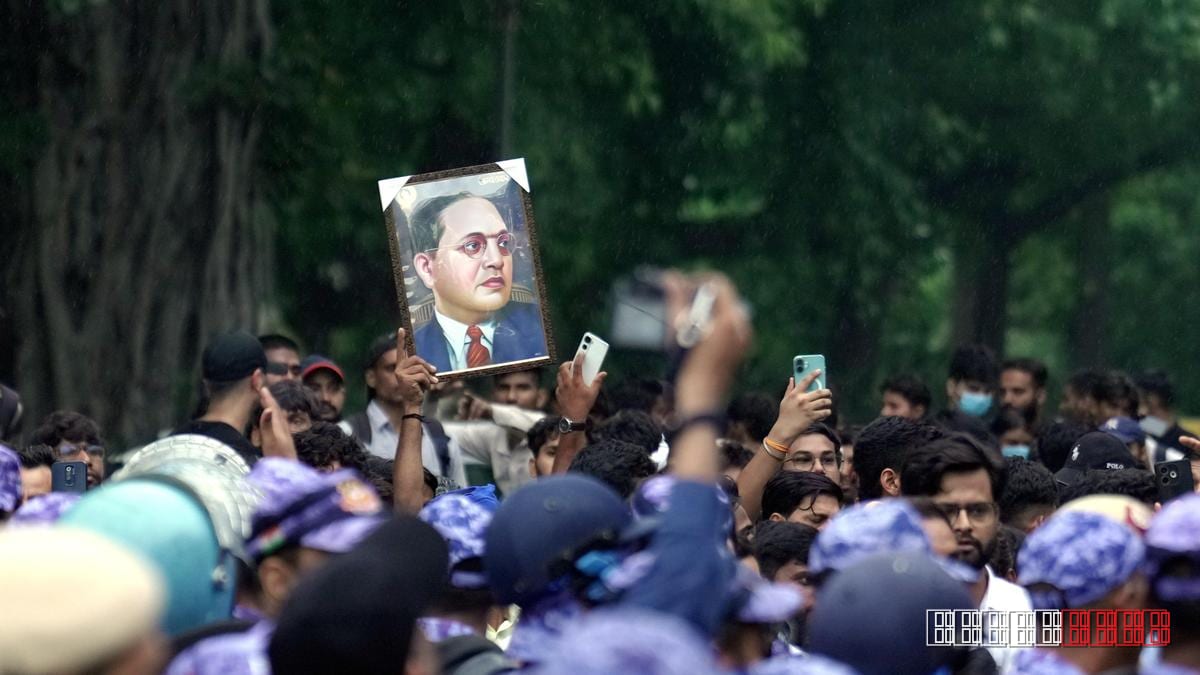
The Prime Minister's Office (PMO) has announced that it will examine the inclusion of Ambedkarite writings across university programmes after an anonymous social‑media post described the content as “poison”. The Hindu reported that the move comes amid growing scrutiny of how Dalit‑focused scholarship is presented in higher‑education institutions.
Academic Kancha Ilaiah Shepherd, a prominent scholar of Dalit studies, publicly questioned the decision, arguing that syllabus matters traditionally fall under the Department of Higher Education or the University Grants Commission. He warned that direct interference by the executive could undermine the independence of universities, a view echoed in The Hindu’s coverage.
Ambedkarite literature, rooted in the works and philosophy of Dr. B. R. Ambedkar, has long been a staple of social‑science courses in Indian universities. The texts address caste discrimination, constitutional law, and social reform, and are especially significant for Dalit studies programmes. Over the past decade, they have occasionally sparked controversy, with some groups demanding their removal while others defend their academic merit.
The PMO’s involvement marks a departure from the usual procedural framework, where curriculum revisions are coordinated by the Ministry of Education, the Department of Higher Education, and the University Grants Commission (UGC). In recent years, the central government has taken a more active stance on educational content, citing concerns over national cohesion and ideological balance. Similar interventions have occurred in subjects ranging from history to economics, often prompting debates about the appropriate boundaries of political oversight.
Scholars and student bodies have responded with a mix of caution and criticism. Some fear that the review could set a precedent for future political vetting of academic material, potentially chilling scholarly inquiry. Others see an opportunity to ensure that the presentation of Ambedkar’s ideas remains rigorous and free from distortion. The outcome of the review could influence how Dalit perspectives are integrated into curricula nationwide.
The review process is expected to involve consultations with academic experts, university officials, and possibly civil‑society representatives. While timelines have not been disclosed, the PMO has indicated that any recommendations will be communicated to the relevant education authorities for implementation. The episode underscores the delicate balance between safeguarding educational standards and preserving academic freedom in India’s rapidly evolving higher‑education landscape.
This report is based on original reporting by The Hindu. Read the original source →