Guatemala court dismisses terrorism case against former deputy minister and Indigenous leaders
A judge has voided terrorism accusations against Luis Pacheco and three Indigenous ex‑leaders linked to the 2023 protests, Al Jazeera reports.
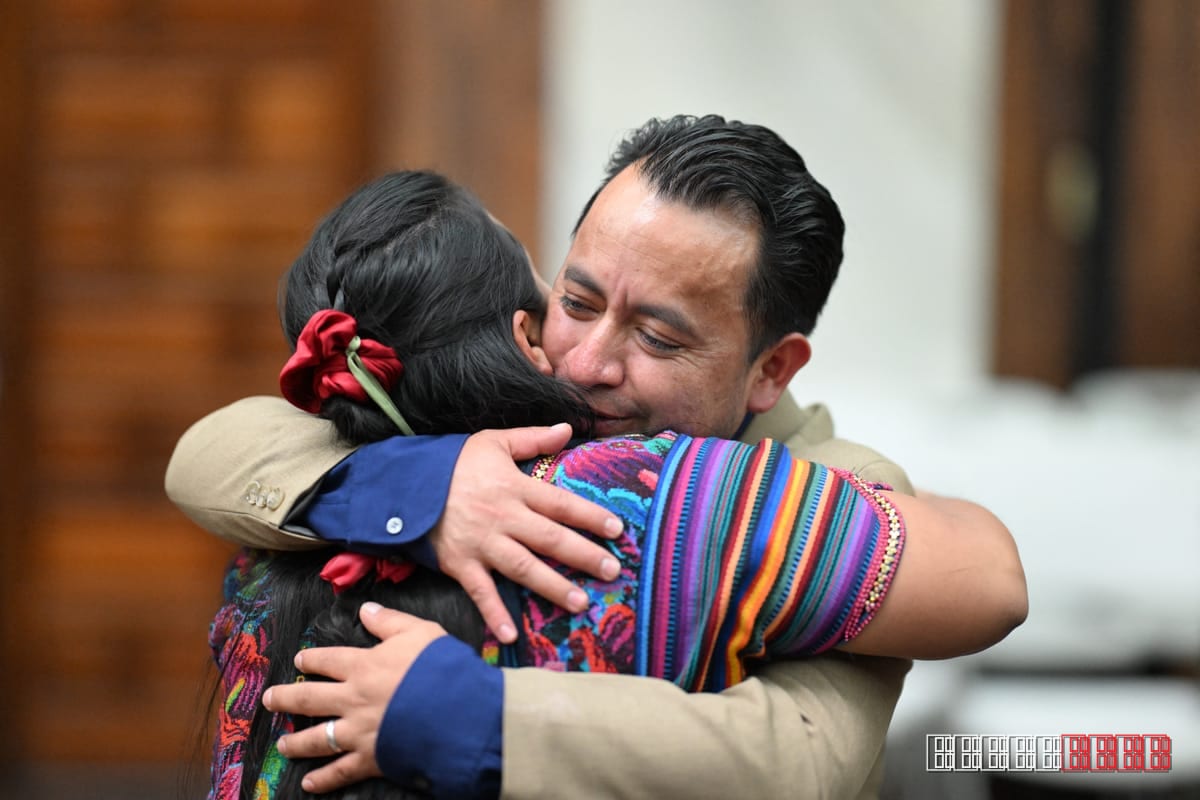
A Guatemalan judge has nullified terrorism charges that had been filed against former deputy minister Luis Pacheco and three Indigenous activists who previously headed community organizations, Al Jazeera reported. The magistrate concluded that the evidence did not satisfy the legal threshold for terrorism, leading to the immediate release of the defendants from the pending case.
The dismissed indictment accused Pacheco and the three former leaders of orchestrating violent acts during the widespread demonstrations that erupted in 2023. Prosecutors had framed the protests as an attempt to destabilise the state, invoking the country's anti‑terrorism statute to pursue the case. With the court’s decision, all pending legal proceedings against the quartet have been halted, and the individuals are free to resume their public activities.
The 2023 protests were sparked by a combination of grievances, notably opposition to a controversial mining concession that Indigenous communities feared would threaten their lands and livelihoods. Demonstrations swelled across the highlands, drawing thousands of participants and prompting a heavy security response. Human‑rights groups had repeatedly warned that the Guatemalan government was employing anti‑terrorism legislation as a tool to suppress dissent, a practice that drew criticism from international observers.
Guatemala’s anti‑terrorism law, enacted in the early 2000s, has been invoked in a handful of high‑profile cases involving activists, journalists and political opponents. Critics argue that its broad language allows authorities to label legitimate protest activity as terrorism, thereby justifying harsher penalties and longer pre‑trial detentions. The recent ruling therefore marks a rare judicial rebuke of that approach, suggesting that courts may be more willing to scrutinise the evidentiary basis of such charges.
While the decision has been welcomed by Indigenous advocacy groups and civil‑society organisations, officials from the Ministry of the Interior have not yet commented on the implications for future prosecutions. Observers note that the outcome could influence how prosecutors handle similar cases moving forward, potentially curbing the use of terrorism statutes against protest leaders.
The case underscores ongoing tensions between Guatemala’s security apparatus and its Indigenous populations, highlighting the delicate balance between maintaining public order and respecting the right to dissent. As the country prepares for upcoming legislative debates on security reforms, the dismissal may serve as a reference point for both legal scholars and activists seeking clearer boundaries on the application of anti‑terrorism measures.
This report is based on original reporting by Al Jazeera. Read the original source →