Heavy Downpour Triggers Flash Floods Across New York City Streets and Subway
Intense rainstorms caused sudden flooding in multiple neighborhoods, disrupting traffic and underground transit lines.
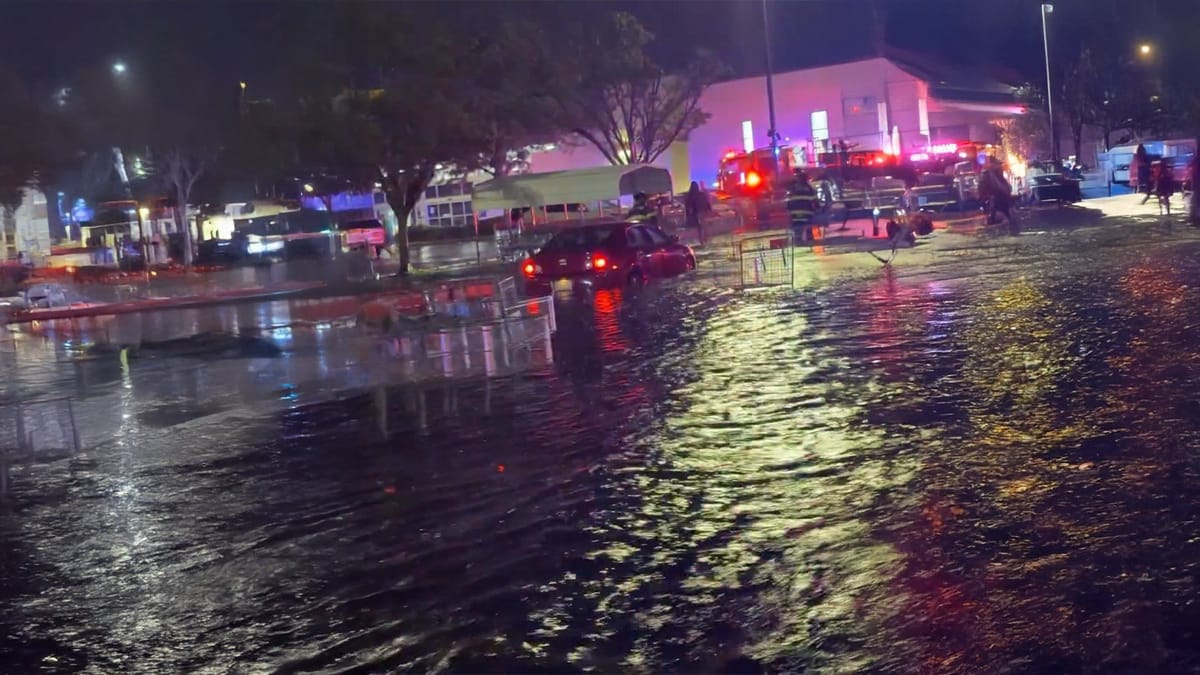
Heavy rainstorms swept through New York City on Tuesday, turning several streets into shallow rivers and forcing water into the subway system. Meteorologists described the precipitation as torrential, with rainfall rates exceeding typical summer averages and persisting for several hours. The sudden surge of water overwhelmed drainage infrastructure, leading to flash flooding in low‑lying areas of Manhattan, Brooklyn, and the Bronx.
City emergency services responded quickly, deploying rescue crews to assist motorists trapped in inundated roadways and to clear debris from key intersections. The Metropolitan Transportation Authority (MTA) reported that water seeped into a number of subway stations, prompting temporary service suspensions on affected lines. Commuters were advised to seek alternative routes, and several bus lines were rerouted to avoid the worst‑hit corridors.
Mayor Eric Adams issued a public safety advisory, urging residents to avoid travel in flooded zones and to stay clear of standing water, which can conceal hazards such as downed power lines or damaged road surfaces. Officials also reminded New Yorkers that flash flooding can develop rapidly, giving little time for preparation.
The incident highlights ongoing concerns about the city’s aging storm‑water management system, which has struggled to cope with increasingly extreme weather events. While no major injuries have been reported so far, the flooding caused significant delays for thousands of commuters and disrupted local businesses that rely on foot traffic. City engineers are assessing damage to the subway’s drainage pumps and evaluating the need for immediate repairs.
As the rain subsided, crews began pumping water from streets and subway tunnels, working through the night to restore normal conditions. Residents are expected to return to routine activities tomorrow, though some transit services may operate on a reduced schedule until full inspections are completed.