Hormuz Tensions Propel Shipping Shares to Decade‑High Gains
Geopolitical strain in the Strait of Hormuz has sparked a surge in tanker freight rates, lifting shipping stocks to their strongest rally in years, CNBC reports.
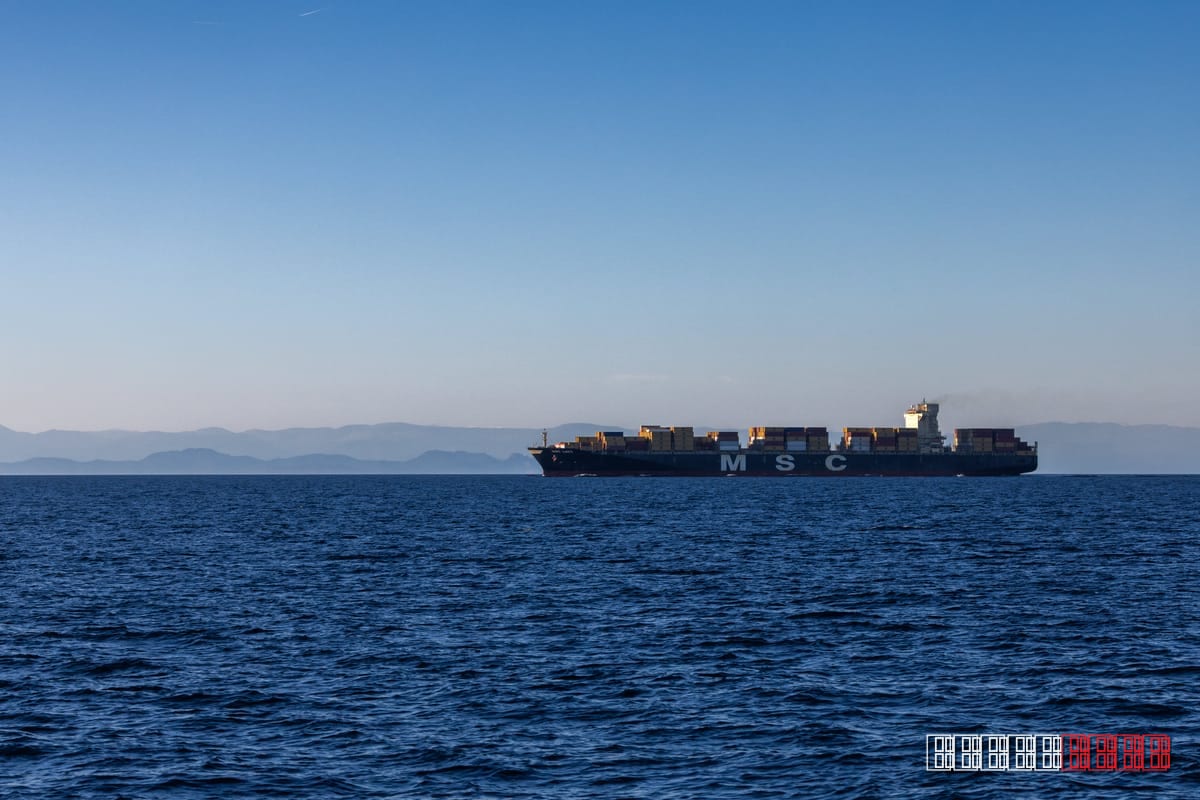
The ongoing dispute in the Strait of Hormuz is reshaping the outlook for the global shipping sector. CNBC highlighted that the bottleneck has pushed freight rates for oil‑carrying vessels to levels not seen in decades, turning a once‑overlooked segment of the market into a focal point for investors.
Major tanker operators have seen their earnings forecasts climb as charterers scramble for capacity amid heightened risk premiums. The surge has benefitted companies such as Euronav, Frontline and Teekay, whose shares have rallied sharply since the crisis began. According to CNBC, the combined market capitalization of the top five publicly listed tanker firms has more than doubled over the past six months, reflecting the steep premium investors are willing to pay for exposure to elevated freight earnings.
The spike in rates is tied directly to the strategic importance of the Hormuz Strait, through which roughly a fifth of the world’s oil supply passes. Any disruption—whether from Iranian threats to close the waterway or from broader regional instability—forces shippers to accept higher spot rates to guarantee delivery. This dynamic has translated into record‑breaking day‑rate figures for Very Large Crude Carriers (VLCCs) and Suezmax vessels, according to the industry data cited by CNBC.
Background context
Shipping is a highly cyclical industry, typically driven by global trade volumes and the balance between fleet supply and cargo demand. In recent years, a surplus of tankers kept freight rates muted, prompting many investors to overlook the sector. However, geopolitical flashpoints can abruptly reverse that trend, as seen in 2022 when tensions in the Middle East lifted rates temporarily. The current Hormuz standoff mirrors those past episodes, but the scale is larger because of tighter global oil inventories and heightened Chinese demand for crude, factors that amplify the impact of any supply‑chain choke point.
Analysts caution that the rally may be vulnerable to a de‑escalation of tensions or to a rapid increase in new tanker deliveries, which could absorb the premium. Nonetheless, the present environment has positioned shipping stocks at a pivotal juncture, where investors must weigh short‑term earnings windfalls against longer‑term fleet oversupply risks.
The broader market has taken note: several U.S. equity funds have added tanker exposure to their portfolios, betting that the Hormuz‑driven freight surge will sustain profitability through at least the next quarter. As the situation evolves, the sector’s performance will likely remain a barometer for geopolitical risk in the energy trade corridor.
This report is based on original reporting by CNBC. Read the original source →