How the post‑9/11 security agenda boosted Europe's far‑right
Twenty‑five years after the attacks, analysts say the war on terror has given extremist parties new legitimacy and electoral clout across the continent.
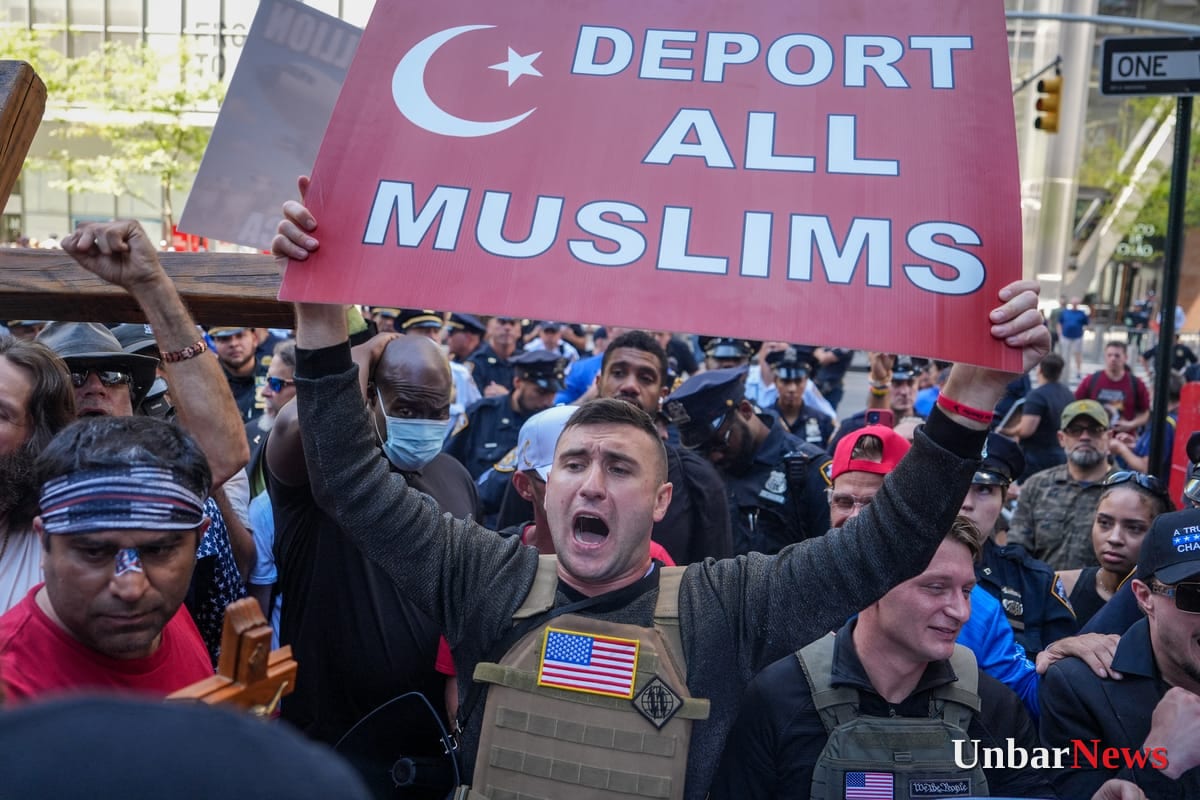
The 25th anniversary of the September 11 attacks has prompted renewed scrutiny of the policies that followed. According to Al Jazeera, the ensuing "war on terror" created an environment in which far‑right parties across Europe could frame Islam‑related issues as matters of national security, thereby widening their appeal (Al Jazeera). The narrative shift turned isolated xenophobic sentiment into a mainstream political platform, allowing groups from France's National Rally to Germany's AfD to secure parliamentary seats and, in some cases, join governing coalitions.
The security‑focused legislation introduced after 2001 – ranging from expanded surveillance powers to stricter border controls – was often presented as necessary to combat terrorism. Over time, these measures were repurposed by right‑wing politicians to argue for broader immigration restrictions, linking refugees and migrants to the perceived terrorist threat. This rhetorical strategy resonated with voters who felt uneasy about the influx of asylum seekers during the 2015‑2016 migrant crisis, a period when far‑right parties recorded historic vote shares.
A key factor behind this shift was the media’s amplified coverage of Islamist attacks, which, while statistically rare, received disproportionate attention. Al Jazeera notes that the constant spotlight on such incidents reinforced public fear and gave extremist parties a ready‑made talking point. In turn, mainstream parties often adopted tougher stances on security to avoid being labeled soft on terrorism, further normalising the far‑right’s agenda.
Historically, Europe’s post‑war political landscape was dominated by centrist parties committed to liberal democratic values. The war on terror disrupted that equilibrium by redefining security as a central electoral issue. Scholars observe that the pattern mirrors earlier periods when external threats – such as the Cold War – were used to justify the rise of nationalist movements. Today, the legacy of those policies continues to shape coalition negotiations, legislative priorities, and public discourse across the EU.
The implications extend beyond elections. As far‑right parties gain influence, they push for policies that can affect civil liberties, minority rights, and EU integration. Observers warn that the intertwining of security rhetoric with anti‑immigrant sentiment may erode the liberal consensus that has underpinned European stability since World War II. The 25‑year milestone thus serves as a reminder that counter‑terrorism strategies can have far‑reaching political consequences.
This report is based on original reporting by Al Jazeera. Read the original source →