Human chain encircles Washington’s Kennedy Center as protesters decry closure vote
Thousands gathered in a ‘Hands Around the Kennedy Center’ rally to oppose a board decision backed by former President Trump to shut the landmark arts venue.
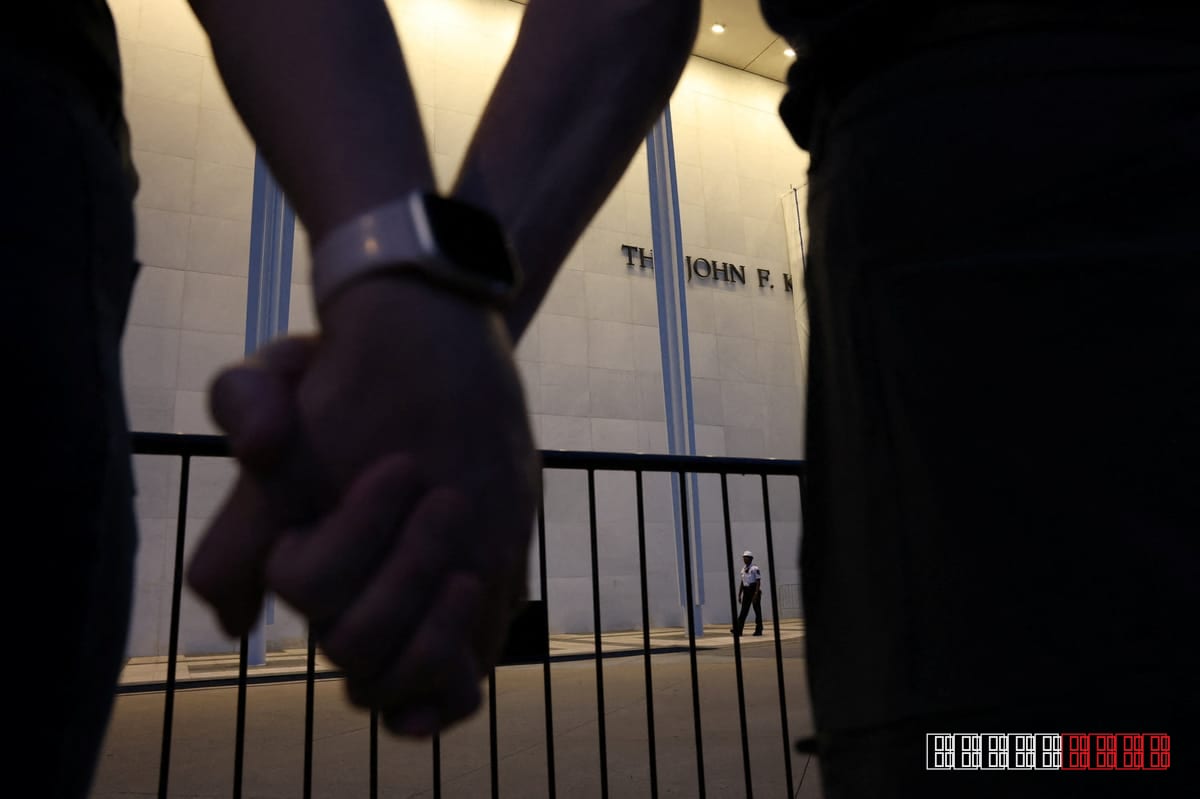
On September 19, demonstrators in Washington D.C. linked arms to form a human chain around the Kennedy Center, a visual protest that drew several thousand participants, Al Jazeera reported. Organisers called the gathering “Hands Around the Kennedy Center,” a symbolic gesture meant to show solidarity with the institution and to pressure officials after a board vote signaled plans to close the venue.
The vote that sparked the rally came from a governing board whose members were appointed during the Trump administration. According to Al Jazeera, the board—described as “Trump‑backed”—approved a proposal to cease operations at the Kennedy Center, citing financial constraints and a desire to reallocate resources. Critics argue the decision reflects a broader political push to curtail federal support for the arts.
Protesters stretched the chain for more than a half‑mile, chanting slogans and holding signs that read “Art is not expendable” and “Keep the Center open.” The event was organized by a coalition of artists, cultural workers, and advocacy groups who said the Kennedy Center is a “national treasure” that serves millions of visitors each year. By physically surrounding the building, they aimed to make the abstract debate over funding concrete and visible.
The John F. Kennedy Center for the Performing Arts, inaugurated in 1971, is the United States’ premier venue for theater, dance, music, and opera. It receives a substantial portion of its budget from the federal government, supplemented by private donations and ticket sales. Over the decades, the Center has hosted historic performances and served as a diplomatic stage for cultural exchange, making it a focal point for debates about public investment in the arts.
Funding for cultural institutions has become increasingly politicized in recent years. Prior to the recent vote, Congress and successive administrations have grappled with budget cuts that threaten programs ranging from community arts initiatives to major museums. The Kennedy Center has previously weathered proposals to reduce its federal allocation, but the current closure vote marks a more drastic step that could set a precedent for other institutions.
Activists say the protest is only the first phase of a larger campaign that will include legal challenges, lobbying efforts, and public awareness drives. They hope to force the board to reconsider the closure and to secure a stable funding stream that protects the Center’s operations for future generations. The outcome may influence how the United States balances cultural preservation with fiscal policy in the years ahead.
This report is based on original reporting by Al Jazeera. Read the original source →