Human‑rights flotilla sails toward Gaza to contest naval blockade
A coalition of NGOs and volunteers launches a sea convoy, seeking diplomatic guarantees for safety while challenging Israel's maritime siege of Gaza.
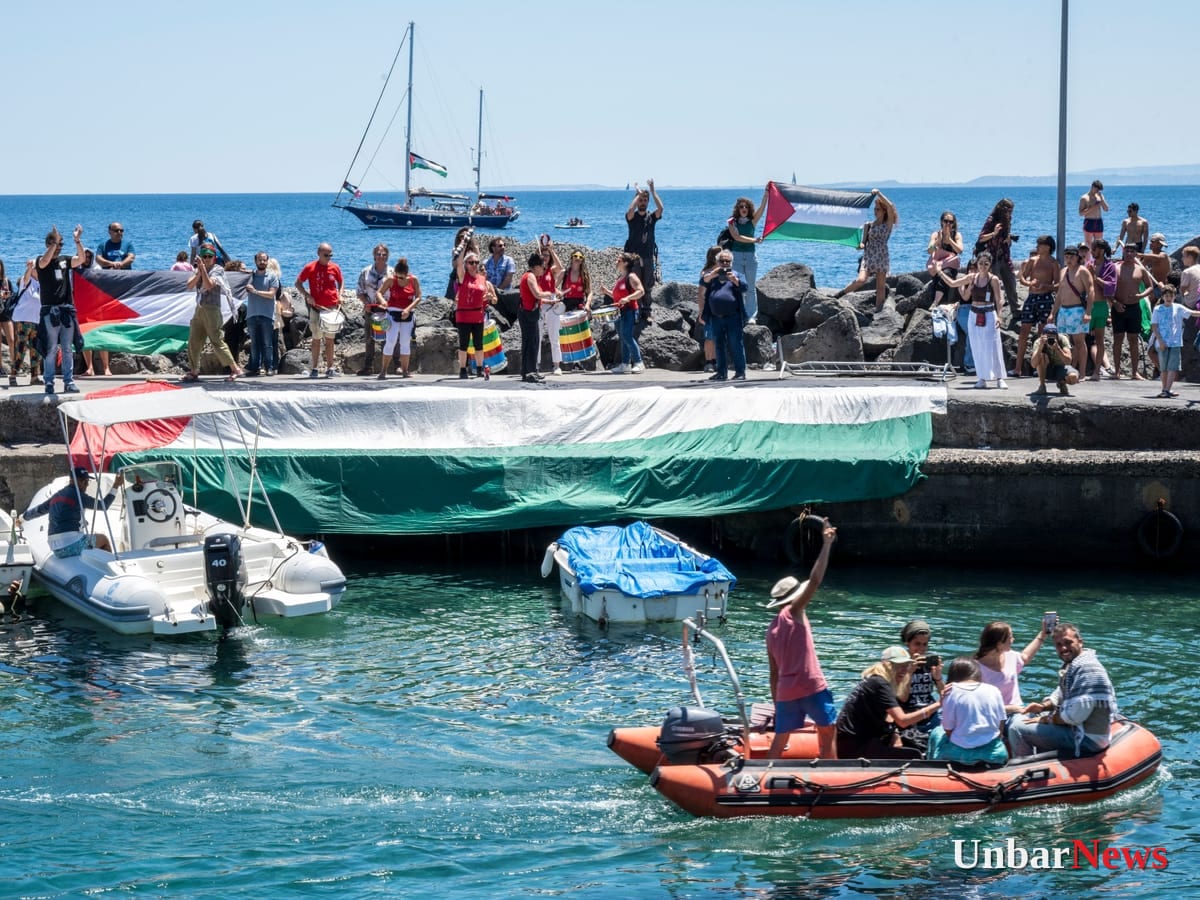
A new humanitarian flotilla left the Mediterranean on Monday, aiming to breach the naval blockade that Israel has imposed on the Gaza Strip since 2023. The convoy, organized by a coalition of human‑rights groups and civil‑society organisations, carries medical supplies, food and construction materials intended for the densely populated enclave. Al Jazeera reported that the fleet includes three vessels, two of which are registered in Cyprus and one in Turkey, and that more than 150 volunteers are aboard, many of them former aid workers.
The organizers say the mission is both a practical effort to deliver aid and a symbolic challenge to what they describe as a “deadly blockade” that has choked Gaza’s economy and health system. In a statement released before departure, the flotilla’s spokesperson urged the international community to provide diplomatic assurances that the ships would not be intercepted or attacked, calling for a “clear, enforceable guarantee of safety” from all parties.
Israel’s navy has warned that any attempt to breach the maritime perimeter will be met with force, citing security concerns and the need to prevent weapons smuggling. While the Israeli government has not confirmed a specific response to the current convoy, previous incidents—most notably the 2010 Mavi Marmara raid—have resulted in violent clashes and the loss of lives. Al Jazeera noted that Israeli officials reiterated the blockade’s legality under international law, arguing it is a necessary measure in the context of ongoing hostilities.
The flotilla’s departure comes amid renewed calls from human‑rights advocates for a diplomatic route to end the siege. They argue that sustained restrictions on sea, air and land have contributed to a humanitarian crisis, with shortages of clean water, electricity and essential medicines. The United Nations has repeatedly urged the parties to lift the blockade, but political stalemate and security concerns have stalled progress.
Historically, attempts to break the Gaza blockade have been fraught with tension. The 2010 Turkish‑led flotilla, which sought to deliver aid, ended in a deadly confrontation that strained Turkey‑Israel relations and sparked worldwide protests. Subsequent missions have been smaller and more cautious, often focusing on legal challenges rather than direct confrontation. The current convoy’s emphasis on securing diplomatic guarantees reflects a shift toward leveraging international pressure, hoping to avoid the violent outcomes of earlier efforts.
If the flotilla reaches Gaza, it could provide a modest but vital infusion of supplies to civilians while also testing the limits of Israel’s maritime enforcement. Observers say the mission’s real impact may lie in the political spotlight it shines on the blockade, potentially prompting renewed negotiations at the UN or among regional powers. The world will be watching how both sides navigate the delicate balance between security imperatives and humanitarian obligations.
This report is based on original reporting by Al Jazeera. Read the original source →