IIT Bombay faculty charged in caste‑related harassment and suicide case
A second‑year engineering student was found dead, prompting police to book a professor for alleged caste abuse and abetment of suicide, The Hindu reports.
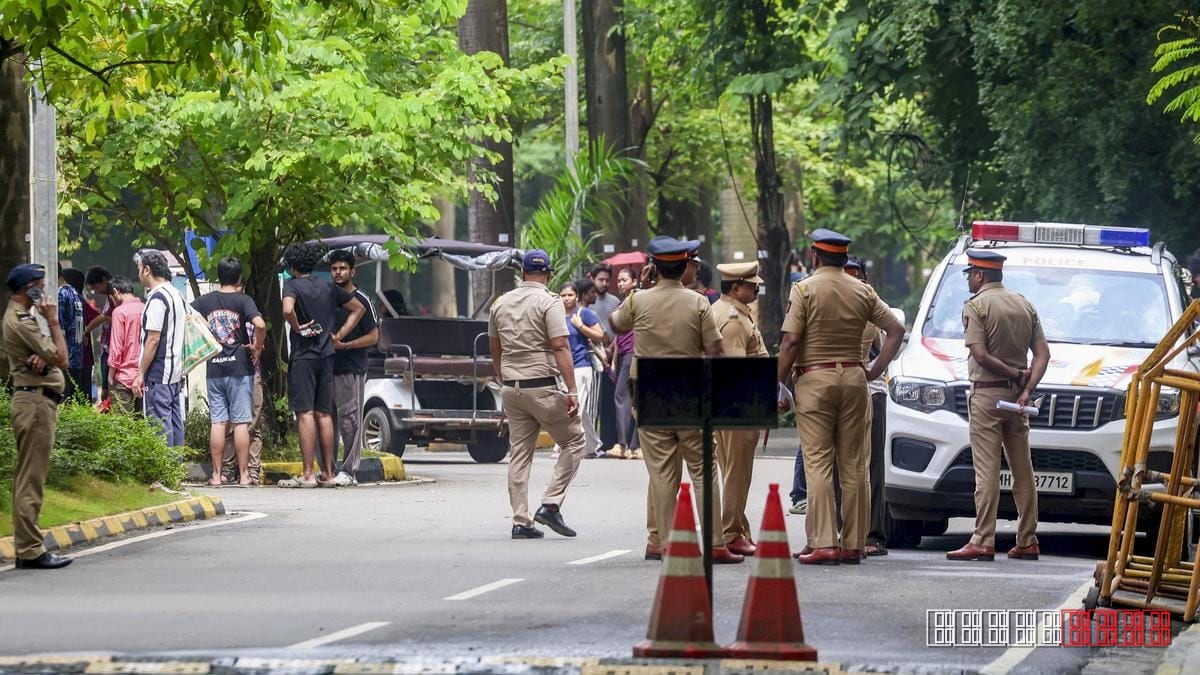
A second‑year BTech Energy Science student, Sahil Wakode, was discovered dead in his hostel on September 18, leading police to open a criminal investigation. According to The Hindu, authorities have filed a charge sheet against a faculty member of the Indian Institute of Technology Bombay, alleging that the professor used caste‑based slurs and encouraged the student to take his own life.
The police FIR cites sections of the Indian Penal Code and the Scheduled Castes and Scheduled Tribes (Prevention of Atrocities) Act, indicating that the alleged abuse was not only verbal but also constituted a criminal attempt to drive the student to suicide. The faculty member has been taken into custody and is currently being held for further questioning, while the institute has placed the case under internal review.
IIT Bombay’s administration issued a brief statement confirming cooperation with law‑enforcement agencies and promised a "prompt and transparent" inquiry. Student representatives have called for an independent probe, expressing concern that caste‑based discrimination remains a latent threat in elite academic environments. Protests were staged outside the campus gate, with participants demanding stricter enforcement of anti‑discrimination policies.
Caste discrimination in Indian higher education has periodically surfaced in the media, with several high‑profile incidents prompting nationwide debate. The 2018 suicide of a Dalit student at a different university, for example, sparked protests that led to stricter monitoring of campus harassment. Under the 1989 Prevention of Atrocities Act, any act that humiliates a person on the basis of caste can attract severe penalties, including imprisonment. Yet enforcement often hinges on the willingness of institutions to report and investigate complaints promptly.
The current case underscores the challenges faced by students from historically marginalized communities in navigating elite institutions. Legal experts note that the outcome of the investigation could set a precedent for how caste‑related harassment is addressed in premier technical institutes. Meanwhile, the IIT community awaits further details as the investigation proceeds, and advocacy groups are urging policymakers to strengthen safeguards against caste‑based violence on campuses.
This report is based on original reporting by The Hindu. Read the original source →