Imran Khan Returns to Custody Following Court‑Ordered Medical Check
The former Pakistani prime minister was taken back to prison after a court mandated a hospital examination, reigniting legal and political tensions.
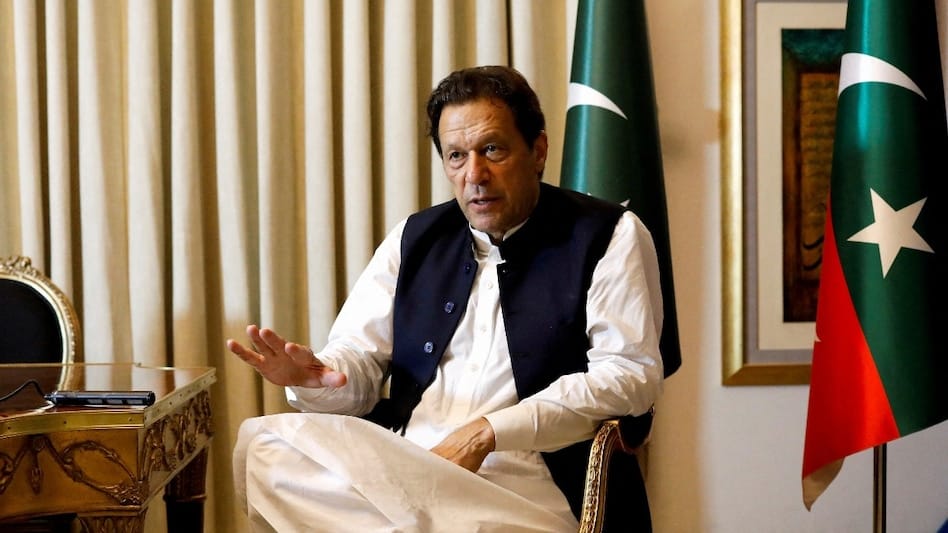
Imran Khan, the former prime minister of Pakistan, was escorted back to jail on Thursday after complying with a court order that required him to undergo a medical examination. The move follows a recent ruling by a Lahore court that mandated the health check, a step the authorities say was necessary to assess his fitness for detention.
Khan, who has been serving a sentence stemming from a contempt of court conviction, was briefly transferred to a hospital earlier in the week. Officials confirmed that after the examination was completed, he was returned to the same facility where he has been held since his conviction was upheld. The brief hospital stay did not alter his custodial status, and he remains behind bars while his legal team continues to pursue appeals.
The case has remained a flashpoint in Pakistan’s volatile political landscape. Supporters of Khan argue that the legal proceedings are politically motivated, while critics maintain that the judiciary is enforcing the rule of law. The former prime minister’s detention has sparked protests and rallies across the country, with his party, Pakistan Tehreek-e-Insaf (PTI), calling for his release and demanding what they describe as a fair trial.
International observers have noted the broader implications of Khan’s imprisonment for Pakistan’s democratic institutions. The situation underscores the ongoing struggle between the nation’s political factions and its judicial system, a dynamic that continues to shape public discourse and influence the country’s stability. As the legal battle proceeds, the eyes of both domestic and foreign analysts remain fixed on how the case will evolve and what it means for the future of Pakistani politics.