India launches its first LNG-powered train as Shah hails Modi's rail reforms
Home Minister Amit Shah inaugurated the country's inaugural LNG locomotive, linking it to the goal of ending diesel use on Indian Railways by 2030.
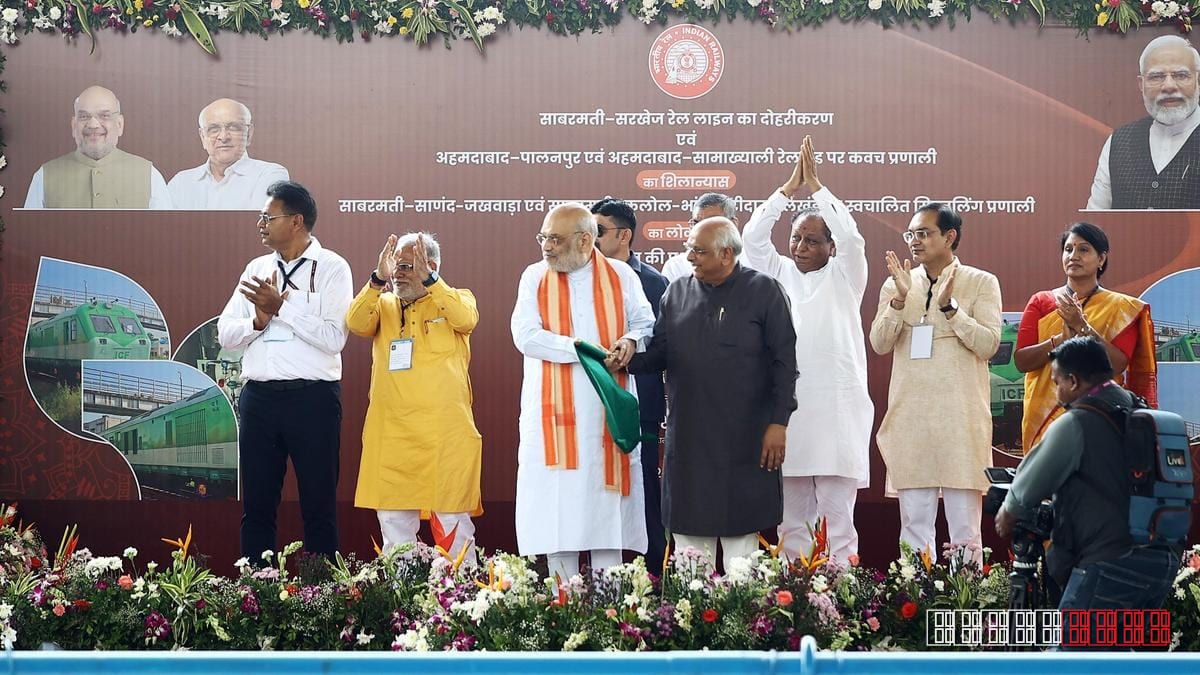
Home Minister Amit Shah officially flagged off India’s first liquefied natural gas (LNG)‑powered train on Thursday, describing the event as a turning point for the nation’s rail network.
Speaking at the ceremony, Shah said the new locomotive is a concrete step toward the government's pledge to eliminate diesel consumption on railways by 2030. He reminded the audience that the railways burned 293 crore litres of diesel in the 2015‑16 financial year, a figure that the administration aims to bring down to zero within the next decade (The Hindu).
The minister also used the platform to commend Prime Minister Narendra Modi, asserting that his leadership has transformed the rail sector. In contrast, Shah warned that the opposition Congress party is “known for scams,” a remark that echoed the ruling party’s broader political narrative (The Hindu).
While details of the train’s technical specifications were not disclosed, officials indicated that the LNG locomotive will initially operate on a high‑traffic route, serving as a pilot for wider adoption. The shift to natural‑gas propulsion is expected to cut greenhouse‑gas emissions and lower operating costs compared with traditional diesel engines.
Indian Railways is among the world’s largest diesel users, and the push toward cleaner fuels aligns with the country’s climate commitments, including a target of net‑zero emissions by 2070. Over the past decade, the railways have accelerated electrification, adding more than 20,000 km of electric track. The LNG initiative adds another layer to this decarbonisation strategy, offering an interim solution where full electrification remains challenging.
Looking ahead, the Ministry of Railways plans to expand the LNG fleet, with proposals for dozens of similar units in the coming years. If successful, the program could reduce the sector’s reliance on imported diesel, bolster energy security, and set a precedent for other large‑scale public‑transport systems in the region.
This report is based on original reporting by The Hindu. Read the original source →