India's cabinet greenlights eight multi‑track rail upgrades worth ₹20,804 crore
The government approved a suite of eight railway expansion projects to add new lines and double existing tracks across key corridors.
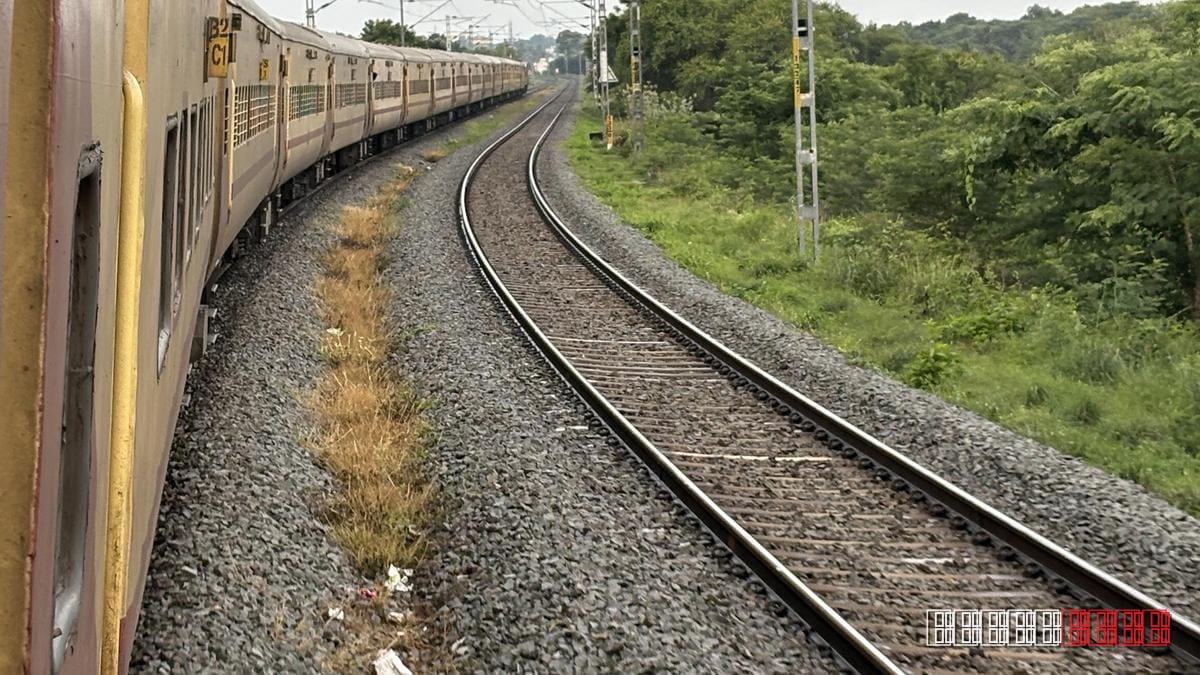
New Delhi’s cabinet has given the go‑ahead to eight multi‑tracking initiatives that together will cost roughly ₹20,804 crore, according to The Hindu. The package includes the construction of third and fourth lines on the 77‑kilometre Arakkonam‑Renigunta stretch, a similar pair of tracks on the 47‑kilometre Whitefield‑Bangarapet corridor, and a 147‑kilometre doubling of the Hosur‑Omalur line, among other projects.
The approved schemes are part of a broader effort to de‑congest some of the busiest sections of the Indian Railways network. By adding parallel tracks, the railways can run more trains simultaneously, cut delays, and separate slower freight movements from faster passenger services. The projects are slated to be executed over the next five years, with funding drawn from the central budget and expected to generate significant employment in construction and engineering sectors.
Background: India’s rail system carries over 23 million passengers daily and moves a substantial share of the nation’s freight. However, many routes operate near capacity, leading to chronic bottlenecks, especially in the south where industrial corridors are expanding. The National Rail Plan, released in 2021, set a target of increasing track mileage by 30 % by 2030, emphasizing multi‑tracking as a cost‑effective way to boost capacity without building entirely new routes. Earlier this decade, the government launched similar projects on the Delhi‑Mumbai and Chennai‑Bangalore corridors, which have already shown reductions in travel time and improved punctuality.
The inclusion of the Whitefield‑Bangarapet and Arakkonam‑Renigunta lines reflects a focus on the southern region’s growing logistics demand. Both corridors link major manufacturing hubs and ports, and the added tracks are expected to facilitate smoother movement of goods to and from the Chennai and Bangalore ports. Meanwhile, the Hosur‑Omalur doubling will enhance connectivity in Tamil Nadu’s interior, supporting regional passenger services and providing a more reliable link for commuters.
If the projects stay on schedule, the expanded network could shave several minutes off long‑distance journeys and enable more frequent train services, benefitting daily commuters, long‑haul travelers, and freight operators alike. The cabinet’s approval signals continued political backing for rail infrastructure as a catalyst for economic growth and a greener transport alternative.
The Hindu reported that the total outlay of ₹20,804 crore underscores the scale of the investment and the government’s commitment to modernising the nation’s rail backbone.
This report is based on original reporting by The Hindu. Read the original source →