India's Feminist Movement Thrives Without a Single Icon, Says The Hindu
A five‑decade‑old, decentralized collective of Indian women continues to reshape activism across the country.
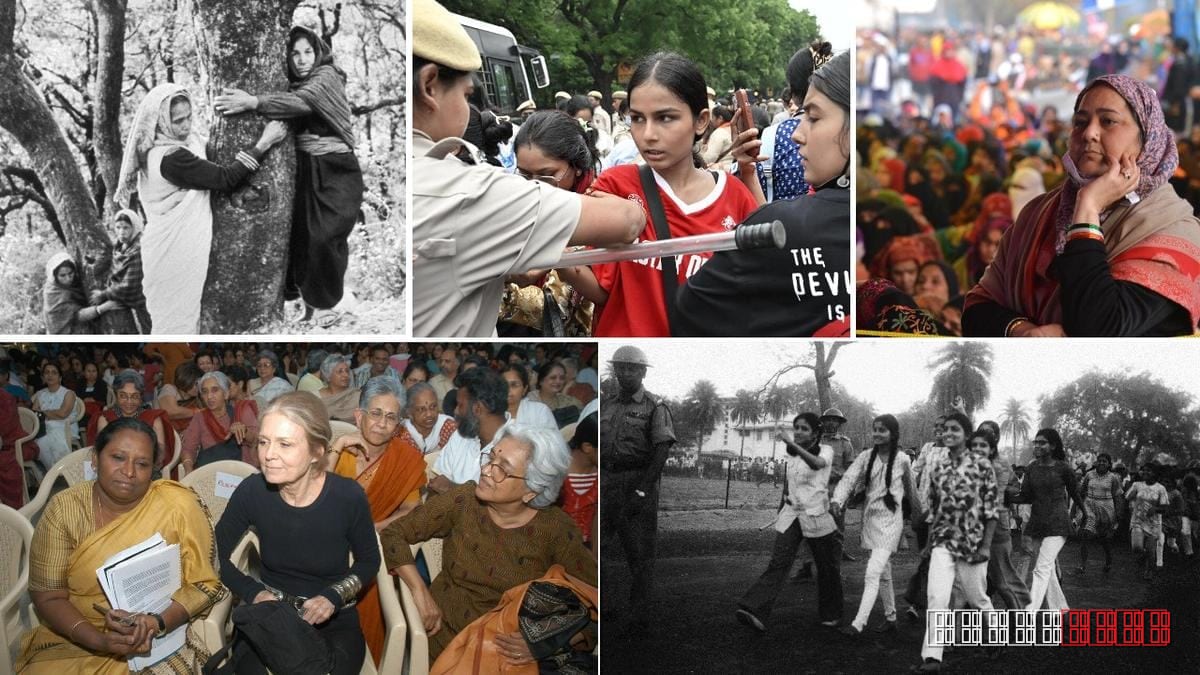
Indian women have been forging a feminist movement for more than fifty years without rallying around a single leader, The Hindu reports. The article notes that this sprawling, ever‑changing collective may be its most powerful asset, allowing the cause to adapt to new challenges and voices.
The roots of organized feminism in India stretch back to the early 1970s, when university campuses and urban NGOs began forming women’s groups that tackled issues ranging from dowry violence to workplace discrimination. Those early collectives laid the groundwork for a networked approach, preferring consensus‑building over charismatic leadership.
Through the 1990s and early 2000s, the movement expanded its reach into rural areas, confronting entrenched patriarchal practices with grassroots campaigns. High‑profile incidents—such as the 2012 Nirbhaya case—sparked nationwide protests, yet the response remained a chorus of organizations rather than a single spokesperson. More recently, the #MeToo wave and digital activism have further diversified the movement, with social media platforms amplifying voices from students to survivors across the subcontinent.
Today, the Indian feminist landscape is marked by a mosaic of initiatives: legal aid clinics, street‑theatre groups, online forums, and intersectional alliances that link gender justice with caste, class, and environmental concerns. This multiplicity enables rapid mobilisation around varied issues, from safety in public spaces to reproductive rights, without being tethered to any one personality.
Analysts argue that the absence of a singular figurehead, while sometimes cited as a weakness, actually reinforces resilience. Decentralisation prevents the movement from being vulnerable to co‑optation or backlash aimed at a lone leader, and it encourages continuous renewal as new generations bring fresh perspectives. As The Hindu observes, the collective’s strength lies in its ability to reinvent itself while staying rooted in a shared commitment to gender equity.
The trajectory of Indian feminism illustrates how a nation‑wide, leader‑less network can sustain momentum over decades, shaping policy, public discourse, and cultural attitudes toward women’s rights.
This report is based on original reporting by The Hindu. Read the original source →